



























































































































































































Introducing a new puppy to your current dog is often an exciting process, and many dogs will become fast friends and eas...
Read MoreAdopt Me

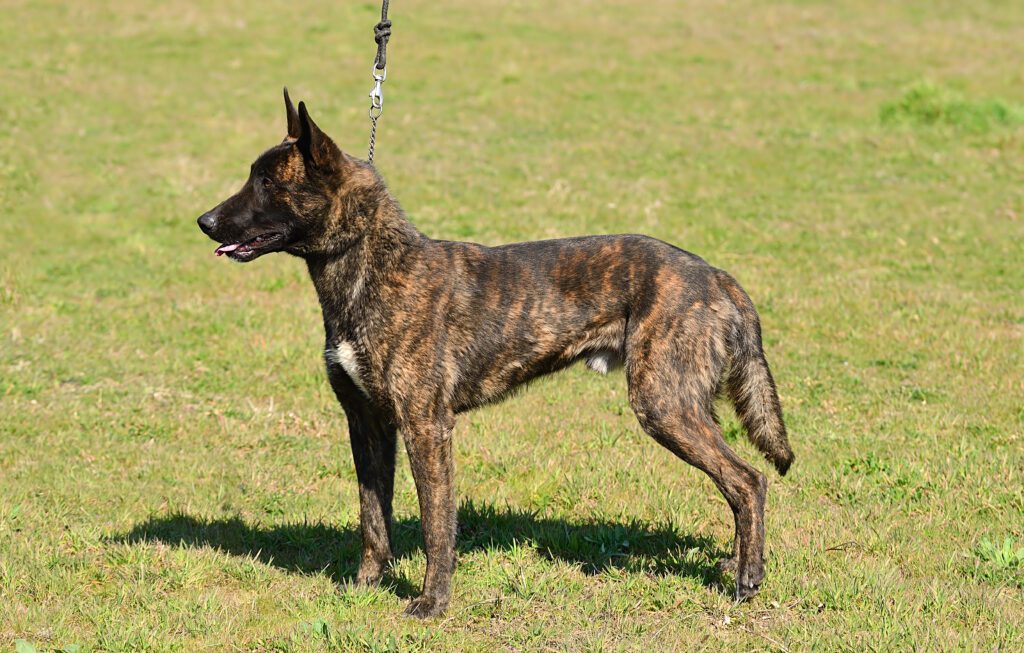


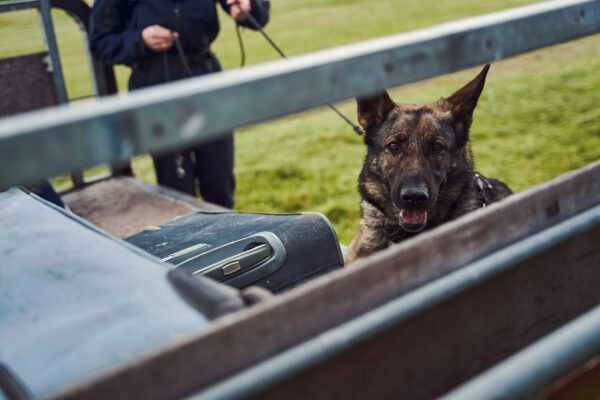
The Dutch Shepherd is a bright, athletic, and affectionate herding dog that bonds closely with its family. This breed thrives on having a job, learns quickly, and loves to stay active. A Dutch Shepherd suits adopters who want a loyal partner for hiking, jogging, dog sports, and daily training games.
Research is essential before you adopt a Dutch Shepherd in Massachusetts. This breed needs meaningful exercise, mental work, and consistent training every day. Adoption gives a deserving dog a second chance and helps animal welfare groups focus resources on care and rehabilitation rather than long-term housing. Buying can encourage impulse decisions, while adoption encourages thoughtful matches supported by counseling and post-adoption guidance.
Massachusetts offers four true seasons, and a Dutch Shepherd’s weather-resistant coat handles cold and snow with proper care. Winter road salt can irritate paws, so you should rinse and protect them after walks. Summers can feel hot and humid, so you should plan shaded breaks and carry water. From coastal walks to inland trails, the state offers many outlets for structured exercise. Urban living can work when you commit to daily training, purposeful play, and frequent enrichment.
You can skip searching separate rescues and shelters by starting with Dog Academy. You can browse current adoption listings in one place, filter by location and traits, and access educational guides and adoption checklists that help you compare dogs and prepare your home.
Adoptable Dutch Shepherds in Massachusetts are found through local animal shelters, regional rescues, breed-specific rescue groups, and foster-based networks. Availability changes week to week because many dogs arrive from within New England and from other regions. When a good match is located in another area, rescues may arrange transport to move dogs between locations so that each dog reaches an appropriate home.
The process usually begins by browsing listings and reading full biographies. You should ask about energy level, social history, medical needs, and current training. Most groups require an application with identification, proof of housing stability, landlord permission for renters, and personal or veterinary references. Processing time depends on volunteer capacity and your responsiveness to emails and calls.
Next come meet-and-greets and a home check. A meet-and-greet allows you to assess temperament, handling, and compatibility with all family members, including resident pets. A home check confirms safety, such as secure exits, sensible storage of chemicals, and a plan for exercise and enrichment. Some groups complete this step virtually, while others visit in person. Approval can take 1 to 3 weeks, though timing can be faster if you complete paperwork promptly and schedule meetings quickly.

|
How Much Does It Cost to Adopt a Dutch Shepherd in Massachusetts?In Massachusetts, a realistic adoption fee for a Dutch Shepherd usually ranges from $350 to $650. Puppies and young adults often sit at the higher end due to demand and preventive care, while mature dogs may be closer to the middle of the range. Costs reflect medical care completed before placement, regional veterinary prices, and any training provided while in foster care. Fees typically include spaying or neutering, vaccinations, microchipping, and veterinary exams. Some groups also provide heartworm testing and deworming. If transport is needed, you may see an added transport fee to help cover moving the dog safely between locations. Budget for starter supplies, such as a crate, leash and harness, food, and a training program tailored to a high-drive working breed. |
How Should I Train a Dutch Shepherd?The Dutch Shepherd is highly intelligent and responds quickly to clear structure and positive reinforcement. Short, focused sessions build strong habits without creating frustration. Reward calm choices, mark precise behaviors, and end on a success so your dog stays engaged. Early socialization to people, places, sounds, and surfaces helps channel natural alertness into confident behavior. Common challenges include high prey drive, herding tendencies, mouthy play, and restlessness if exercise is limited. Daily enrichment reduces these issues. Rotate food puzzles, scent games, and trick training to keep your dog thinking. Build reliable cues for recall, loose-leash walking, and settling on a mat. Avoid harsh corrections, which can create conflict and confusion in sensitive working dogs. If you want structured guidance, explore Dog Academy’s online training courses for step-by-step lessons in obedience, impulse control, leash skills, and canine sports that suit a Dutch Shepherd’s drive. |
|
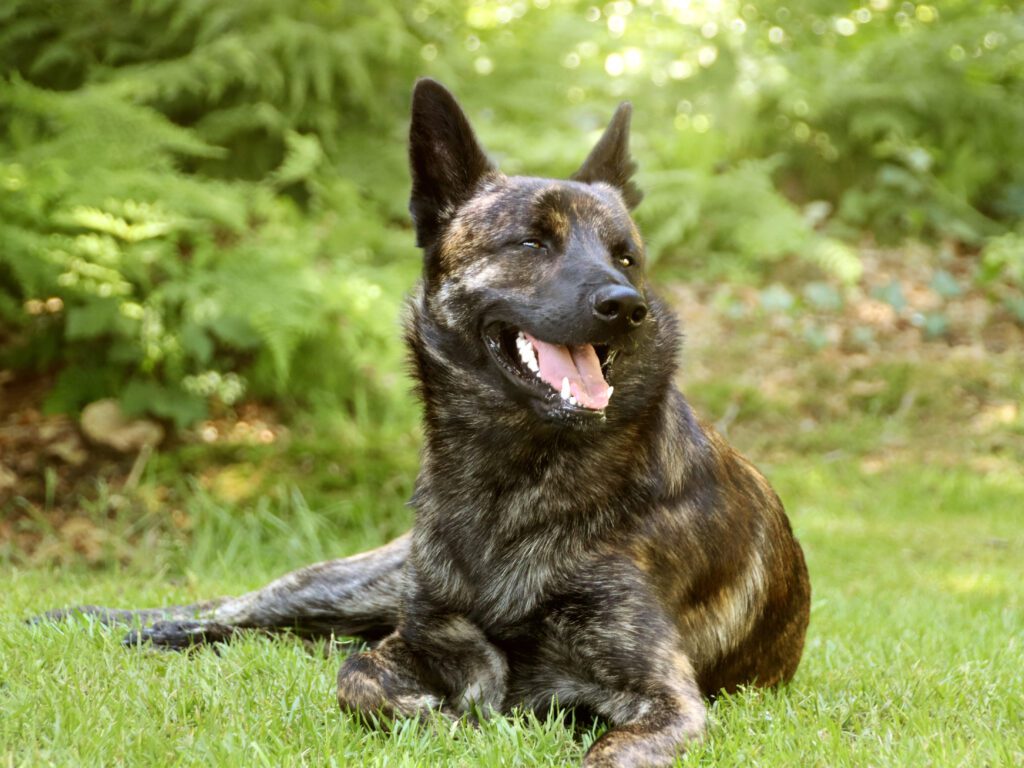
The ideal adopter enjoys an active lifestyle, values daily training, and has a clear plan for mental enrichment. A yard can help, but a Dutch Shepherd can thrive in any home that delivers consistent exercise, structure, and engagement. Preparation matters, so set a schedule, choose training goals, and line up a veterinarian before adoption day.
Take your time, ask detailed questions, and wait for the right match. With patience and preparation, you can adopt a Dutch Shepherd in Massachusetts that fits your routine and becomes a devoted companion for years to come.

Introducing a new puppy to your current dog is often an exciting process, and many dogs will become fast friends and eas...
Read More
Rescue dogs can make great companions and can transform your home into something better. These dogs make great pets and ...
Read More
You should never rush to pet a dog. Even dog owners make the mistake of approaching unfamiliar dogs and petting them rig...
Read More
Puppy mill dogs are survivors who have endured extreme hardships in their lives. They have grown up in horrendous, unsan...
Read More
With their wagging tails and comforting presence, adopting a dog can add a unique touch to your life. It’s a heart...
Read More
Older dogs may have a few gray hairs around the edges, but that doesn’t mean they can’t make wonderful companions! T...
Read More