
























































































































































































Introducing a new puppy to your current dog is often an exciting process, and many dogs will become fast friends and eas...
Read MoreAdopt Me

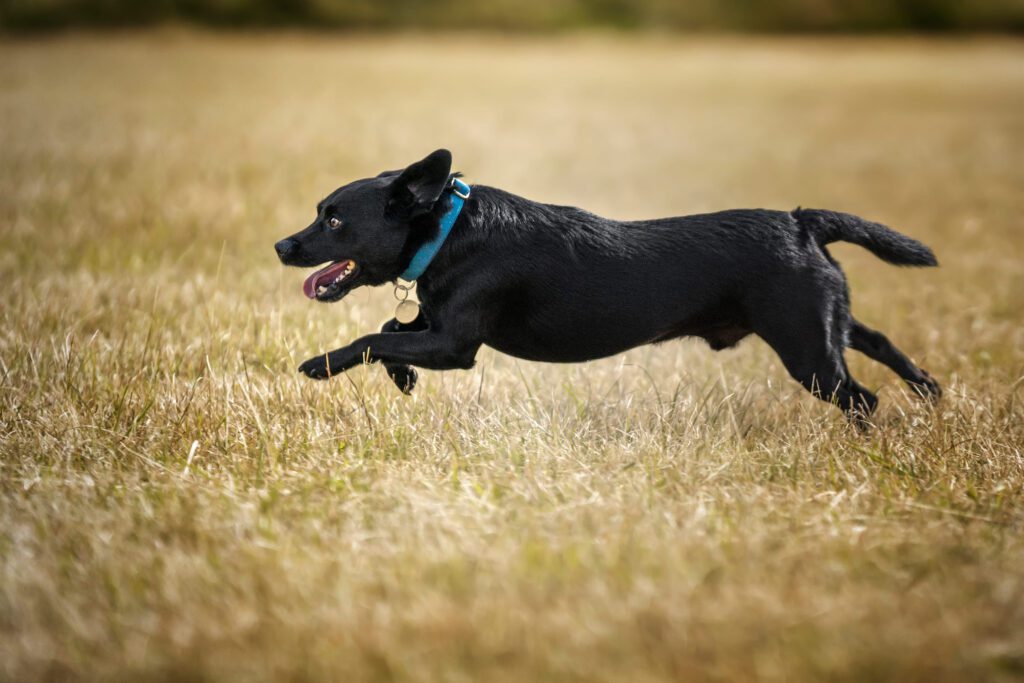


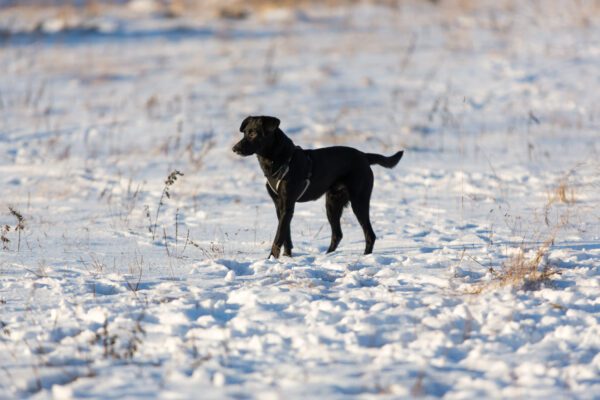
Patterdale Terriers are small, athletic, and driven. The breed is confident, alert, and loyal to family. A Patterdale Terrier thrives with daily exercise, steady structure, and clear boundaries. The breed brings big personality in a compact body, which makes the dog appealing to active people who want a smart companion that loves adventure.
Research matters before you adopt a Patterdale Terrier. The breed has a strong prey drive, quick instincts, and impressive endurance. Thoughtful preparation sets you and your dog up for success. Adoption is a responsible choice because it opens a space for another dog in need and provides a second chance to a deserving companion. Adoption also shares a detailed history, medical records, and behavior notes, which helps you make a sound decision.
Connecticut suits this breed when you plan for climate and lifestyle. Winters bring cold, ice, and snow, so a warm coat, paw protection, and shorter outings on frigid days keep your dog comfortable. Summers are humid, so you should schedule exercise during cool mornings and evenings. The state’s coastal towns, wooded trails, and suburban neighborhoods provide great enrichment, as long as you use a secure leash and a fenced yard to manage that determined terrier nose and digging habit.
You can avoid searching individual shelters and rescues one by one by browsing listings through Dog Academy. The platform gathers adoptable dogs in one place, which saves time and helps you compare options. You can also use Dog Academy resources to review adoption checklists and educational guides that explain breed needs, home preparation, and first week plans.
Start by checking local animal shelters, regional rescues, and breed-specific rescue groups. Many groups post detailed profiles that include age, temperament notes, medical history, and training status. Read every profile carefully. Patterdale Terriers often excel with active adopters who enjoy hiking, scent games, and structured play. If a dog lives out of the area, ask about remote introductions and videos that show daily behavior.
Most organizations use a similar process. You browse listings, submit an application, and provide references. You confirm landlord permission if you rent and you share veterinary records for current pets. After an application review, you schedule a meet-and-greet to assess fit with all family members and resident animals. Some groups conduct a home check, which may be virtual or in person, to confirm safe fencing, secure storage for food and medications, and a plan for exercise and enrichment. Approval timelines often range from 1 to 3 weeks, based on volunteer availability and the number of applicants.
Transport can expand your options when a dog is located in another county or state. Rescues sometimes arrange transport using volunteer drivers or licensed carriers that follow safety protocols. Transport typically involves a health certificate, a travel crate, and scheduled handoffs, and it may add a modest fee to the adoption total. Ask for a written outline of costs, timelines, and arrival logistics so you can prepare your home and your schedule.

|
How Much Does It Cost to Adopt a Patterdale Terrier in Connecticut?Most adopters in Connecticut pay around $350 to $500 to adopt a Patterdale Terrier. Fees vary with age, medical history, training, and demand. Puppies often cost more due to higher demand and early veterinary care. Adults and seniors may cost less, especially if they have already completed key procedures and training basics. The fee usually covers spaying or neutering, vaccinations, microchipping, and veterinary exams. It may also include deworming, heartworm testing, and dental care. Dogs that receive extra medical treatment or professional behavior support may carry a higher fee to offset those costs. If transport is arranged, expect an additional charge that reflects fuel, staffing, and required health documentation. |
How Should I Train a Patterdale Terrier?Patterdale Terriers are intelligent and energetic, which means they learn fast and test boundaries. The breed’s prey drive can make recall and off-leash reliability difficult. You can build success with positive reinforcement, clear rules, and daily mental work. Short sessions with high-value rewards keep focus strong, while calm breaks prevent overstimulation. Start with foundation skills such as name recognition, hand target, loose-leash walking, and come when called with a long line. Add impulse control games that practice sit, wait, and leave it around mild distractions, then increase difficulty over time. Provide enrichment through sniff walks, food puzzles, and dig boxes to channel natural behaviors in a safe way. For step-by-step guidance that fits busy schedules, explore Dog Academy’s online training courses, which cover puppy basics, adolescent manners, and advanced skills tailored to energetic breeds. |
|
The ideal adopter enjoys daily activity, consistent routines, and structured play. A Patterdale Terrier does best with someone who values training, uses secure management like fences and leashes, and provides patience during the adjustment period. Families with young children can succeed when they supervise interactions, teach gentle handling, and maintain predictable schedules.
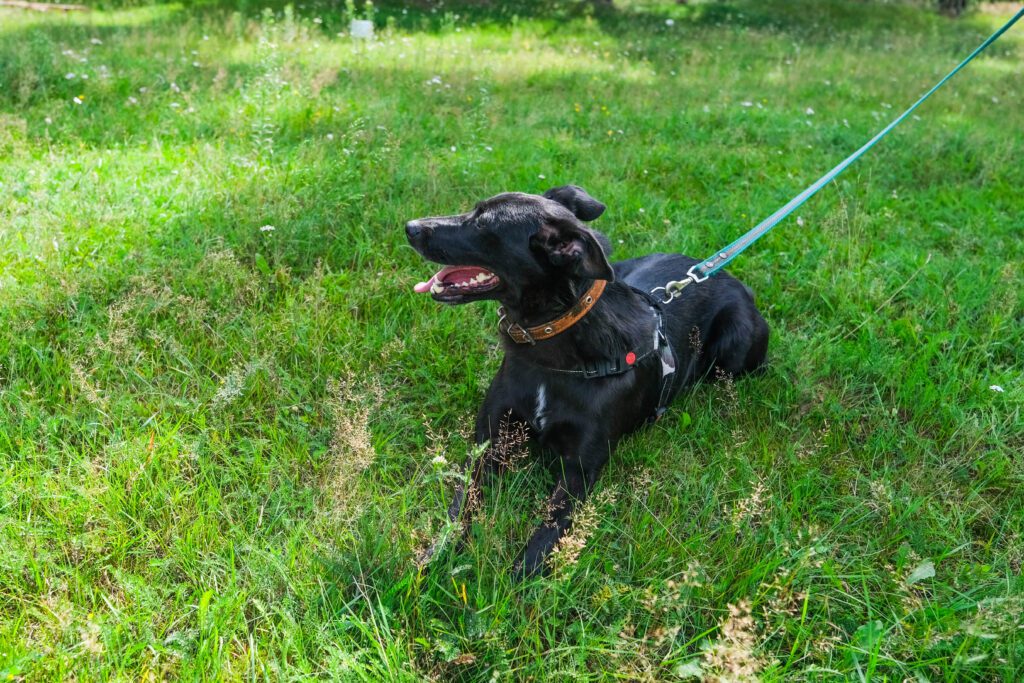
Preparation leads to a smoother transition. Set up a crate, choose a harness and long line, and plan a gradual introduction to new spaces. Take your time, ask thoughtful questions, and trust the process. When you are ready, browse available dogs through Dog Academy, learn what each profile needs, and move forward when the fit feels right. A well-matched Patterdale Terrier in Connecticut can bring years of adventure, laughter, and loyal companionship.

Introducing a new puppy to your current dog is often an exciting process, and many dogs will become fast friends and eas...
Read More
Rescue dogs can make great companions and can transform your home into something better. These dogs make great pets and ...
Read More
You should never rush to pet a dog. Even dog owners make the mistake of approaching unfamiliar dogs and petting them rig...
Read More
Puppy mill dogs are survivors who have endured extreme hardships in their lives. They have grown up in horrendous, unsan...
Read More
With their wagging tails and comforting presence, adopting a dog can add a unique touch to your life. It’s a heart...
Read More
Older dogs may have a few gray hairs around the edges, but that doesn’t mean they can’t make wonderful companions! T...
Read More