



























































































































































































Introducing a new puppy to your current dog is often an exciting process, and many dogs will become fast friends and eas...
Read MoreAdopt Me

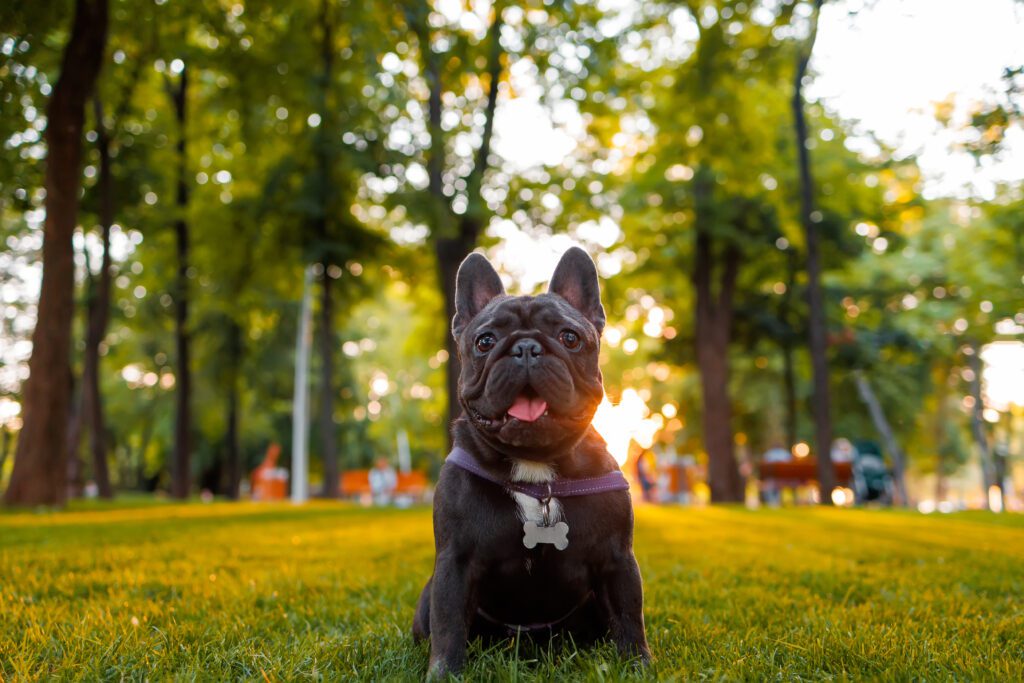


A Blue French Bulldog is compact, affectionate, and full of charm. The breed is people focused, easygoing, and happy to relax at home after short walks. The blue coat adds a striking look, while the classic French Bulldog personality remains playful and loyal. Careful research matters because color should never outweigh health, temperament, and fit for your lifestyle.
Adoption gives a dog a second chance and helps you avoid the high prices and risks that come with buying. Many adoptable French Bulldogs already have basic vet care and some have training. When you adopt a Blue French Bulldog in Connecticut, you support ethical rehoming and you make room for another dog in need.
Connecticut suits this breed when you plan around climate and terrain. Summers are humid and winters are cold, and a brachycephalic dog struggles with temperature extremes. Short walks during cool hours in summer and warm indoor time in winter keep a Frenchie comfortable. The state’s mix of coastal towns and suburban neighborhoods works well for a small companion dog that thrives in apartments and condos. Quiet streets, local walking paths, and manageable yard spaces fit the breed’s moderate exercise needs.
You can skip the hassle of searching rescues and shelters one by one by using Dog Academy to browse current adoption listings. Dog Academy also offers educational guides and adoption checklists that help you prepare. You can search by location, see photos and bios, and learn about each dog’s needs. You can also check local animal shelters, regional rescues, and breed-specific rescue groups that operate throughout New England.
Start by reviewing listings and reading each profile in full. Look for details about age, activity level, medical history, and social preferences. Make sure you understand Blue French Bulldog needs, including careful temperature management, gentle exercise, and regular skin and ear care. Some blue-coated dogs are prone to coat and skin sensitivity, so ask about prior dermatology treatment and routine maintenance.
Most organizations use a structured process. You submit an application with personal information, references, and proof of housing approval when required. A coordinator reviews your application and schedules a phone interview to discuss your experience and daily routine. Meet-and-greets follow, which allow you to interact with the dog at the facility or in a foster home. Many groups also perform home checks, which can be virtual or in person, to confirm that your space is safe and set up with secure entry points, a crate or bed, and food and water stations. Timelines vary by group and by dog, but approvals in Connecticut often take 1 to 3 weeks from application to adoption.
If your perfect match is outside your immediate area, ask about transport. Rescues often arrange transport to move dogs between locations using volunteer drivers or licensed carriers. Transport teams coordinate schedules, confirm safe handoffs, and secure health certificates when required by state law. You usually pick up your dog at a set meeting point once transport is complete.
|
How Much Does It Cost to Adopt a Blue French Bulldog in Connecticut?In Connecticut, the typical adoption fee for a Blue French Bulldog ranges from $500 to $900. The final fee depends on age, demand for the breed, medical history, and the training a dog has already received. Puppies and young adults with high demand often fall on the higher end of the range, while seniors or dogs with ongoing medical needs may cost less. Rescues invest significant resources before placement, which affects price. Fees often include spaying or neutering, vaccinations, microchipping, and veterinary exams. Many dogs also receive dental cleanings, bloodwork, and treatment for skin or ear issues. Some organizations provide initial training and behavior support, which can increase costs but helps your new dog settle in faster. |
How Should I Train a Blue French Bulldog?Blue French Bulldogs are smart, food motivated, and eager to connect with people. They learn best with short, upbeat sessions that use praise, treats, and play. Keep training gentle and consistent, and reward every correct choice. Positive reinforcement builds confidence and helps a sensitive dog focus. Common challenges include house training, leash pulling, and stubborn pauses. Break tasks into small steps and end every session on a win. Use a front-clip harness to protect the neck and reduce pressure on the airway. Limit strenuous activity due to the breed’s short muzzle, and train in cool, well ventilated spaces. Early socialization with friendly dogs and calm people supports polite manners and reduces anxiety. For structured guidance, enroll in Dog Academy’s online training courses. Step-by-step lessons cover foundation skills, house training, polite leash walking, and enrichment tailored to companion breeds. You can train at home on a flexible schedule and get professional techniques that work for busy Connecticut families. |

|
The ideal owner enjoys short daily walks, indoor play, and quiet evenings with a companion dog. A great match provides climate control, a predictable routine, and a budget for preventive care. Preparation matters because brachycephalic breeds need careful temperature management, regular vet visits, and high quality nutrition.
Take time to research, ask detailed questions, and meet more than one dog if needed. Set up your home with a comfortable bed, a crate, non-slip bowls, and a secure harness and leash. When you feel ready, use Dog Academy to explore available dogs, follow a thoughtful process, and adopt a Blue French Bulldog in Connecticut with confidence and care.

Introducing a new puppy to your current dog is often an exciting process, and many dogs will become fast friends and eas...
Read More
Rescue dogs can make great companions and can transform your home into something better. These dogs make great pets and ...
Read More
You should never rush to pet a dog. Even dog owners make the mistake of approaching unfamiliar dogs and petting them rig...
Read More
Puppy mill dogs are survivors who have endured extreme hardships in their lives. They have grown up in horrendous, unsan...
Read More
With their wagging tails and comforting presence, adopting a dog can add a unique touch to your life. It’s a heart...
Read More
Older dogs may have a few gray hairs around the edges, but that doesn’t mean they can’t make wonderful companions! T...
Read More