



























































































































































































Introducing a new puppy to your current dog is often an exciting process, and many dogs will become fast friends and eas...
Read MoreAdopt Me

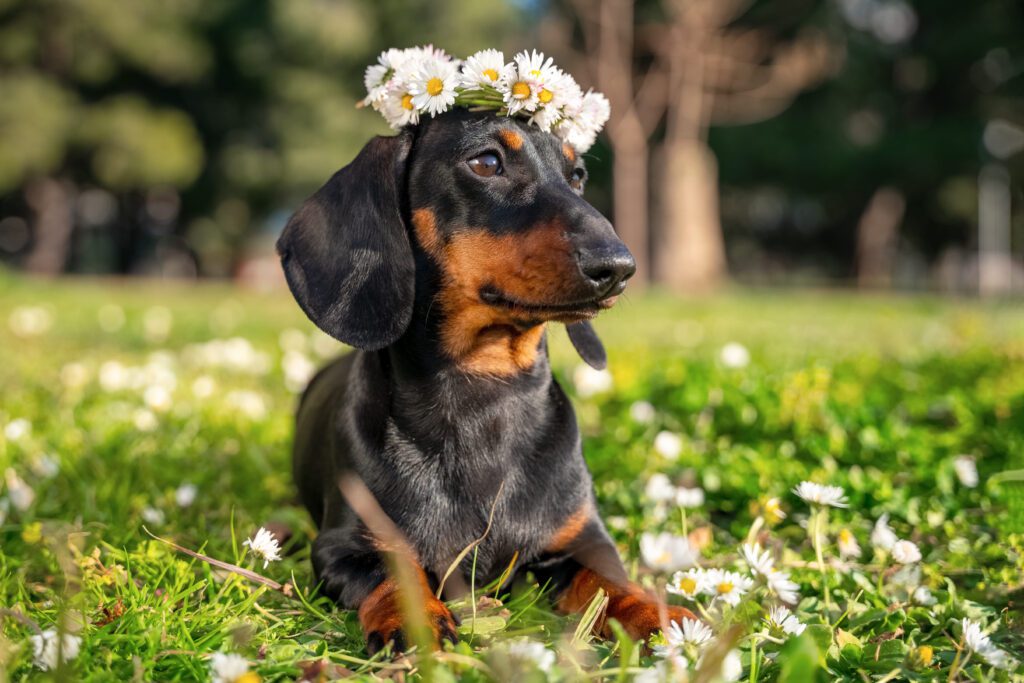


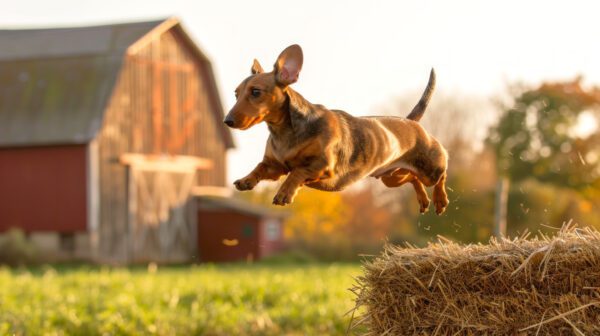
Miniature Dachshunds are bold, affectionate, and comical companions. They bond closely with their families, they enjoy short adventures, and they relax happily at home. Their small size fits apartments and condos, and their big personality keeps life interesting. Their hunting roots create a love of sniffing and digging, so they need structure and enrichment.
Thoughtful research sets you and your dog up for success. Adopting gives a dog a second chance, and it supports ethical placement that includes essential veterinary care and careful matchmaking. Many adoptable Miniature Dachshunds are already socialized and sometimes housetrained, which shortens the adjustment period for new families.
Connecticut offers four true seasons, which shapes daily care. Cold winters require a warm coat for a short-coated Dachshund, and icy sidewalks require slow walks for safe footing. Wooded areas and coastal paths provide great sniffing opportunities, yet a short stride means you should avoid deep snow and steep, rocky trails. Many New England homes have stairs, so ramps and blocked jumping zones protect backs and keep joints safe.
You can avoid searching rescues and shelters separately by starting with Dog Academy, which centralizes adoptable dogs in one easy place. You can also use Dog Academy’s educational guides and adoption checklists to plan each step. You will find Miniature Dachshunds through local animal shelters, regional rescues, and breed-specific rescue groups. Some organizations place dogs directly from foster homes, which helps you learn how the dog behaves in a home setting.
Begin by browsing listings and reading full profiles. Look for details about age, energy level, housetraining, and any medical notes. Ask clear questions about back history, behavior around children, comfort with other dogs, and tolerance for alone time. A short call or email exchange helps you decide whether to apply.
Most organizations use an application that requests identification, veterinary references, and proof of housing permission for renters. A coordinator often schedules a phone interview to align expectations about routines, exercise, and training plans. Meet-and-greets typically happen at a shelter, a foster home, or a supervised event. Many groups allow a second visit with all household members, which helps confirm a safe match.
Home checks are common and focus on safety rather than decor. A volunteer or staff member verifies that doors latch securely, that hazardous items are stored, and that stairs or furniture jumps are managed with gates or ramps. Approval timelines vary by dog and by season, and many adopters in Connecticut finalize placement in 1 to 3 weeks. Some rescues arrange transport between locations with volunteer drivers or licensed carriers, and adopters usually meet at a designated pickup point after approval. A few groups offer short trial periods known as foster to adopt, which confirm compatibility before finalizing the contract.
|
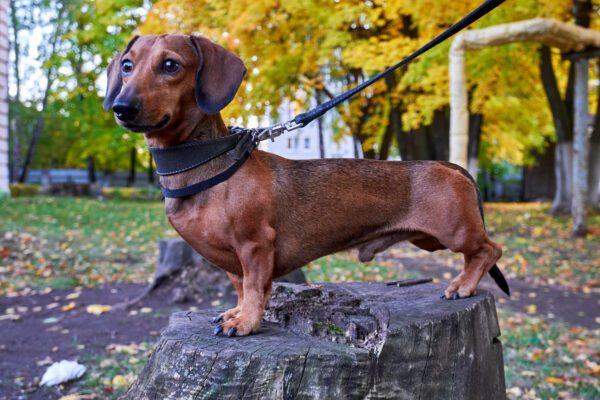
How Much Does It Cost to Adopt a Miniature Dachshund in Connecticut?In Connecticut, most adopters pay about $350 to $550 for an adult Miniature Dachshund and about $450 to $700 for a puppy. These figures reflect regional veterinary costs and strong breed demand in the Northeast. Fees usually include spaying or neutering, vaccinations, microchipping, and veterinary exams. Costs can rise if the dog received dental care, diagnostic imaging, or treatment for skin or ear infections. Puppies often cost more due to preventive care and high demand, while seniors sometimes cost less to encourage adoption. Training progress and temperament also influence pricing because extra work by foster teams adds value for new owners. |
How Should I Train a Miniature Dachshund?Miniature Dachshunds are intelligent and food motivated, yet they can be independent. Short, upbeat sessions work best, and clear rewards keep focus strong. Use positive reinforcement with tiny treats or a favorite toy, and end sessions before attention fades. Consistent cues and simple routines help this breed understand expectations. Housetraining and barking are common challenges, so create a reliable schedule and reward quiet moments. Crate training supports safe travel and prevents jumping off furniture, which protects a long back. Teach wait, leave it, and come with low distractions first, then slowly add new environments. Offer scent games, puzzle feeders, and gentle walks on level ground to satisfy a strong nose without overloading joints. You can build a complete plan with Dog Academy’s online training courses, which provide step-by-step lessons for recall, leash manners, and polite greetings. |
|
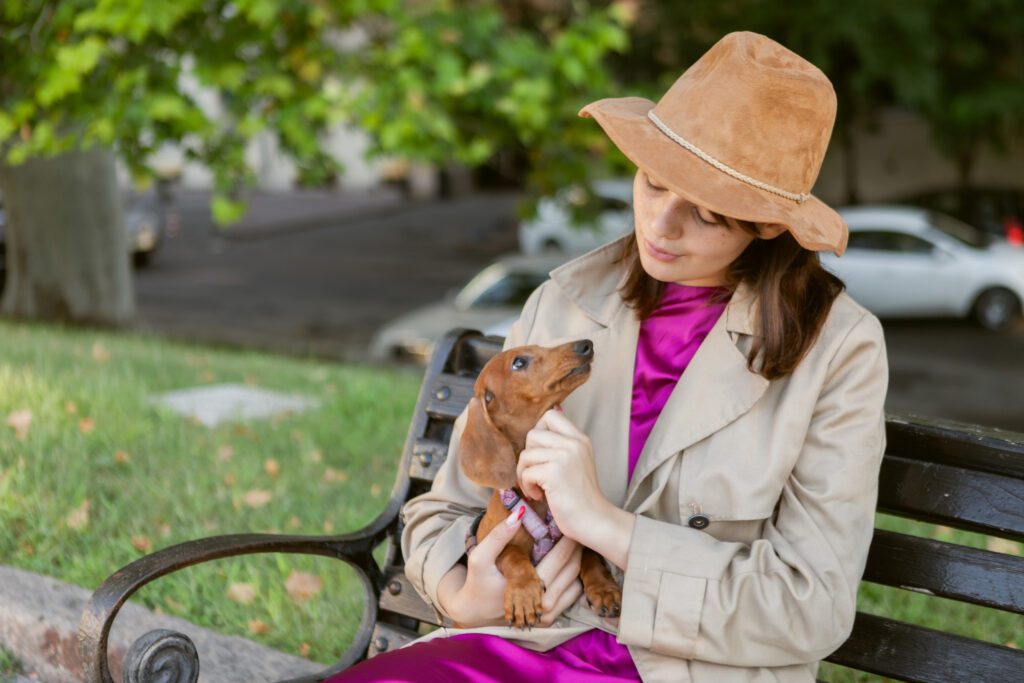
The ideal adopter is patient, consistent, and ready to guide a smart yet strong-willed dog. A good match includes daily walks, quiet naps, and plenty of sniffing games. A home that limits stairs or uses ramps protects a vulnerable back, and gentle handling keeps this small dog confident and secure.
Preparation leads to a smooth transition. Set up a crate, choose a veterinarian, and gather winter gear for cold days and reflective gear for early sunsets. Take your time, ask thoughtful questions, and keep learning. With a careful search and steady training, you can adopt a Miniature Dachshund in Connecticut and build a joyful life together.

Introducing a new puppy to your current dog is often an exciting process, and many dogs will become fast friends and eas...
Read More
Rescue dogs can make great companions and can transform your home into something better. These dogs make great pets and ...
Read More
You should never rush to pet a dog. Even dog owners make the mistake of approaching unfamiliar dogs and petting them rig...
Read More
Puppy mill dogs are survivors who have endured extreme hardships in their lives. They have grown up in horrendous, unsan...
Read More
With their wagging tails and comforting presence, adopting a dog can add a unique touch to your life. It’s a heart...
Read More
Older dogs may have a few gray hairs around the edges, but that doesn’t mean they can’t make wonderful companions! T...
Read More