























































































































































































Introducing a new puppy to your current dog is often an exciting process, and many dogs will become fast friends and eas...
Read MoreAdopt Me

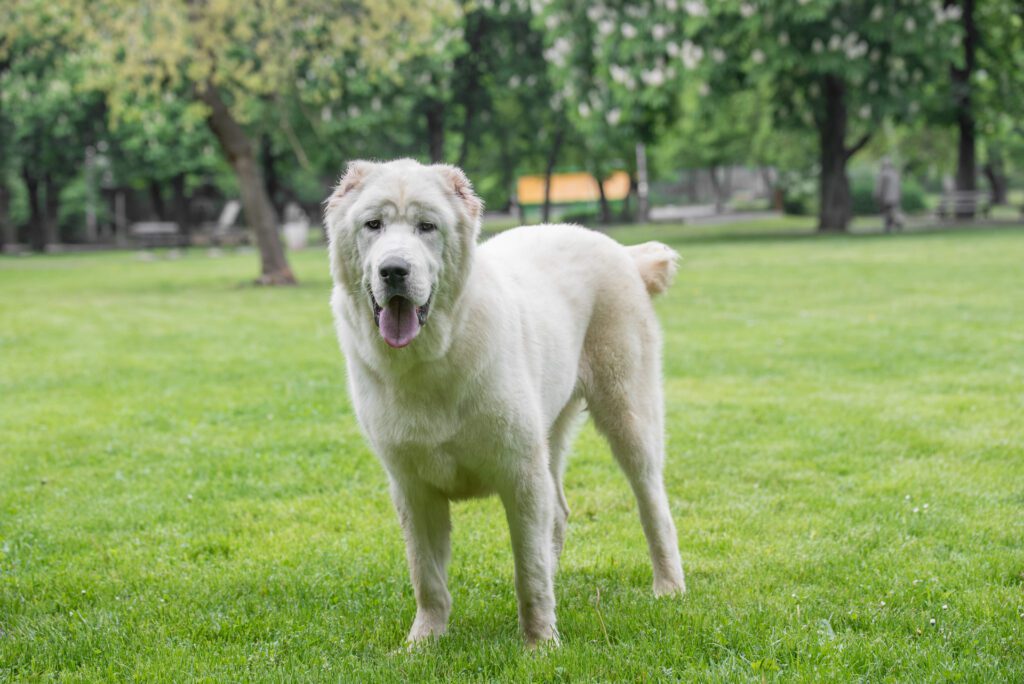



The Central Asian Shepherd is a steady, loyal, and protective livestock guardian that bonds deeply with its family. This breed stays calm and observant, shows natural suspicion of strangers, and makes thoughtful choices rather than reacting impulsively. The size and strength of the Central Asian Shepherd require confident handling, consistent structure, and clear rules. With the right match, this dog becomes a devoted companion that quietly watches over home and property.
Careful research ensures you understand the breed’s temperament, exercise needs, and management requirements before you bring a dog home. Adoption gives a deserving dog a second chance and often provides a clearer picture of temperament, energy level, and health history. Adopting also supports local shelters and rescue efforts while helping you avoid the uncertainties that come with buying from unknown sources.
Connecticut’s four season climate suits the Central Asian Shepherd’s thick coat in winter, though humid summers call for shade, airflow, and plenty of water. The state offers suburban neighborhoods, coastal towns, and rural properties, which can fit this breed when owners provide a secure yard and daily structured walks. Apartment living can be challenging because of the dog’s size and guarding instincts. Families that enjoy quiet hikes, have time for training, and can manage introductions with visitors will find that the Connecticut lifestyle can meet this breed’s needs.
You can avoid searching shelters and rescues one by one by browsing listings through Dog Academy. Dog Academy keeps adoption information in one place and provides helpful guides and checklists so you can prepare with confidence. You can also check local animal shelters, regional rescues, and breed-specific rescue groups that may place Central Asian Shepherds or mixes in Connecticut.
Start by browsing available dogs and reading each profile in full. Profiles often include age, size, behavior notes, and medical updates. Submit an application that answers questions about your home, routine, experience with large breeds, and plans for training. Applications usually request references and proof of landlord approval if you rent. Strong applications show that you understand the breed’s guarding instincts and that you have a plan for secure fencing, structured exercise, and ongoing training.
After the application review, most groups schedule a phone interview, followed by a meet and greet. A meet and greet helps confirm the dog’s comfort level with all family members and any resident pets. Many organizations conduct a home check either in person or through video to confirm safe containment, hazard-free yards, and appropriate gates. Approval timelines vary, but many families complete the process in 1 to 3 weeks. Guardian breeds can take longer to match because organizations aim for careful placements.
Some rescues arrange transport when a dog is in another location. Transport is often organized by volunteers or licensed carriers who move dogs safely between states. The rescue typically finalizes the adoption or signs a transport agreement before travel, obtains a veterinary health certificate, and sets a pickup time at a designated meeting point. Always confirm transport costs, schedules, and arrival procedures in writing so you can plan supplies and time off.
|
How Much Does It Cost to Adopt a Central Asian Shepherd in Connecticut?Most adopters in Connecticut can expect adoption fees in the range of $250 to $550 for a Central Asian Shepherd or a close mix. Fees vary based on age, training, medical care, and local demand. Puppies and young adults often sit at the higher end because they receive more preventative care and attract more applications. Seniors and special needs dogs may be lower. If transport is required, groups may add a separate transport fee that reflects fuel, veterinary paperwork, and logistics. Adoption fees generally help cover spaying or neutering, vaccinations, microchipping, and veterinary exams. Many organizations also include deworming, a heartworm test, and a behavior evaluation. A dog that receives dental work, orthopedic treatment, or professional training support may have a higher fee that reflects those costs. |
How Should I Train a Central Asian Shepherd?The Central Asian Shepherd is intelligent and independent, which means this dog learns quickly but resists drills that feel pointless. Use positive reinforcement with high value food rewards and calm praise. Keep sessions short and purposeful, and end while your dog is still engaged. Focus on leash manners, recall foundations, impulse control, and calm greetings at doors and gates. Build neutrality around visitors and dogs through distance, movement, and structured handling rather than free socialization. Early and ongoing socialization matters for this guardian breed. Create a plan with controlled exposures to different surfaces, sounds, and calm people while maintaining safe distances. Teach solid boundary skills with a place cue, reliable door waits, and polite leash walking near property lines. Management supports training, so invest in secure fencing at least 6 feet tall, a sturdy collar or harness, and a crate sized for safety during rest and transport. Handle paws, ears, and mouth regularly so veterinary visits stay low stress. If you want step by step guidance for obedience, leash skills, reactivity reduction, and calm household manners, explore Dog Academy’s online training courses. Courses break complex behaviors into simple steps, offer structured practice plans, and help you build the consistency that a Central Asian Shepherd respects. |

|
The ideal adopter has experience with large breeds, lives in a home with secure fencing, and can commit to daily structure and clear rules. Families who value quiet routines, enjoy bracing winter walks, and manage introductions thoughtfully often thrive with this breed. Children and resident pets can do well when adults supervise interactions and maintain predictable boundaries.
Take time to research, gather supplies, and speak openly with adoption counselors about your goals. When you are ready, use Dog Academy to review listings, read guides, and follow checklists that set you and your new dog up for success. With patience and preparation, you can adopt a Central Asian Shepherd in Connecticut and welcome a loyal guardian into your home.

Introducing a new puppy to your current dog is often an exciting process, and many dogs will become fast friends and eas...
Read More
Rescue dogs can make great companions and can transform your home into something better. These dogs make great pets and ...
Read More
You should never rush to pet a dog. Even dog owners make the mistake of approaching unfamiliar dogs and petting them rig...
Read More
Puppy mill dogs are survivors who have endured extreme hardships in their lives. They have grown up in horrendous, unsan...
Read More
With their wagging tails and comforting presence, adopting a dog can add a unique touch to your life. It’s a heart...
Read More
Older dogs may have a few gray hairs around the edges, but that doesn’t mean they can’t make wonderful companions! T...
Read More