









































































































































Introducing a new puppy to your current dog is often an exciting process, and many dogs will become fast friends and eas...
Read MoreAdopt Me

Miss Chestnut
Hillside, IL
Breed: Nova Scotia Duck-Tolling Retriever
Sex: Female
Age: puppy




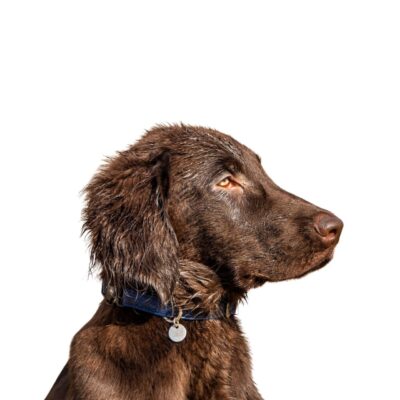
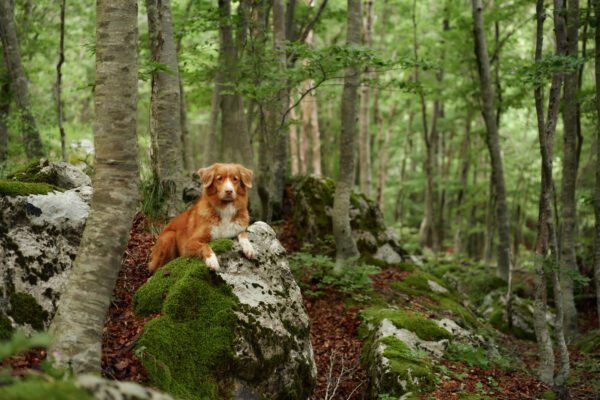
The Nova Scotia Duck Tolling Retriever is an energetic, clever, and affectionate companion. This breed loves water, thrives on problem solving, and bonds closely with its people. A Toller brings joyful energy to active households that enjoy outdoor adventures and regular training.
Research matters before you adopt a high-drive working dog. Adoption gives a deserving dog a home and supports community-based animal welfare, while also connecting you with support that helps you succeed. Connecticut offers four distinct seasons, coastal access, and plenty of wooded trails. A Toller’s weather-resistant double coat handles cold winters well, and the breed enjoys swims in lakes and calm coastal spots. Hot and humid summers call for shaded walks, hydration, and smart scheduling during cooler hours.
Daily activity shapes success with this breed. Most Tollers need 60 to 90 minutes of physical exercise and focused training each day, along with puzzle games that work the mind. This breed sheds seasonally and can be vocal when excited. Homes that enjoy hiking, structured play, and consistent training tend to be a strong fit in Connecticut.
You can avoid searching rescues and shelters one by one by starting with Dog Academy. Dog Academy’s adoption listings let you filter by breed, age, size, and location so you can quickly find Nova Scotia Duck Tolling Retrievers available in or near Connecticut. You also gain access to clear educational guides and adoption checklists that help you prepare your home, organize documents, and plan your first week with your new dog.
Adoptable Tollers may appear through local animal shelters, regional rescues, and breed-specific rescue groups. Some candidates live in foster homes where volunteers learn about energy level, manners, and compatibility with children or other pets. Understanding the breed’s mental and physical needs helps you choose a dog whose activity level and temperament fit your routine.
The process usually begins by browsing listings and submitting an application. Applications often ask for personal references, proof of housing, landlord approval when required, and your veterinarian’s contact information if you have current pets. Many groups schedule a phone interview to discuss your experience with active breeds and your exercise plan. Meet-and-greets follow in a neutral setting or in a foster home. Home checks take place virtually or in person to confirm safety, secure fencing when relevant, and a setup that supports training and rest. Approval timelines vary by group, though many decisions finalize within 1 to 3 weeks once your application is complete.
Some rescues arrange transport to move dogs between locations when it improves a match. Transport is often organized by rescue volunteers or trusted carriers who coordinate health certificates and safe travel plans. Once approved, you sign an adoption agreement, pay the fee, and bring your dog home with essentials like a secure crate, a flat collar with ID, a sturdy leash, and high-value training treats for the first days together.
|
How Much Does It Cost to Adopt a Nova Scotia Duck Tolling Retriever in Connecticut?Most adopters in Connecticut can expect to pay $350 to $650 for a Nova Scotia Duck Tolling Retriever through shelters or rescues. Puppies and young adolescents often fall between $500 and $750 due to higher demand and recent veterinary care. Fees vary based on age, training, medical history, and regional demand for the breed. Adoption fees typically include spaying or neutering, vaccinations, microchipping, and veterinary exams. Many groups also provide deworming, heartworm testing, and a starter dose of preventatives. Some organizations add reasonable transport or health certificate costs when travel is required. Transparent fees reflect the actual care provided and help ensure dogs receive thorough medical screening before placement. |
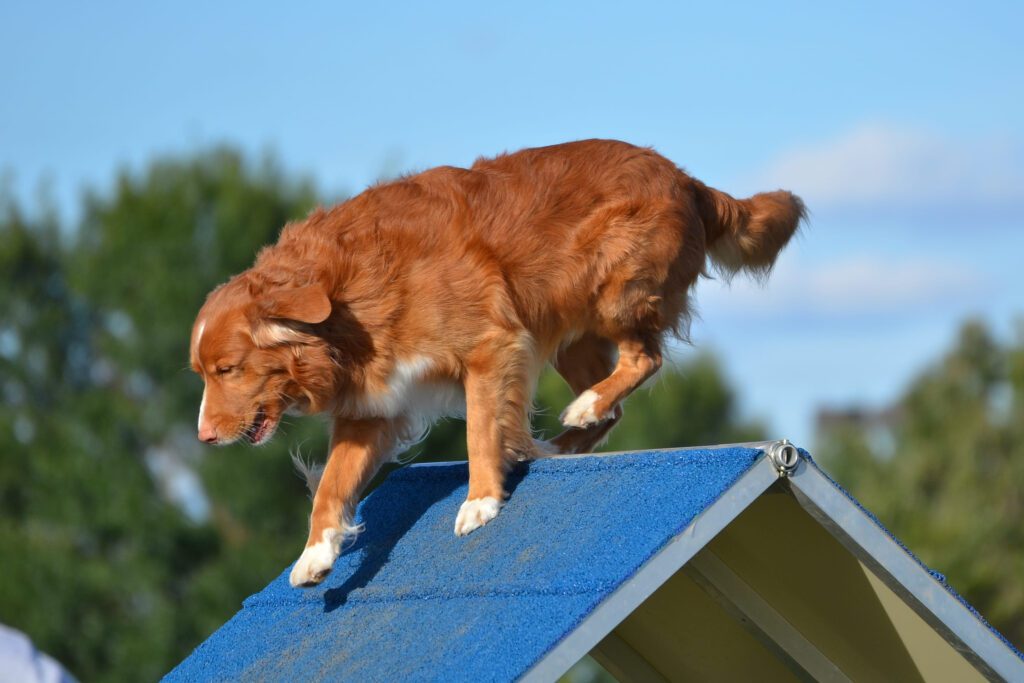
How Should I Train a Nova Scotia Duck Tolling Retriever?The Toller is intelligent, athletic, and eager to work with people. This breed learns quickly when training stays upbeat and consistent. Short sessions with frequent rewards build focus and engagement. Food rewards, toy play, and retrieving games keep a Toller motivated and help channel excitement into productive learning. Common challenges include overexcitement during greetings, mouthy play, and a strong urge to chase moving objects. Focus on reliable recall, loose-leash walking, a solid drop or leave it, and calm settle routines. Teach impulse control through games that practice waiting, targeting, and quiet relaxation. Daily mental work through nose games, puzzle feeders, and shaping tasks reduces restless behavior. Water-loving Tollers also benefit from structured retrieves that end on cue, which strengthens impulse control around lakes and beaches. For step-by-step guidance at home, explore Dog Academy’s online training courses. Courses cover foundation obedience, impulse control, crate training, and separation preparation, all taught with positive reinforcement. You can follow clear lesson plans, get troubleshooting tips, and build a personalized program that fits your Toller’s energy and learning style. |
|
The ideal Toller adopter enjoys outdoor activity, regular training, and daily mental enrichment. A strong match is an owner who values structure, practices positive reinforcement, and can provide consistent exercise in every season. Families that spend time hiking, visiting calm water spots, and playing organized games will likely see this breed thrive.
Preparation sets you up for success. Take time to research, gather supplies, and plan a training routine before your dog arrives. Browse listings through Dog Academy, ask clear questions, and move at a pace that feels right. With patience and preparation, you can adopt a Nova Scotia Duck Tolling Retriever in Connecticut and build a rewarding partnership that lasts for years.

Introducing a new puppy to your current dog is often an exciting process, and many dogs will become fast friends and eas...
Read More
Rescue dogs can make great companions and can transform your home into something better. These dogs make great pets and ...
Read More
You should never rush to pet a dog. Even dog owners make the mistake of approaching unfamiliar dogs and petting them rig...
Read More
Puppy mill dogs are survivors who have endured extreme hardships in their lives. They have grown up in horrendous, unsan...
Read More
With their wagging tails and comforting presence, adopting a dog can add a unique touch to your life. It’s a heart...
Read More
Older dogs may have a few gray hairs around the edges, but that doesn’t mean they can’t make wonderful companions! T...
Read More