
























































































































































































Introducing a new puppy to your current dog is often an exciting process, and many dogs will become fast friends and eas...
Read More
How to Introduce a New Puppy to Your Dog

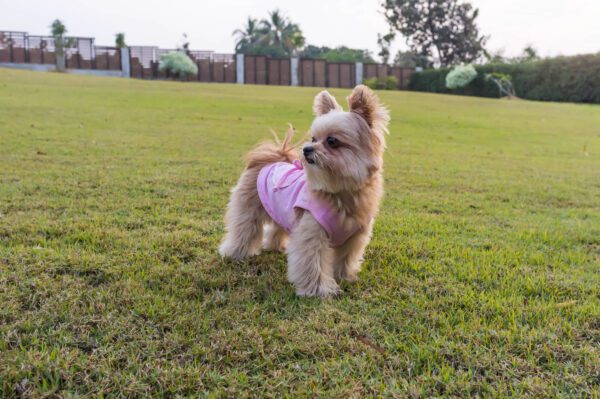
The Chorkie blends the spunky confidence of the Chihuahua with the bright, loyal nature of the Yorkshire Terrier. This tiny companion thrives on attention, bonds deeply with family, and brings big-dog attitude in a small, travel-friendly body. Before you adopt, take time to learn about the breed’s needs, energy level, and health so you can make a decision that fits your home and routine.
Adoption gives a dog a second chance and supports the lifesaving work of shelters and rescues. Adopted dogs often come with core veterinary care, and knowledgeable staff can help match you with the right temperament. Connecticut’s four-season climate suits a Chorkie when you plan for weather. Winters can be cold and icy, so your dog will need a warm coat, paw protection, and short outdoor sessions. Summers can be humid, so you will need shade and water on walks. The state’s mix of walkable towns and apartment living favors a small dog, though you should plan daily exercise and mental enrichment to prevent boredom and barking.
Chorkies do well in homes that provide structure and gentle handling. Their small size makes them a fit for condos and smaller houses, yet they still need play, training, and routine social time. Supervise outdoor time in yards, use a secure leash on walks, and build calm habits to keep this alert companion comfortable in busy Connecticut environments.
You can save time by using Dog Academy to browse adoption listings in one place, which means you avoid searching shelters and rescues separately. You can filter by breed, size, age, and distance, then follow clear next steps. Dog Academy also offers educational guides and adoption checklists so you feel prepared from the first inquiry to the first day at home.
Beyond centralized listings, look at local animal shelters, regional rescues, and breed-specific rescue groups. Many small-breed dogs live in foster homes, so profiles often include notes on house manners and compatibility with children or other pets. Read each listing carefully to confirm energy level, medical history, and any behavior notes that could affect your household.
The process usually starts with browsing listings and submitting an application. Applications often request identification, proof of residence, landlord approval for renters, and a veterinary reference. After a review, you may be invited to a meet-and-greet at a shelter, a foster home, or a neutral public space. If a group requires a home check, it may be virtual or in person to confirm safety, secure fencing if applicable, and a plan for daily care. Approval timelines vary, though many decisions happen within 3 to 14 days depending on applicant volume and scheduling.
Some rescues coordinate transport for dogs that are outside your immediate area. Transport is often arranged by rescues to move dogs between states, using volunteer drivers or licensed partners. Fees may cover fuel, safe crating, and required health certificates, and schedules depend on driver availability and weather.

|
How Much Does It Cost to Adopt a Chorkie in Connecticut?In Connecticut, most Chorkie adoptions cost $350 to $600 through shelters and rescues. Puppies under 1 year often range from $450 to $700 due to high demand and more preventive care. Fees reflect what the organization has invested in the dog and what the local market can support. Adoption fees typically include spaying or neutering, vaccinations, microchipping, and veterinary exams. Costs can increase when a dog has recent dental care, specialized testing, or professional training. Age, temperament, and location also influence pricing. A well-socialized adult in foster care may be placed quickly at the higher end of the range, while a senior with ongoing medical needs may be placed at the lower end to encourage adoption. |
How Should I Train a Chorkie?Chorkies are smart, curious, and eager to engage, which makes training effective when it is consistent and upbeat. Short sessions work best because small dogs can tire or lose focus quickly. Use high-value treats, clear cues, and frequent rewards to build reliable behaviors. Common challenges include alert barking, house training, and pushy greetings. Teach a quiet cue, reward relaxed behavior, and give your dog a predictable routine for potty breaks. Crate training supports house manners and safety during travel. Early socialization with calm dogs and polite people helps reduce reactivity and boosts confidence in busy neighborhoods. If you want a guided plan, try Dog Academy’s online training courses. Step-by-step lessons cover foundation skills, leash walking, crate comfort, and enrichment games that channel a Chorkie’s energy into positive habits. |

|
The ideal Chorkie adopter enjoys daily companionship, provides gentle handling, and commits to routine training and enrichment. A consistent schedule, a secure leash, and cozy winter gear will keep this small companion happy across Connecticut’s seasons.
Take your time, read each profile carefully, and prepare your home before you apply. Gather supplies, plan a safe potty area, and set a training routine for the first week. When you move at a thoughtful pace, you give your new Chorkie the best chance to settle in and thrive. Start your search with Dog Academy and follow a clear path from browsing to bringing your new friend home.
Introducing a new puppy to your current dog is often an exciting process, and many dogs will become fast friends and eas...
Read More
Rescue dogs can make great companions and can transform your home into something better. These dogs make great pets and ...
Read More
You should never rush to pet a dog. Even dog owners make the mistake of approaching unfamiliar dogs and petting them rig...
Read More
Puppy mill dogs are survivors who have endured extreme hardships in their lives. They have grown up in horrendous, unsan...
Read More
With their wagging tails and comforting presence, adopting a dog can add a unique touch to your life. It’s a heart...
Read More
Older dogs may have a few gray hairs around the edges, but that doesn’t mean they can’t make wonderful companions! T...
Read More