



























































































































































































Introducing a new puppy to your current dog is often an exciting process, and many dogs will become fast friends and eas...
Read MoreAdopt Me

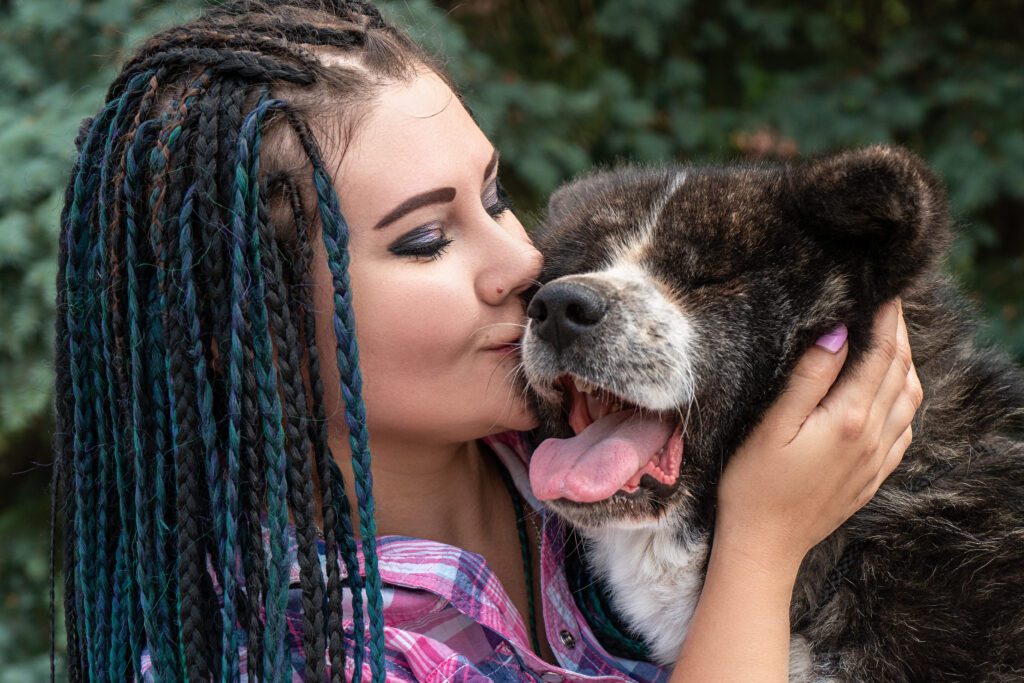

Akitas are loyal, confident, and deeply devoted dogs that bond closely with their families. The breed is calm and dignified in the home, yet strong and athletic outdoors. An Akita thrives with steady leadership, clear structure, and daily mental enrichment.
Thoughtful research matters before you bring an Akita home. This breed can be reserved with strangers, selective with other dogs, and powerful on leash. Adoption gives you the chance to match with a dog whose personality and needs are already known, which helps you make a responsible long-term choice. Adoption also supports animal welfare and often includes essential veterinary care at a lower cost than buying.
Connecticut’s climate fits an Akita’s thick double coat during cold winters. The humid summers require shade, cool rest areas, and careful exercise timing to prevent overheating. The state’s mix of suburbs, small towns, and trails suits regular walks and hikes, but secure fencing and reliable recall are important because Akitas can have strong prey drive. Busy households can succeed with this breed if they plan daily exercise, consistent training, and supervised social time.
You can skip searching rescues and shelters separately by using Dog Academy to browse adoptable Akitas across local animal shelters, regional rescues, and breed-specific rescue groups. Listings help you compare age, size, temperament notes, and location so you can narrow your choices quickly. Dog Academy also offers educational guides and practical adoption checklists to help you prepare your home, plan supplies, and set up a safe first week.
Start by browsing listings, then submit an application that shares your household details, experience level, schedule, and veterinary or personal references. Many organizations request landlord approval if you rent, as well as confirmation that your fencing and housing meet safety needs for a large dog. Responses often arrive within 3 to 7 days, though timelines can extend when demand is high.
Once your application is reviewed, you will be invited to a meet-and-greet. Staff or fosters will observe how the dog interacts with you and may ask you to practice handling, walking, and basic cues. Some groups schedule a home check, which can be in person or virtual, to confirm safe containment, secure storage of supplies, and a quiet space for decompression. After approval, you will complete an adoption contract, pay the fee, and arrange pickup. Some rescues arrange transport to move dogs between locations, which means a dog in a different county or nearby state can be safely moved to you by volunteer drivers or professional partners.
Expect clear communication about medical history, behavior notes, and any training plans in progress. Many organizations offer a short trial period and post-adoption support so you can transition smoothly and get help if questions arise during the first 2 weeks.
|
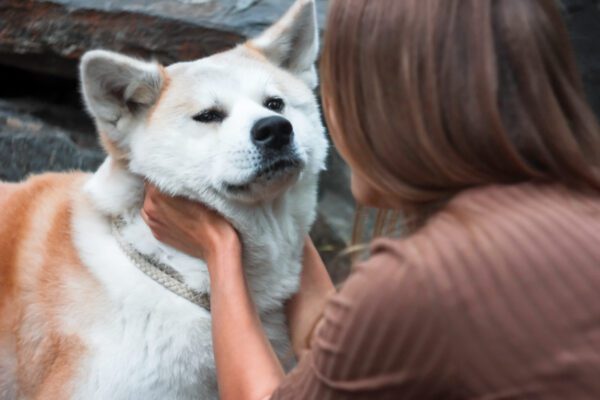
How Much Does It Cost to Adopt a Akita in Connecticut?Most adopters in Connecticut pay about $300 to $550 to adopt an Akita. Fees vary based on age, training progress, medical care, and local demand. Puppies often cost more because they receive extra preventive care and are in high demand, which can bring totals closer to $450 to $650. Senior dogs or dogs with special needs may be lower, often $150 to $300, to encourage placement with the right family. Adoption fees typically include spaying or neutering, vaccinations, microchipping, and veterinary exams. Many groups also invest in heartworm testing, deworming, flea and tick prevention, and behavioral evaluations, which can affect the final fee. A well-documented medical and behavior history adds value because it helps you plan training and future care with confidence. |
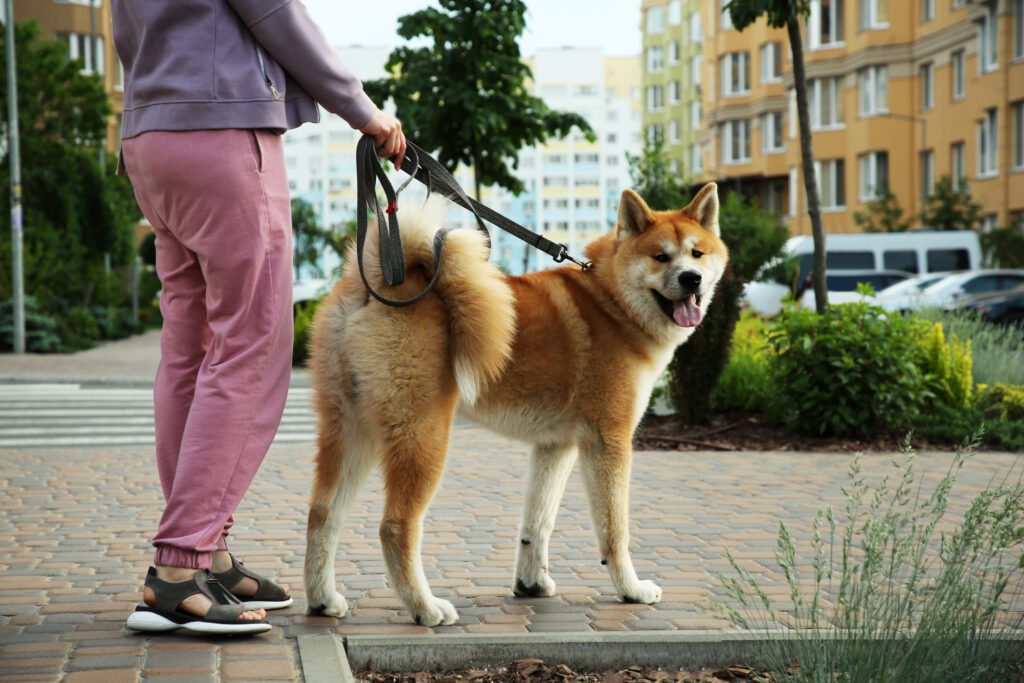
How Should I Train a Akita?Akitas are intelligent and independent, which means they learn quickly but often question unclear direction. Use positive reinforcement, consistent boundaries, and short sessions that mix obedience with problem-solving games. Reward calm behavior, mark good choices immediately, and keep cues simple and consistent for every family member. Common challenges include pulling on leash, selective recall, and sensitivity around unfamiliar dogs. Focus on leash manners, impulse control, and reliable recall in low-distraction settings before you practice in busier areas. Early and ongoing socialization teaches your Akita to stay neutral around people and dogs in public, which supports safety and confidence. Avoid harsh corrections because they can create conflict and reduce trust with this thoughtful breed. For structured guidance, explore Dog Academy’s online training courses. Step-by-step lessons cover foundation skills, polite leash walking, calm greetings, and enrichment plans tailored to busy households. Courses help you build a routine that keeps your Akita engaged and well mannered. |
|
The ideal Akita owner values routine, invests time in daily exercise, and enjoys clear, consistent training. A home with secure fencing, patient handlers, and a calm schedule sets this breed up for success. Families with children can thrive when adults supervise interactions and teach respectful handling from day one.
Take your time, ask detailed questions, and prepare your home before adoption day. When you match thoughtfully, you give a deserving dog a stable life and gain a loyal companion. Begin your search with Dog Academy’s listings, follow a careful plan, and bring home the right Akita for your Connecticut lifestyle.

Introducing a new puppy to your current dog is often an exciting process, and many dogs will become fast friends and eas...
Read More
Rescue dogs can make great companions and can transform your home into something better. These dogs make great pets and ...
Read More
You should never rush to pet a dog. Even dog owners make the mistake of approaching unfamiliar dogs and petting them rig...
Read More
Puppy mill dogs are survivors who have endured extreme hardships in their lives. They have grown up in horrendous, unsan...
Read More
With their wagging tails and comforting presence, adopting a dog can add a unique touch to your life. It’s a heart...
Read More
Older dogs may have a few gray hairs around the edges, but that doesn’t mean they can’t make wonderful companions! T...
Read More