



























































































































































































Introducing a new puppy to your current dog is often an exciting process, and many dogs will become fast friends and eas...
Read MoreAdopt Me

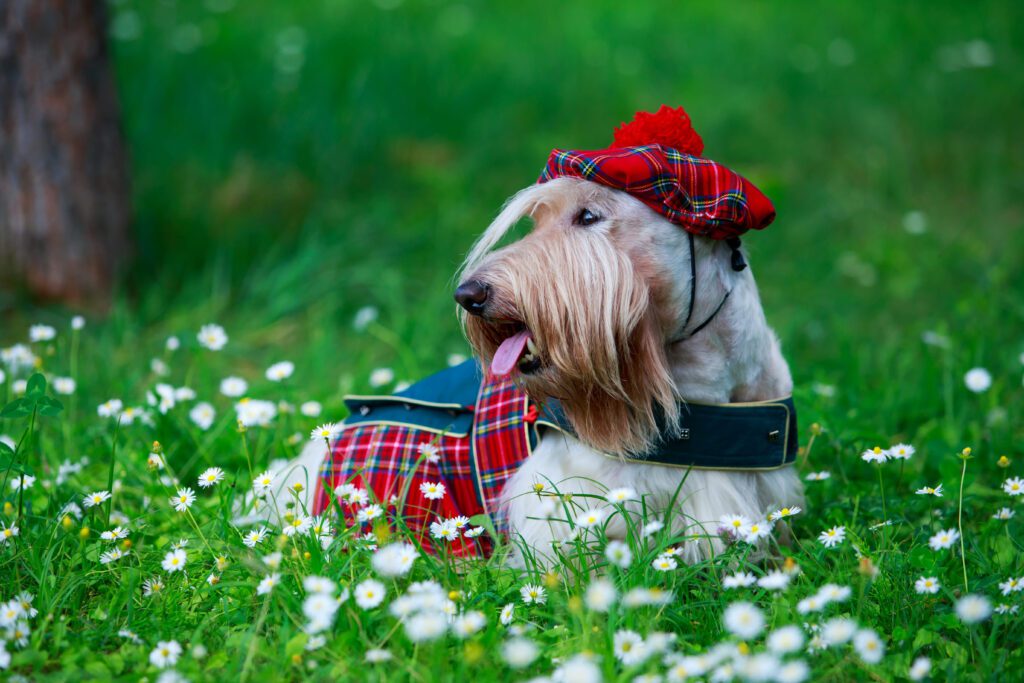

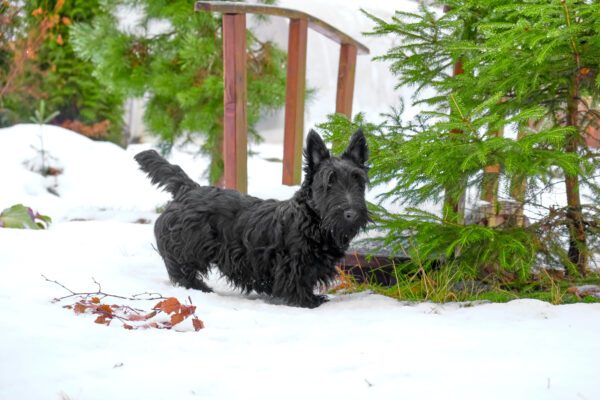
Scottish Terriers are bold, loyal, and charming companions who carry a big presence in a compact frame. The breed brings a confident spirit, sharp intelligence, and a devoted nature that fits many homes. A Scottish Terrier thrives with steady routines, brisk walks, and clear boundaries, and the breed rewards that structure with steadfast companionship.
Thoughtful research sets every adoption up for success. Understanding grooming needs, exercise routines, and temperament prepares you to meet a Scottie’s needs with confidence. Adoption is preferable to buying because it gives a dog a second chance, supports ethical rescue work, and usually includes essential veterinary care before placement. Connecticut offers a strong match for this breed thanks to walkable towns, coastal paths, and suburban neighborhoods with safe sidewalks. The cold season suits the Scottie’s weather-resistant coat, while humid summers call for shade, air conditioning, and consistent grooming. A fenced yard or leashed outings help manage the breed’s natural prey drive in wooded areas common across the state.
You can avoid searching rescues and shelters one by one by using Dog Academy to browse current adoption listings by breed and location. Dog Academy also provides educational guides and adoption checklists that explain each step, which helps you move from first interest to approved adopter without confusion.
Start your search by checking local animal shelters, regional rescues, breed-specific rescue groups, and foster-based networks. Browse listings, filter by age and distance, and read each profile closely. Profiles usually share health notes, energy level, behavior observations, and the type of home that will set the dog up for success. Ask questions early so you understand house manners, grooming tolerance, and any training needs.
Most groups use a structured application that asks about your home, schedule, and experience with dogs. Many groups verify references, confirm landlord approval, and ask for a veterinary contact if you have or had pets. Timelines vary by organization and by the dog’s needs. Approvals can move in a few days for straightforward matches, while more complex cases can take 1 to 3 weeks.
After your application is approved, the process usually includes a meet-and-greet with the dog and your household. Many groups also complete a home check that can be virtual or in person to confirm safety and readiness. If everyone agrees that the match looks right, the group finalizes an adoption contract and schedules pickup or delivery. Some rescues arrange transport to move dogs between locations, which means volunteers or professional drivers bring dogs from one shelter or foster home to another. Transport follows health and safety rules and may add a small fee or a longer timeline.
|
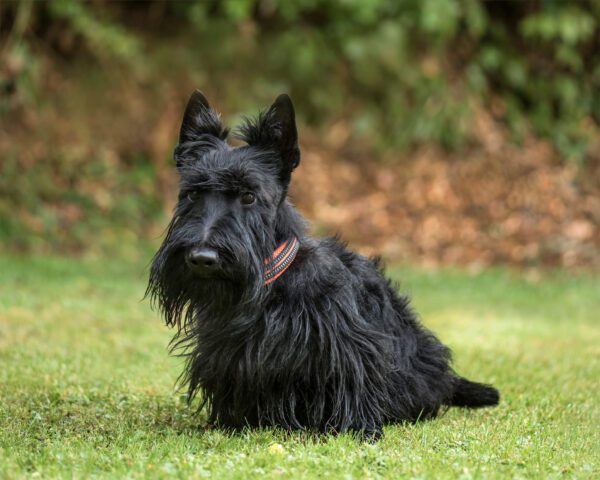
How Much Does It Cost to Adopt a Scottish Terrier in Connecticut?Most adopters in Connecticut can expect to pay $300 to $600 to adopt a Scottish Terrier. Puppies often fall at the higher end due to demand and early care, while seniors tend to be lower. Fees reflect the dog’s age, the amount of training already completed, the level of medical care provided, and local demand for the breed. The fee commonly includes spaying or neutering, vaccinations, microchipping, and veterinary exams. Some groups also cover deworming and a heartworm test, which adds value for new owners. Medical needs like dental cleanings or treatment for skin or ear issues can raise costs, while long stays in foster care can increase fees to offset supplies. Many groups send adopters home with a collar or a small bag of food, although extras are not guaranteed. |
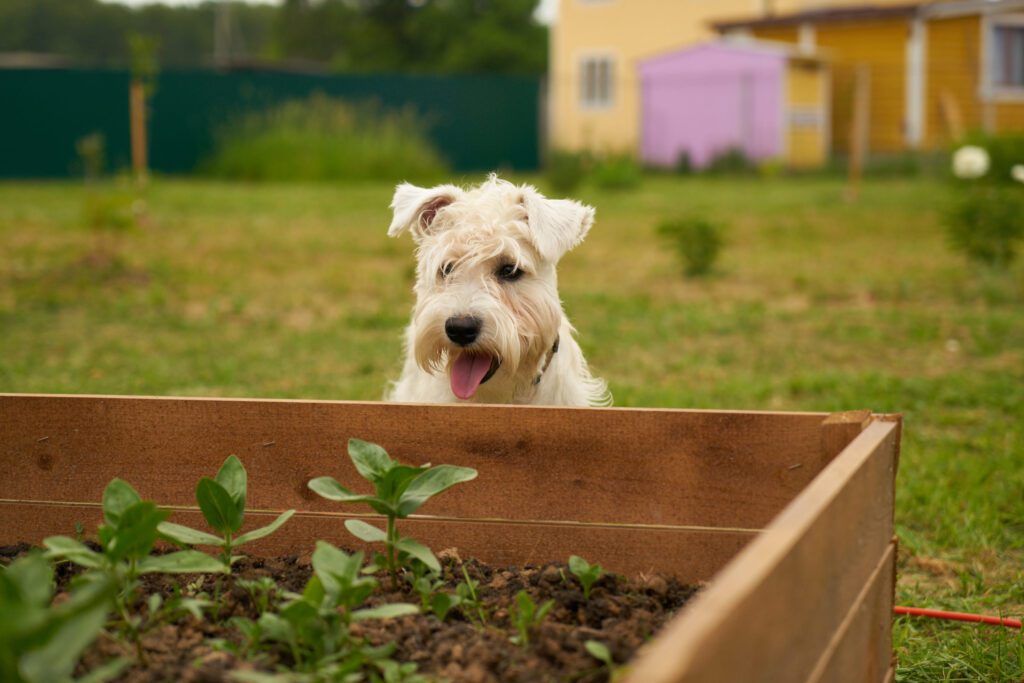
How Should I Train a Scottish Terrier?Scottish Terriers are bright and independent, and they learn quickly when training feels rewarding and clear. The breed responds best to positive reinforcement that uses small food rewards, praise, and play. Keep sessions short and upbeat, and end on a win. Consistent house rules, reliable routines, and early crate training help a Scottie settle and succeed. Patience matters because the breed can test boundaries and may resist harsh corrections. Focus on socialization, impulse control, and leash skills. Practice calm greetings, settle on a mat, and polite walking near distractions. Reinforce recall in safe areas and manage the strong prey drive with a secure fence or a long line in open spaces. Enrichment such as scent games and puzzle feeders keeps the quick Scottie mind satisfied. For step-by-step support, explore Dog Academy’s online training courses, which provide video lessons, practice plans, and behavior tips tailored to real life. |
|
The ideal Scottish Terrier owner is patient, consistent, and ready to blend daily walks with mental enrichment. A Scottie suits apartments and townhouses when exercise and training are reliable, and the breed also enjoys a secure yard for zoomies and sniffing. Plan for regular brushing and professional grooming every 4 to 8 weeks so the coat stays clean and comfortable through New England seasons.
Preparation creates a smooth transition. Set a budget for adoption fees, grooming, quality food, and training, and choose a veterinarian before pickup. Take time to research, ask questions, and meet more than one dog if needed. When you feel ready, use Dog Academy’s adoption listings to compare profiles and find the Scottish Terrier in Connecticut that fits your lifestyle with confidence.

Introducing a new puppy to your current dog is often an exciting process, and many dogs will become fast friends and eas...
Read More
Rescue dogs can make great companions and can transform your home into something better. These dogs make great pets and ...
Read More
You should never rush to pet a dog. Even dog owners make the mistake of approaching unfamiliar dogs and petting them rig...
Read More
Puppy mill dogs are survivors who have endured extreme hardships in their lives. They have grown up in horrendous, unsan...
Read More
With their wagging tails and comforting presence, adopting a dog can add a unique touch to your life. It’s a heart...
Read More
Older dogs may have a few gray hairs around the edges, but that doesn’t mean they can’t make wonderful companions! T...
Read More