



























































































































































































Introducing a new puppy to your current dog is often an exciting process, and many dogs will become fast friends and eas...
Read MoreAdopt Me

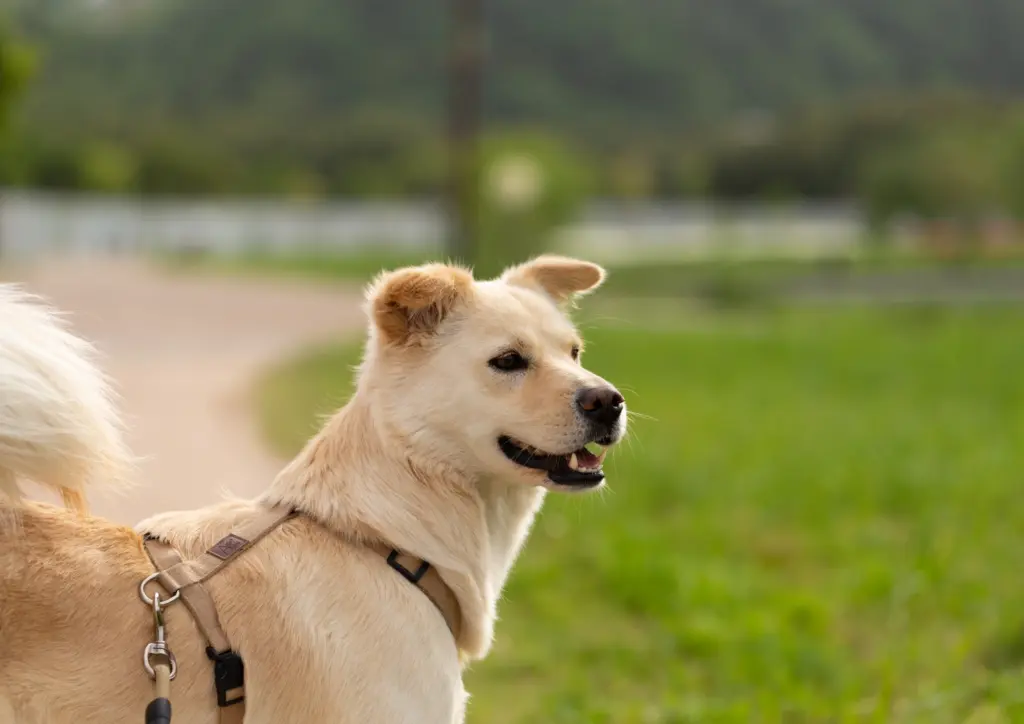
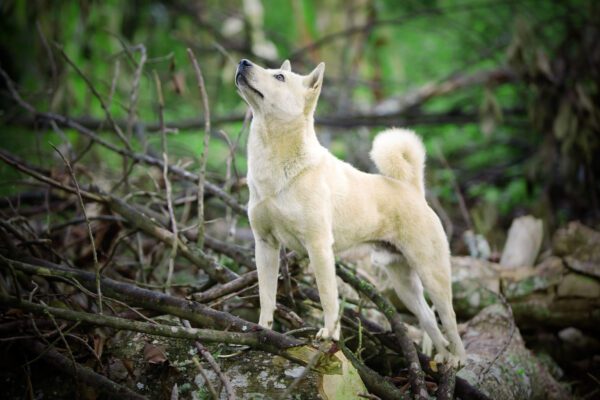
The Korean Jindo is a loyal, intelligent, and clean companion that often bonds deeply with one family. Many Jindos are calm indoors, quick to learn household routines, and alert without being noisy. They can be reserved with strangers and they often show a strong prey drive, which means clear training and secure management are important.
Research matters before you adopt a Korean Jindo in Connecticut. Understanding temperament, exercise needs, and socialization requirements helps you choose a good match and set the dog up for success. Adoption is a smart choice because it provides transparency about behavior, supports responsible animal welfare, and gives a dog a second chance at a stable home.
Connecticut offers four true seasons and varied geography from coastal towns to wooded trails. A Jindo has a weather-resistant double coat that suits cold winters, though the dog still needs a warm shelter and short exposures during extreme cold. Summers can be humid, so the dog needs shade, water, and rest during the hottest hours. The state’s mix of suburbs and small cities suits a Jindo that gets daily walks, mental enrichment, and secure yard time. Consistent exercise and supervision are essential near wildlife and busy roads.
You can skip searching individual rescues and shelters by browsing adoptable dogs through Dog Academy. Dog Academy curates adoption listings so you can filter by breed, age, and location in one place. Dog Academy also publishes educational guides and adoption checklists that help you evaluate fit, prepare supplies, and plan your first weeks at home.
Adoptable Korean Jindos in Connecticut may appear in local animal shelters, regional rescues, breed-specific rescue groups, and foster-based networks. Availability changes week to week because the breed is uncommon. Some organizations post dogs locally while others share regional listings that include nearby states. Rescues sometimes arrange transport to move dogs between locations when they identify a strong match, and they explain pickup logistics, timelines, and any added requirements before you commit.
The process usually starts by browsing listings and asking questions about temperament, health, and daily routine. You then submit an application that covers your experience, housing details, landlord approval when you rent, and plans for exercise and training. Many groups request personal references and a veterinary reference. Applications help match the right Jindo to the right environment, which reduces stress for both the family and the dog.
Next steps often include a meet-and-greet and a home check. A meet-and-greet allows you to see how the dog responds to family members and resident pets in a neutral setting. A home check may be virtual or in person, and it confirms safe fencing, secure storage for food and cleaning supplies, and a quiet space for decompression. Approval timelines range from a few days to about 3 weeks, depending on applicant volume, scheduling, and veterinary record reviews. Final steps include signing an adoption agreement and reviewing post-adoption support, which may cover training advice, medical follow-ups, and behavior check-ins.
|
How Much Does It Cost to Adopt a Korean Jindo in Connecticut?Expect to pay about $350 to $700 to adopt a Korean Jindo in Connecticut. Adoption fees vary based on age, training, medical care, and regional demand. Puppies and young dogs often sit at the top of the range, while seniors and special-needs dogs may be lower. When a rescue coordinates transport between locations, the group may add a separate fee to cover safe travel arrangements. Most fees include spaying or neutering, vaccinations, microchipping, and veterinary exams. Fees may also reflect parasite testing, dental care, and behavior evaluations completed by the organization. These services reduce your first-month expenses and help you start with a healthy, well-documented dog. |
How Should I Train a Korean Jindo?A Korean Jindo is intelligent and observant, which makes the dog quick to learn patterns and house rules. The breed is also independent and sensitive, so training works best when you use calm handling and clear structure. Positive reinforcement with food rewards, play, and praise builds trust and keeps motivation high. Harsh corrections can create shut-down behavior or defensive responses, which slows progress. Focus on socialization with people and calm dogs, loose-leash walking, reliable recall in fenced areas, and impulse control around wildlife. Many Jindos excel when you teach cue clarity, predictable routines, and frequent enrichment through scent games and puzzle feeders. Because the prey drive can be strong, keep the dog on leash in unfenced spaces and supervise backyard time with secure fencing. For step-by-step guidance, explore Dog Academy’s online training courses. Courses cover foundation skills, leash manners, crate training, and behavior troubleshooting with practical drills that fit a busy Connecticut lifestyle. |
|
The ideal adopter is patient, active, and consistent. A good match provides daily walks, mental enrichment, and a secure space for decompression. Families that value routine, gentle handling, and thoughtful socialization often see the best results with this thoughtful, loyal breed.
Take time to learn about temperament, prepare your home, and set a realistic budget for care and training. When you feel ready, browse listings through Dog Academy and move at a steady pace that respects the dog’s needs. Careful preparation and kind training will help your Korean Jindo thrive in Connecticut for years to come.

Introducing a new puppy to your current dog is often an exciting process, and many dogs will become fast friends and eas...
Read More
Rescue dogs can make great companions and can transform your home into something better. These dogs make great pets and ...
Read More
You should never rush to pet a dog. Even dog owners make the mistake of approaching unfamiliar dogs and petting them rig...
Read More
Puppy mill dogs are survivors who have endured extreme hardships in their lives. They have grown up in horrendous, unsan...
Read More
With their wagging tails and comforting presence, adopting a dog can add a unique touch to your life. It’s a heart...
Read More
Older dogs may have a few gray hairs around the edges, but that doesn’t mean they can’t make wonderful companions! T...
Read More