













































































































































































Introducing a new puppy to your current dog is often an exciting process, and many dogs will become fast friends and eas...
Read MoreAdopt Me

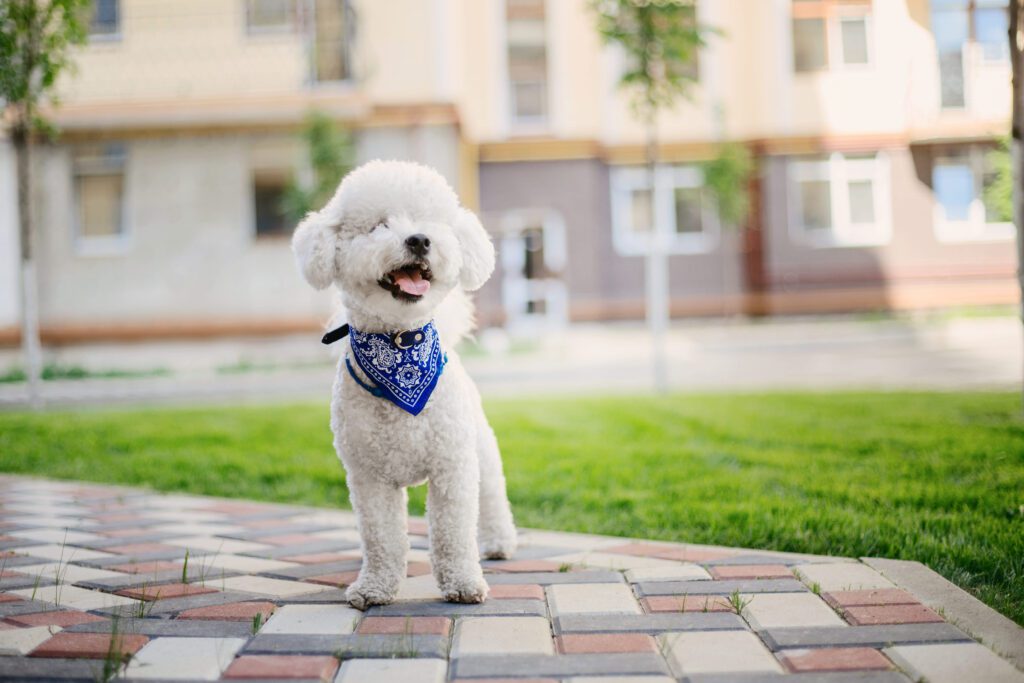

The Bichon Frise is a cheerful companion with a bright spirit and a soft, low-shedding coat. This breed loves people, enjoys gentle play, and thrives on daily interaction. A Bichon Frise fits well in many Connecticut homes because the breed adapts to apartments and suburban living and does not need intense exercise to stay happy.
Thoughtful research helps you choose a dog that matches your energy, schedule, and grooming budget. Adoption is a compassionate path that opens your home to a dog in need while also reducing demand for commercial breeding. Adopters often receive helpful support and health records, which can make the first weeks smoother.
Connecticut’s four-season climate suits a Bichon Frise when you plan for comfort. Winters can be cold and icy, so a warm coat and paw protection are important during walks. Summers along the coast can be humid, so regular brushing prevents matting and keeps the coat clean. Many towns offer walkable neighborhoods and nearby green spaces, which give this small dog the short daily outings that support good behavior and overall health.
You can avoid searching local shelters and rescues separately by starting with Dog Academy. You can browse adoptable Bichon Frises, filter by location, and use helpful guides and checklists to prepare your home and schedule. You can also look at local animal shelters, regional rescues, and breed-specific rescue groups that serve Connecticut and nearby states.
Begin by reviewing listings to learn about age, temperament, medical history, and current training. Read descriptions carefully and confirm how the dog handles children, other pets, and time alone. A Bichon Frise usually seeks close companionship and may feel stressed when left for long hours, so your routine should include mid-day breaks or pet care support.
Most groups ask you to submit an application with references, proof of residence, and landlord approval if you rent. Many groups schedule a phone interview to discuss your lifestyle and expectations. Next comes a meet-and-greet to gauge compatibility. Some groups request a home check, which can be virtual or in person, to confirm safety, secure fencing where relevant, and a clean space for rest. Approval timelines usually range from 1 to 3 weeks, though medical holds or popular dogs can extend the wait.
If the right match is not in your town, some rescues arrange transport between locations. Transport is often coordinated by staff or volunteers who drive scheduled routes so dogs can move safely to approved adopters. You still complete the full screening process before transport, which protects the dog and supports a stable placement.

|
How Much Does It Cost to Adopt a Bichon Frise in Connecticut?In Connecticut, most adopters can expect to pay about $300 to $550 to adopt a Bichon Frise. Puppies and highly sought adults may be at the top of that range, while seniors or dogs with special needs may be lower because groups prioritize timely placements. Fees reflect age, current training, recent medical care, and local demand for small hypoallergenic breeds. Adoption fees usually include spaying or neutering, vaccinations, microchipping, and veterinary exams. Fees may also reflect dental cleanings, grooming to remove mats, and any medications that support recovery or ongoing comfort. These services represent real costs for shelters and rescues, which is why fees vary from dog to dog. |
How Should I Train a Bichon Frise?A Bichon Frise learns quickly when training feels fun and consistent. Short sessions, clear cues, and food or play rewards keep focus high. This breed reads human emotion closely, so calm praise and gentle handling build trust and speed progress. Common challenges include house training, alert barking, and frustration when left alone. Frequent outdoor breaks, a predictable feeding schedule, and reward-based potty routines improve reliability. Teach quiet on cue, reinforce calm behaviors, and provide daily mental enrichment to reduce barking. Practice short departures and gradual increases in alone time to prevent separation stress. For step-by-step help, use Dog Academy’s online training courses. You can follow structured lessons for house training, polite leash skills, crate comfort, and grooming handling so brushing and nail care stay low stress. Consistency across all family members ensures that your Bichon Frise receives the same cues and rewards every day. |

|
The ideal adopter enjoys close companionship, plans for daily walks, and commits to routine grooming. A Bichon Frise suits families with gentle children, retirees who are home often, and city or suburban households that value a friendly indoor companion.
Set yourself up for success by preparing supplies, selecting a veterinarian and groomer, and arranging a realistic schedule for exercise and training. Take your time, ask questions, and use trusted resources so your decision feels confident. When you adopt a Bichon Frise in Connecticut with thoughtful planning, you give a loving dog a safe and happy home for life.

Introducing a new puppy to your current dog is often an exciting process, and many dogs will become fast friends and eas...
Read More
Rescue dogs can make great companions and can transform your home into something better. These dogs make great pets and ...
Read More
You should never rush to pet a dog. Even dog owners make the mistake of approaching unfamiliar dogs and petting them rig...
Read More
Puppy mill dogs are survivors who have endured extreme hardships in their lives. They have grown up in horrendous, unsan...
Read More
With their wagging tails and comforting presence, adopting a dog can add a unique touch to your life. It’s a heart...
Read More
Older dogs may have a few gray hairs around the edges, but that doesn’t mean they can’t make wonderful companions! T...
Read More