


























































































































































































Introducing a new puppy to your current dog is often an exciting process, and many dogs will become fast friends and eas...
Read MoreAdopt Me

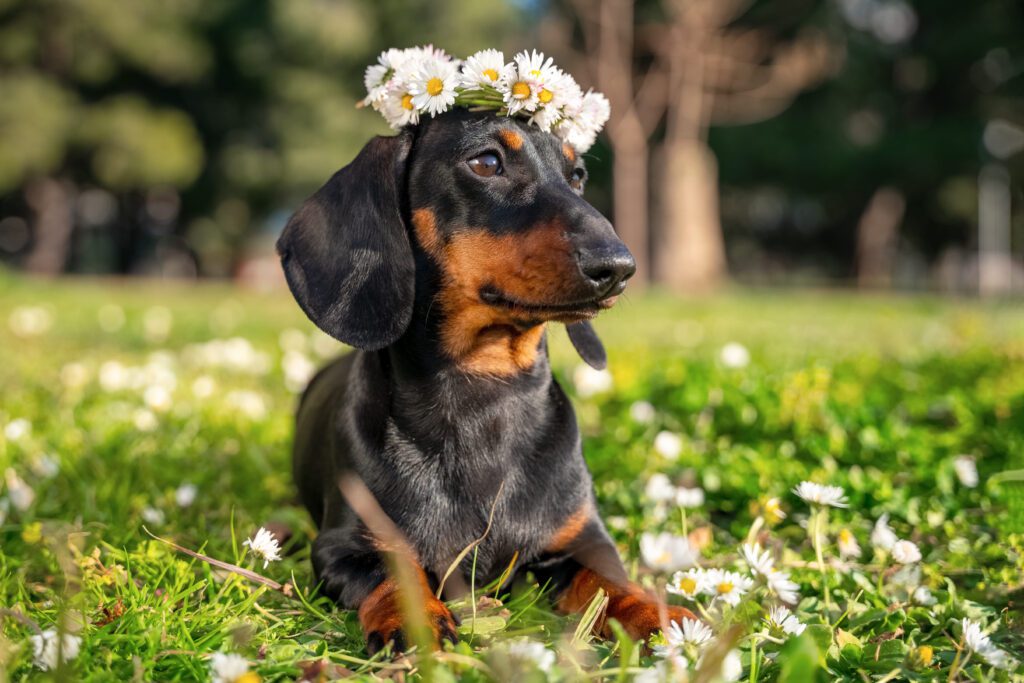
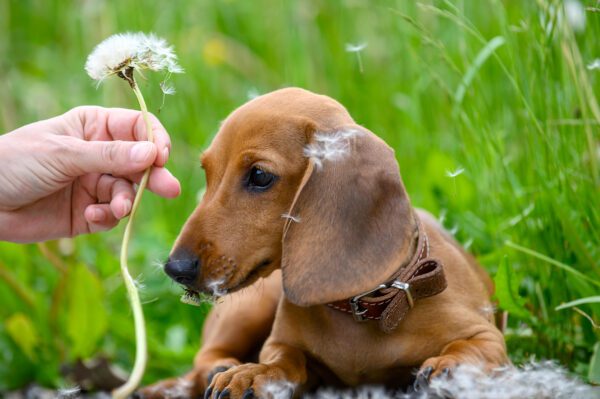
The Miniature Dachshund is a spirited, affectionate, and clever companion. This small hound brings big personality, with a playful streak, a loyal heart, and a curious nose that loves to explore. The breed’s compact size fits many homes, and the cheerful nature makes daily life brighter.
Thorough research leads to a successful adoption. Understanding breed traits, daily needs, and potential challenges helps families prepare for a smooth transition. Adoption gives a deserving dog a second chance and helps reduce irresponsible breeding. Adopted dogs often arrive with essential veterinary care and with behavior notes from fosters, which supports a better match.
Iowa offers a welcoming setting for a Miniature Dachshund when owners plan for the climate and geography. Winters in Iowa are cold and snowy, so a warm coat, short outdoor trips, and careful salt-free paw care keep a small dog comfortable. Summers are humid and hot, so shade, fresh water, and cooler walk times protect a long-backed body from heat stress. Iowa’s mix of neighborhoods, small towns, and rural spaces suits short daily walks on flat paths, yard sniffing with secure fencing, and plenty of indoor enrichment.
You can avoid searching for rescues and shelters separately by using the adoption listings available through Dog Academy. The platform helps you browse available Miniature Dachshunds in one place, which saves time and streamlines your search. You can also use Dog Academy resources for educational guides and adoption checklists that explain each step and help you prepare your home.
In Iowa, you can find adoptable Miniature Dachshunds through local animal shelters, regional rescues, and breed-specific rescue groups. Many groups place dogs in foster homes, which means you can review detailed behavior notes, daily routines, and house manners. Some organizations accept out-of-area adopters. When a match is not local, rescues sometimes arrange transport to move dogs between states or across regions, and they may use volunteer drivers or licensed carriers to complete safe handoffs.
The adoption process usually starts by browsing listings and reading each profile carefully. A strong profile explains age, size, health status, temperament, and lifestyle needs. When you see a good match, you complete an application that asks about your home, schedule, experience, and veterinary references. You may be asked for landlord approval if you rent and for proof of a secure yard if the dog is an escape risk.
After an initial review, most groups schedule meet-and-greets to confirm that the dog’s energy and temperament fit your family. Home checks verify safe spaces, blocked stairs, and secure fencing for a curious hound. Approval timelines vary, but many Iowa adopters receive decisions within 1 to 3 weeks, depending on the dog’s medical care, the number of applicants, and the availability of foster volunteers. Once approved, you sign an adoption contract, pay the fee, and schedule pickup or agree to transport details.
|
How Much Does It Cost to Adopt a Miniature Dachshund in Iowa?Most adopters in Iowa can expect to pay about $300 to $500 to adopt a Miniature Dachshund. Puppies and highly social adults often fall near the top of the range, while seniors and dogs with ongoing medical needs may be closer to the lower end. The fee usually helps cover spaying or neutering, vaccinations, microchipping, and veterinary exams. Costs vary with age, training, medical care, and regional demand. A dog that arrives already house trained or crate trained can be priced higher because training time is reduced. A dog that received dental work or specialized treatment can carry a higher fee to offset care. High interest in this small breed can also increase pricing during peak seasons. |
How Should I Train a Miniature Dachshund?The Miniature Dachshund is intelligent and eager to engage, yet independence can appear during training. Short, upbeat sessions work best, using food rewards and clear markers to reinforce success. Positive reinforcement builds trust and reduces stubborn behavior, which sets the stage for reliable cues and polite manners. House training can take extra time because small bladders and cold Iowa mornings increase accidents. Frequent outdoor trips, a consistent schedule, and careful supervision speed progress. Barking and digging come from natural hunting instincts, so you can channel energy with nose work games, puzzle feeders, and daily sniff walks on safe routes. Protect the long back by teaching a gentle “off” cue, using ramps near furniture, and avoiding high-impact jumping on hard floors. Leash training, recall, and calm greetings keep a curious hound safe in busy neighborhoods and at rural trailheads. If you want structured guidance, you can follow step-by-step lessons through Dog Academy’s online training courses. These programs show you how to reward good choices, prevent problem behaviors, and create consistent routines that fit your schedule. |
|
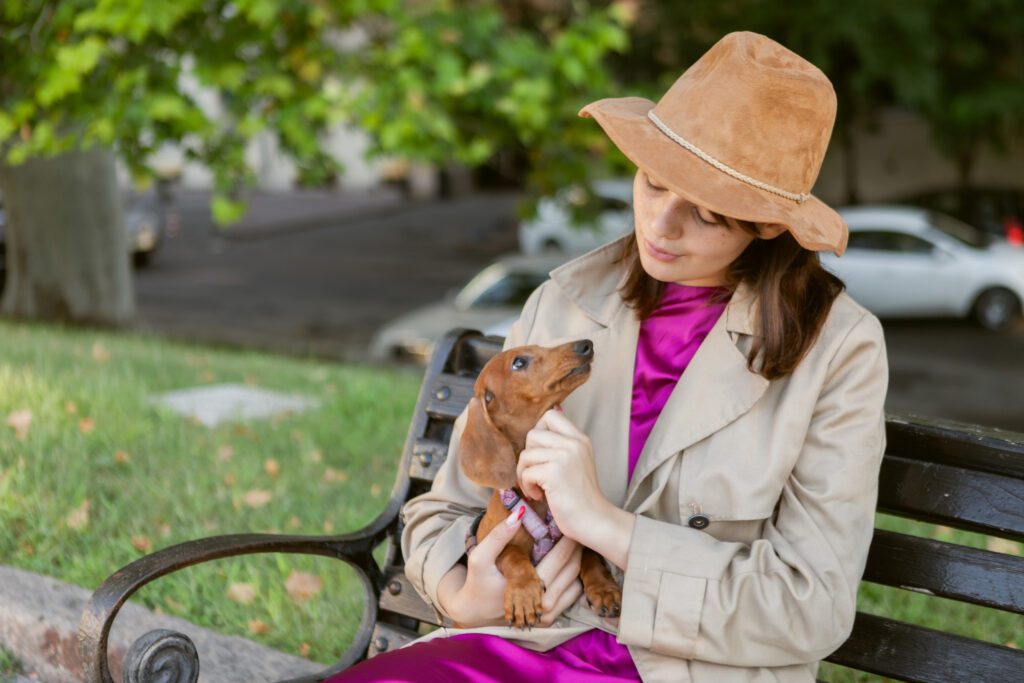
The ideal owner for a Miniature Dachshund is patient, consistent, and ready to manage a small dog with big opinions. Daily walks, mental enrichment, careful back protection, and a warm bed help this breed thrive in Iowa weather. A family that enjoys training games and cozy couch time will find a devoted friend.
Preparation leads to a lifetime match. Gather supplies, research the breed, and plan for climate needs before you apply. Take your time, ask clear questions, and lean on trusted resources. With steady effort and thoughtful choices, you can adopt a Miniature Dachshund in Iowa and welcome a cheerful companion into your home.

Introducing a new puppy to your current dog is often an exciting process, and many dogs will become fast friends and eas...
Read More
Rescue dogs can make great companions and can transform your home into something better. These dogs make great pets and ...
Read More
You should never rush to pet a dog. Even dog owners make the mistake of approaching unfamiliar dogs and petting them rig...
Read More
Puppy mill dogs are survivors who have endured extreme hardships in their lives. They have grown up in horrendous, unsan...
Read More
With their wagging tails and comforting presence, adopting a dog can add a unique touch to your life. It’s a heart...
Read More
Older dogs may have a few gray hairs around the edges, but that doesn’t mean they can’t make wonderful companions! T...
Read More