



























































































































































































Introducing a new puppy to your current dog is often an exciting process, and many dogs will become fast friends and eas...
Read MoreAdopt Me




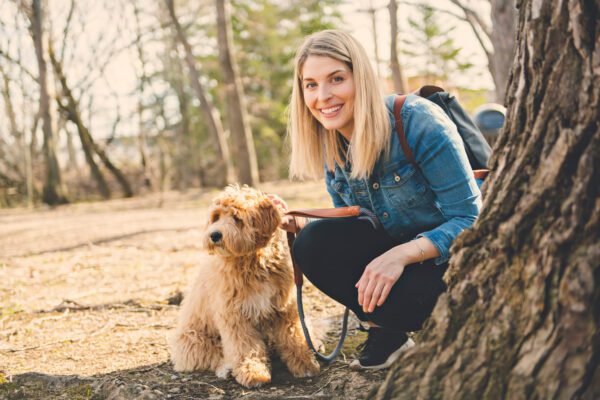
The Mini Labradoodle blends the friendliness of a Labrador Retriever with the intelligence and low-shedding coat of a Miniature Poodle. The result is a small, social, and highly trainable companion that thrives on affection and daily activity. Many families choose this breed for its people-focused nature, quick learning, and adaptable size that fits city apartments and suburban homes.
Research matters before you adopt a Mini Labradoodle in North Carolina. Coat types vary from wavy to curly and need routine brushing and professional grooming to stay healthy. Energy levels are usually high, and most dogs need 60 to 90 minutes of exercise each day, plus mental enrichment. A good match happens when you understand grooming needs, exercise requirements, and the time required for training and socialization.
Adoption gives a dog a second chance and supports community-based animal welfare. It also provides strong value because most dogs come vetted and ready to join your home. North Carolina’s climate includes hot, humid summers and mild winters, which suits this breed if you manage heat with shade, water, and rest. The state’s coast, piedmont, and mountain regions offer hikes, neighborhood walks, and calm beach days, though you must monitor for ticks, sand irritation, and heat. Busy urban areas also work well when you plan regular walks, use puzzle toys, and build a consistent routine.
You can avoid searching shelters and rescues separately by using Dog Academy. The adoption listings help you browse available Mini Labradoodles across North Carolina, and the educational guides and adoption checklists help you prepare for each step. This approach saves time while keeping your focus on fit, readiness, and responsible ownership.
Start by exploring local animal shelters, regional rescues, and breed-specific rescue groups that serve North Carolina. Foster-based networks often post detailed notes on temperament, energy level, and house manners, which helps you match your lifestyle with the right dog. A broad search across nearby areas can expand your options when local availability is limited. Transport is often arranged by rescues to move dogs between locations after an approved adoption, and coordinators manage schedules, routes, and safety.
The process usually begins with browsing listings and submitting an application. Applications typically ask about your schedule, experience, fencing, and veterinary care for current pets. Many groups follow with a phone interview to clarify expectations and set realistic training and care plans. You then attend a meet-and-greet to confirm compatibility with all family members and any resident dogs or cats.
Most organizations complete a home check to ensure safety and readiness. Home checks can be virtual or in person and focus on secure doors, safe storage of medications, and a plan for exercise and training. Approval timelines vary based on demand and volunteer capacity, but many decisions happen within 3 to 14 days. Puppies and high-demand dogs may take longer due to multiple applications.
Prepare documents to keep the process smooth. You may need landlord permission if you rent, proof of identity, and veterinary records for current pets. Set up your home with a crate, baby gates, chew-resistant leashes, and food and water bowls. A calm space for decompression helps your new Mini Labradoodle settle in faster.

|
How Much Does It Cost to Adopt a Mini Labradoodle in North Carolina?In North Carolina, expect an adoption fee in the range of $350 to $650 for a Mini Labradoodle. The upper end is common for puppies and young adults due to strong demand and recent veterinary care. Fees usually include spaying or neutering, vaccinations, microchipping, and veterinary exams. Costs vary with age, training history, medical needs, and popularity in your area. Older dogs and dogs with ongoing medical needs may be placed at the lower end to encourage quicker placement, while highly social, well-trained, or younger dogs often sit at the higher end. |
How Should I Train a Mini Labradoodle?The Mini Labradoodle is bright, people-oriented, and eager to learn, which makes training rewarding. Positive reinforcement works best because these dogs respond to praise, treats, and play. Short sessions build engagement, and clear markers like a click or a consistent “yes” make learning fast. Focus on recall, loose-leash walking, and polite greetings to channel energy into good manners. Common challenges include jumping for attention, pulling on leash, and vocalizing when bored or left alone. Prevent problems with structured exercise, daily enrichment, and crate training that feels safe and comfortable. Introduce grooming from day one by pairing brushing and paw handling with rewards. Early socialization builds confidence around new people, dogs, and environments. For a guided plan, explore Dog Academy’s online training courses that offer step-by-step lessons, support for common behavior concerns, and practical practice routines you can use at home. |
|
The ideal owner enjoys daily activity, values consistent training, and commits to regular grooming. Families, active singles, and retirees can all succeed when they provide exercise, structure, and affection. A Mini Labradoodle wants to be near its people, so plan for quality time and mental engagement each day.
Adoption is a thoughtful process and a meaningful commitment. Take your time, ask questions, and prepare your home before you bring your dog home. When you are ready, explore listings through trusted resources, review notes from fosters, and choose the match that fits your routine. With careful research and patient training, you will welcome a Mini Labradoodle that adds joy to every day in North Carolina.

Introducing a new puppy to your current dog is often an exciting process, and many dogs will become fast friends and eas...
Read More
Rescue dogs can make great companions and can transform your home into something better. These dogs make great pets and ...
Read More
You should never rush to pet a dog. Even dog owners make the mistake of approaching unfamiliar dogs and petting them rig...
Read More
Puppy mill dogs are survivors who have endured extreme hardships in their lives. They have grown up in horrendous, unsan...
Read More
With their wagging tails and comforting presence, adopting a dog can add a unique touch to your life. It’s a heart...
Read More
Older dogs may have a few gray hairs around the edges, but that doesn’t mean they can’t make wonderful companions! T...
Read More