



























































































































































































Introducing a new puppy to your current dog is often an exciting process, and many dogs will become fast friends and eas...
Read MoreAdopt Me
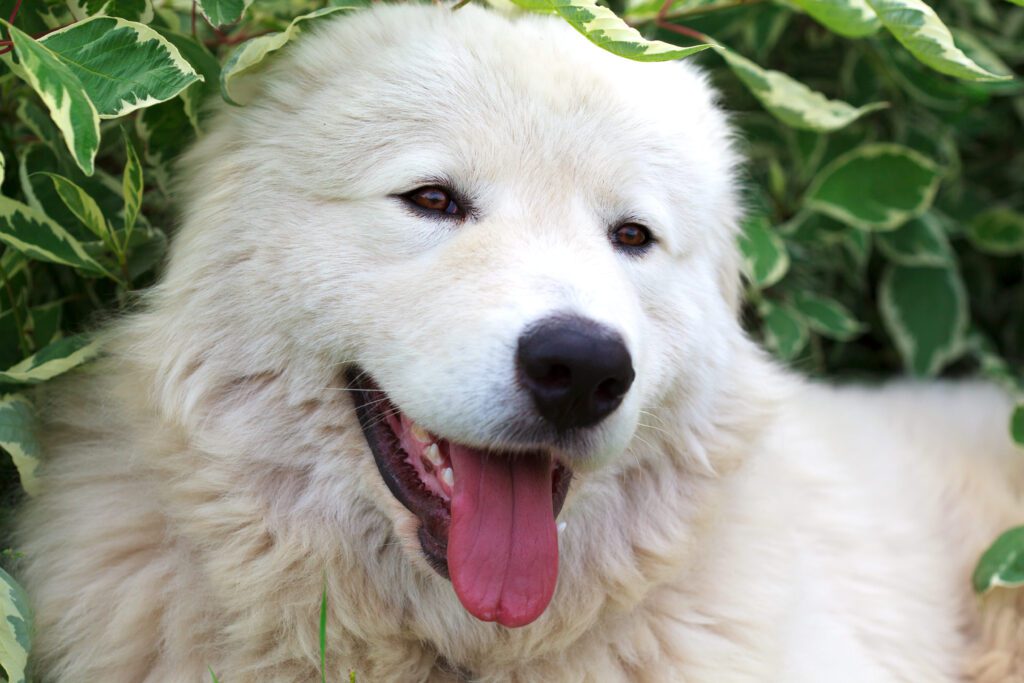


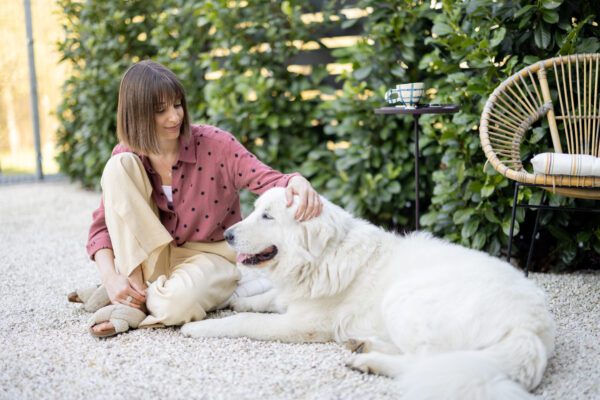
The Maremma Sheepdog is loyal, calm, and deeply protective. This breed was developed to guard flocks and families, so it forms strong bonds and makes thoughtful choices. Many people love the Maremma for its steady temperament and watchful nature. Careful research matters because the Maremma is independent and works best with structure, space, and clear rules.
Adoption is a smart way to welcome this breed. You help a dog in need, you support ethical rescue work, and you usually receive a dog that already has core veterinary care. Buying often overlooks dogs that are waiting in shelters or rescues. Adoption focuses on the right match, not a quick sale, which helps set everyone up for long-term success.
South Carolina offers both opportunities and challenges for a Maremma. The state has hot and humid summers, mild winters, and a mix of coastal plains, rolling Piedmont, and foothill areas. Rural properties and larger fenced yards can suit a guardian breed that likes to patrol. The thick double coat can handle winter cold, yet it needs thoughtful care in summer. Shade, fresh water, cool rest areas, and exercise during cooler hours help a Maremma stay comfortable and healthy.
You can skip searching shelters and rescues one by one by browsing Dog Academy. The adoption listings let you filter by breed and location, which saves time and keeps your research organized. Dog Academy also provides educational guides and checklists so you understand what to expect before, during, and after adoption.
Start by checking local animal shelters, regional rescues, and breed-specific rescue groups. Listings usually include age, size, temperament notes, and any known history. Read carefully and compare your lifestyle to the dog’s needs. A Maremma often thrives with a secure yard, a calm routine, and owners who can guide an independent thinker.
Once you find a potential match, you submit an application. Applications typically ask about your home, your schedule, your experience with large or guardian breeds, and your plan for training and veterinary care. Many groups contact references and confirm landlord approval when needed. Approval can move faster when you provide complete information and respond quickly to follow-up questions.
Next you arrange a meet-and-greet. This can take place at a shelter, a foster home, or a neutral location. Some groups include a home check to confirm safety, secure fencing, and space for exercise. A home check can be in person or virtual with photos and video. Many adopters hear back within 1 to 3 weeks, depending on scheduling, the dog’s medical timeline, and the number of applications. Some groups offer foster-to-adopt, which means the dog lives with you while final vetting or paperwork finishes, and the adoption is completed after a set period.
If the right dog is outside your area, ask about transport. Transport is often arranged by rescues to move dogs between states or regions when a strong match is found. Transport can involve volunteer drivers or professional services, and a modest fee may be added to cover fuel, supplies, and coordination.
|
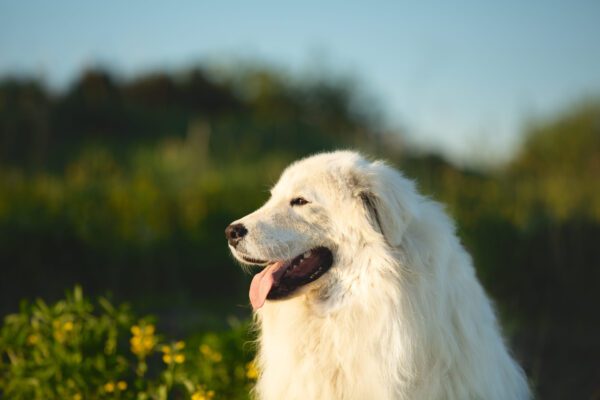
How Much Does It Cost to Adopt a Maremma Sheepdog in South Carolina?Most adopters in South Carolina can expect a fee between $300 and $500 for a Maremma Sheepdog. The fee often reflects the dog’s age, training level, recent medical care, and current demand for the breed. Puppies and young adults tend to cost more, while seniors may cost less. Dogs that arrive already house trained or leash trained can also be priced higher because they require fewer resources post-adoption. Adoption fees usually include spaying or neutering, vaccinations, microchipping, and veterinary exams. Some groups also include deworming and heartworm testing. You may see an added fee for transport when a dog travels from another area. The value of this care typically exceeds the fee, which helps rescues cover costs while keeping adoption accessible. |
How Should I Train a Maremma Sheepdog?The Maremma Sheepdog is intelligent and thoughtful, yet it is also independent. This breed was bred to make decisions without constant direction, which can look like stubbornness to new owners. Positive reinforcement works best. Use clear cues, high-value rewards, short sessions, and a calm tone. Harsh corrections can damage trust and reduce responsiveness. Focus on foundation skills that support real life. Teach reliable recall, loose-leash walking, a strong stay, and a quiet cue to manage alert barking. Socialize with controlled exposure to people, calm dogs, livestock, and new environments. Mental work is important for a guardian breed. Try scent games, pattern games, and structured perimeter walks that give the dog a sense of purposeful activity. Consistent training builds cooperation. Set house rules, keep a predictable routine, and provide a secure yard so the dog can stretch its legs safely. If you want expert guidance, explore Dog Academy’s online training courses. The lessons show you how to reinforce good choices, prevent problems, and shape a confident, well-mannered companion. |
|
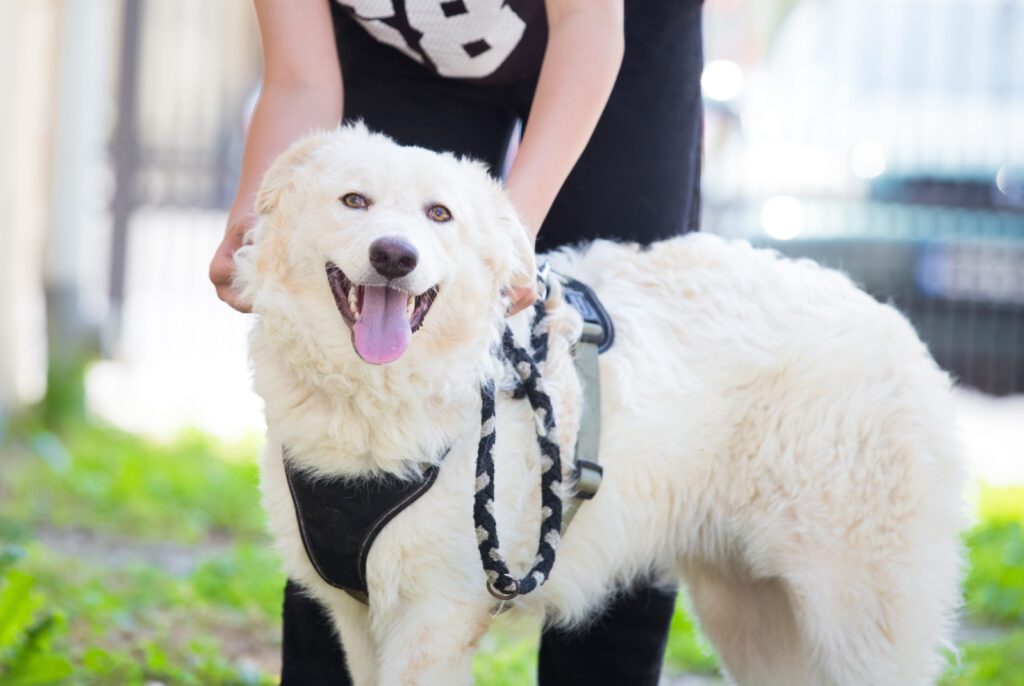
A Maremma Sheepdog fits best with an adopter who enjoys calm routines, values training, and has space for a large guardian breed. A rural or suburban home with a secure yard is ideal. Daily exercise, mental enrichment, and steady leadership help this breed shine.
Take your time, prepare your home, and learn as much as you can before you adopt. Use adoption listings, ask thoughtful questions, and be honest about your lifestyle. The right match makes life better for you and for the dog. With patience and preparation, you can adopt a Maremma Sheepdog in South Carolina and build a loyal partnership that lasts for years.

Introducing a new puppy to your current dog is often an exciting process, and many dogs will become fast friends and eas...
Read More
Rescue dogs can make great companions and can transform your home into something better. These dogs make great pets and ...
Read More
You should never rush to pet a dog. Even dog owners make the mistake of approaching unfamiliar dogs and petting them rig...
Read More
Puppy mill dogs are survivors who have endured extreme hardships in their lives. They have grown up in horrendous, unsan...
Read More
With their wagging tails and comforting presence, adopting a dog can add a unique touch to your life. It’s a heart...
Read More
Older dogs may have a few gray hairs around the edges, but that doesn’t mean they can’t make wonderful companions! T...
Read More