



























































































































































































Introducing a new puppy to your current dog is often an exciting process, and many dogs will become fast friends and eas...
Read MoreAdopt Me
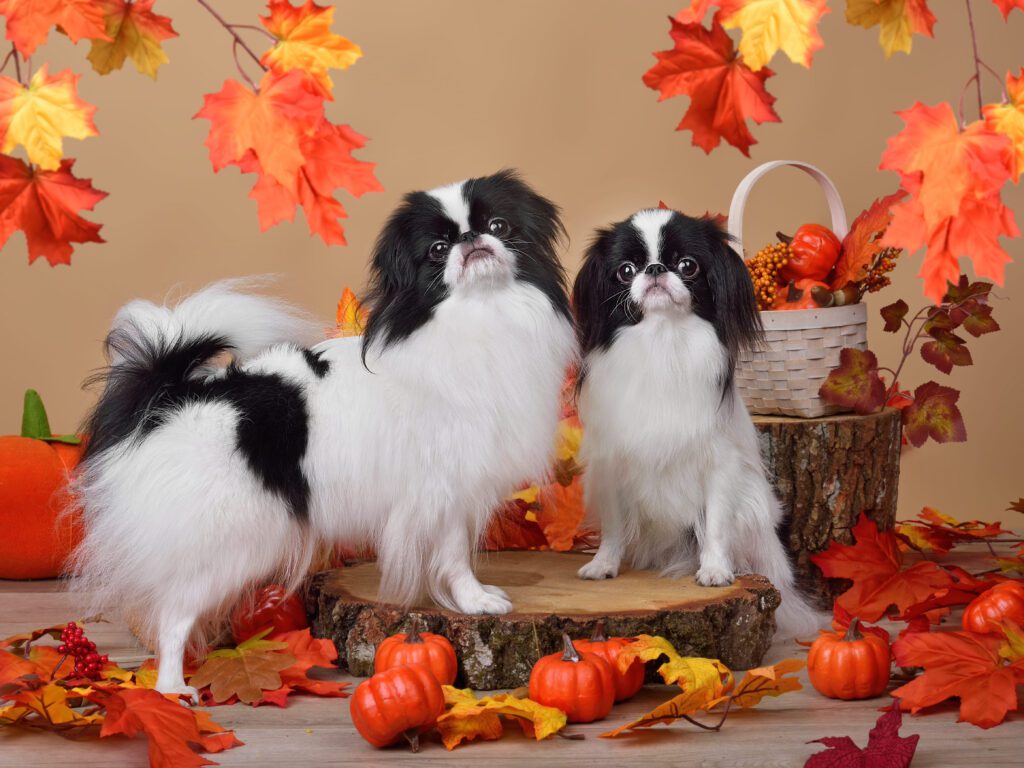


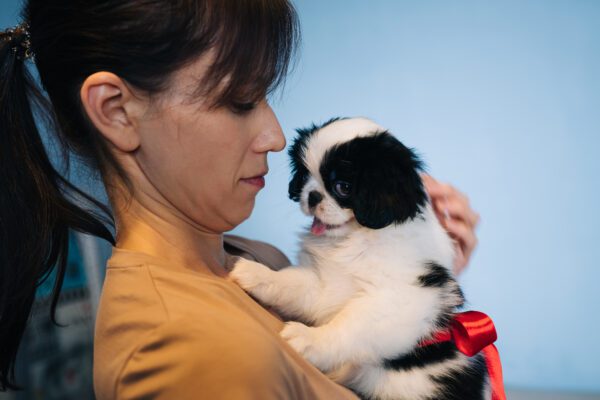
The Japanese Chin is a small companion dog with a gentle heart and a lively spirit. This toy breed bonds closely with its family, enjoys quiet time on the sofa, and delights visitors with graceful charm. A Japanese Chin thrives on closeness, prefers soft handling, and often shows a cat-like love of perching and watching the room. Careful research before adoption helps you match this sensitive breed to your home and schedule.
Adoption gives a dog a second chance while supporting responsible animal welfare. Choosing to adopt a Japanese Chin also often means your new companion has completed core veterinary care through the organization. South Carolina life can fit a Chin well, but planning matters. The state’s humid summers can strain a brachycephalic dog that has a short muzzle, so indoor living and air conditioning are important. Mild winters, plentiful green spaces, and a friendly community pace support short daily walks and calm routines.
South Carolina’s geography includes coastal flats, pine forests, lakes, and hilly Upstate areas. Heat, humidity, and insects are consistent across the state, so a Chin needs year-round parasite prevention and shaded outings. This breed prefers shorter strolls on cooler mornings and evenings. A quiet apartment or a calm suburban home suits a Chin that loves companionship and low-impact play.
You can avoid searching rescues and shelters one by one by using Dog Academy’s adoption listings. Browse available dogs, save favorites, and follow a clear process on Dog Academy. You can also check local animal shelters, regional rescues, and breed-specific rescue groups for Japanese Chin and Japanese Chin mixes. Reading each listing carefully helps you understand age, temperament, medical history, and any special needs.
The process usually starts with browsing listings, then submitting an application that includes your household details, schedule, and veterinary history if you have pets. Many organizations request personal references, landlord approval when you rent, and proof of readiness such as photos of your yard or living space. Clear, complete answers speed review and show that you understand the breed’s needs, including heat management and gentle handling.
After a preliminary review, most groups arrange a meet-and-greet so you can interact with the dog. Some meet-and-greets happen at a shelter, at a foster home, or in a neutral public place. A home check often follows. This step can be virtual or in person and confirms safety items like secure doors, safe stairs, and a climate-controlled area for rest. Approval timelines vary by organization and volunteer schedules, though many decisions occur within 1 to 3 weeks.
If the right dog is not located nearby, do not worry. Rescues sometimes arrange transport between locations to move dogs from foster homes to approved adopters. Transport is typically a coordinated relay or a professional ride that follows a set route and schedule, and adopters receive detailed pickup instructions. You may be asked to contribute a modest transport fee, and you should bring a properly sized crate and a secure harness for a safe trip home.
|
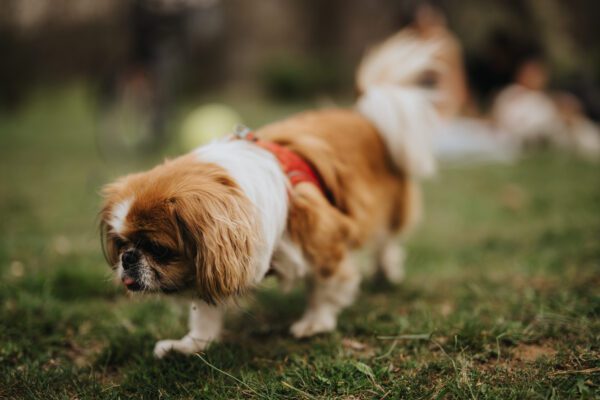
How Much Does It Cost to Adopt a Japanese Chin in South Carolina?Most adopters in South Carolina can expect to pay about $200 to $450 to adopt a Japanese Chin from shelters or rescues. Fees vary with age, medical care, and demand. Young adults often sit near the middle of the range, while puppies and small healthy females sometimes cost more due to high interest. Seniors or dogs with manageable medical needs can cost less, though recent dental work or eye care can raise the fee. Adoption fees usually include spaying or neutering, vaccinations, microchipping, and veterinary exams. Some groups also include a starter bag of food or a collar and ID tag. Training history, such as house training or basic manners, can influence pricing because prepared dogs require fewer immediate resources. Geography inside the state can also affect costs when demand is high in a dense metro area. |
How Should I Train a Japanese Chin?The Japanese Chin is intelligent and eager to please, but the breed can be sensitive and a little independent. Short, upbeat training sessions work best. Use gentle voice cues, soft handling, and high-value treats to reward calm behavior. Positive reinforcement builds confidence and encourages this delicate breed to try new skills. House training can take time because small dogs have small bladders, so provide frequent outdoor breaks and a consistent schedule. Focus on polite greetings, loose-leash skills, and a reliable recall inside the home. Add daily mental enrichment with scent games and puzzle toys, which tire a Chin without overheating. Teach cooperative care, including brushing, face cleaning, and nail trims, so grooming stays stress free. For step-by-step guidance you can follow at home, explore Dog Academy’s online training courses. The lessons show you how to structure sessions, measure progress, and solve common toy-breed challenges with confidence. |
|
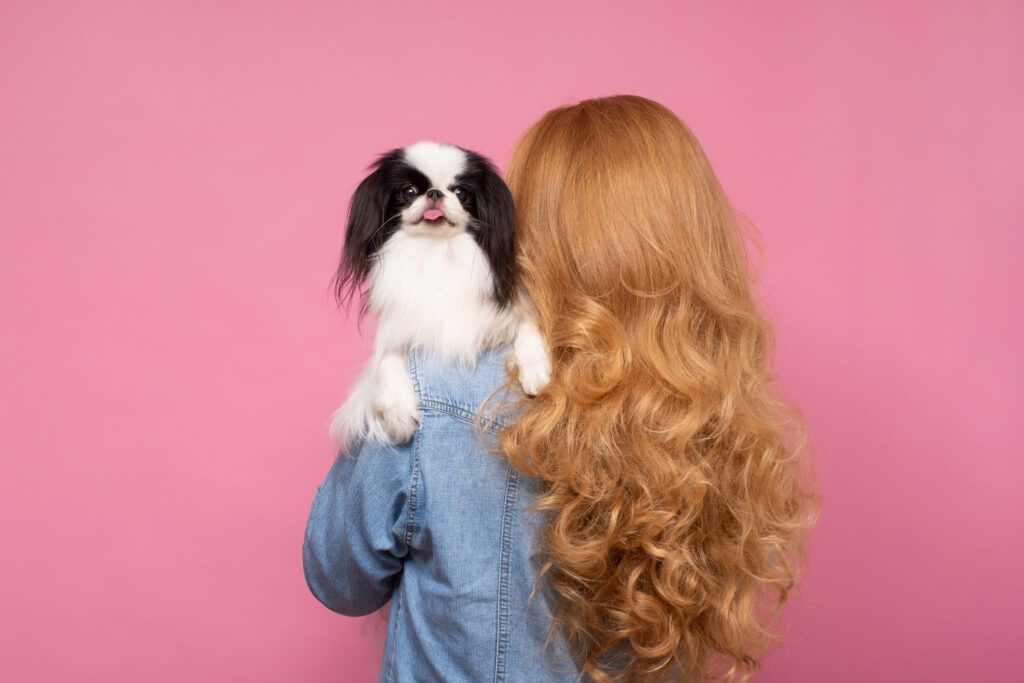
The ideal adopter enjoys quiet companionship, gentle play, and a home routine that keeps a Chin cool and comfortable. A Japanese Chin suits apartments and townhomes and fits families with respectful children who understand soft handling. This breed also makes a wonderful companion for seniors and remote workers who can provide frequent company.
Preparation leads to a smooth transition. Set up climate control, choose a soft harness, and plan short walks at cooler times of day. Take your time, ask clear questions, and confirm care plans before you bring your new dog home. When you are ready to adopt a Japanese Chin in South Carolina, start with accurate listings and trusted guidance so you can welcome the right companion with confidence.

Introducing a new puppy to your current dog is often an exciting process, and many dogs will become fast friends and eas...
Read More
Rescue dogs can make great companions and can transform your home into something better. These dogs make great pets and ...
Read More
You should never rush to pet a dog. Even dog owners make the mistake of approaching unfamiliar dogs and petting them rig...
Read More
Puppy mill dogs are survivors who have endured extreme hardships in their lives. They have grown up in horrendous, unsan...
Read More
With their wagging tails and comforting presence, adopting a dog can add a unique touch to your life. It’s a heart...
Read More
Older dogs may have a few gray hairs around the edges, but that doesn’t mean they can’t make wonderful companions! T...
Read More