




























































































































































































Introducing a new puppy to your current dog is often an exciting process, and many dogs will become fast friends and eas...
Read MoreAdopt Me

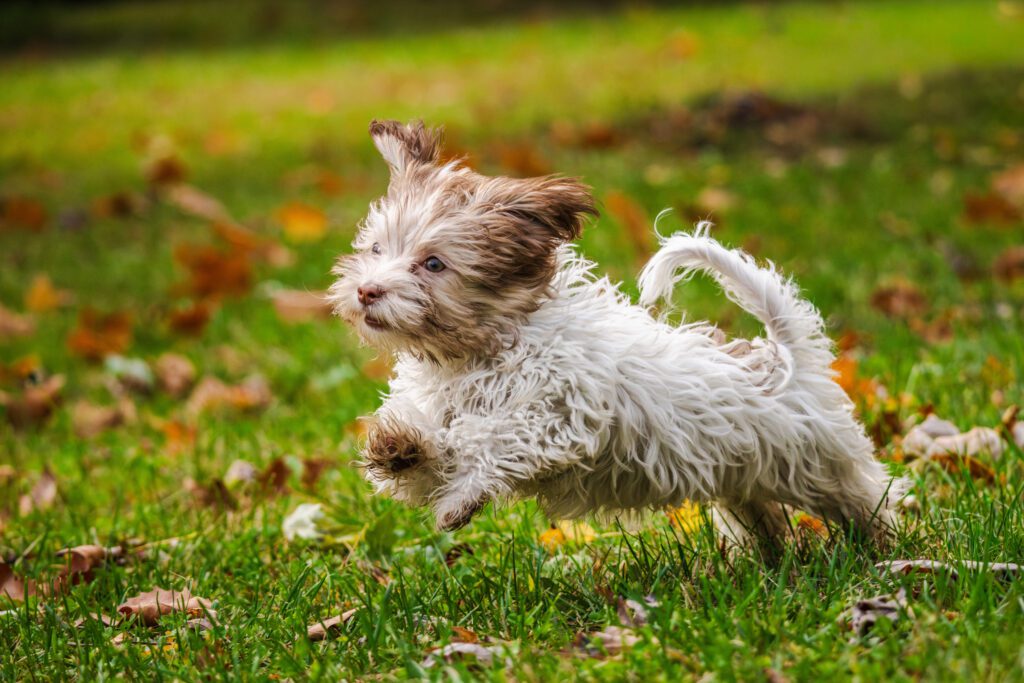
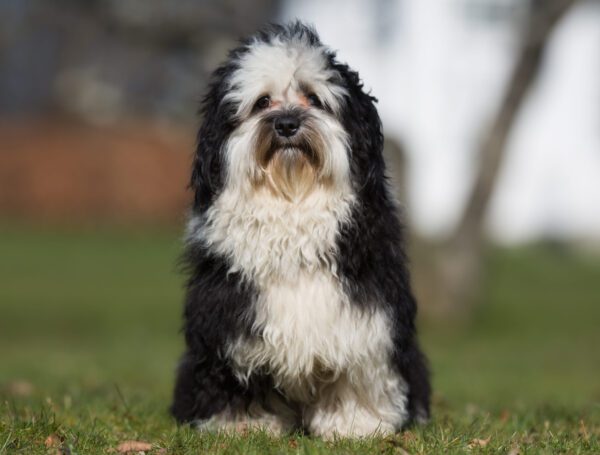
The Havanese is a cheerful, people-focused companion that loves to be near the family. This small dog is playful, intelligent, and affectionate. The breed sheds very little and often suits people who prefer a tidy home. Many families choose to adopt a Havanese in North Carolina because the breed fits apartments, townhomes, and single-family houses. The size is ideal for city living, and the temperament is gentle enough for calm households with children who handle dogs respectfully.
Research matters before adoption. North Carolina summers feel hot and humid, which means a Havanese needs shade, fresh water, and indoor cooling on warm days. Winters are usually mild across the coast and Piedmont, with colder snaps in the mountains. Short daily walks and indoor play keep this breed happy, and light hikes on cooler mornings work well. Regular grooming helps the coat stay clean in humid weather. Adoption is preferable to buying because adoption saves a life, supports animal welfare, and often provides a dog with a known temperament and completed veterinary care. Careful planning helps the dog settle into a safe, comfortable North Carolina home.

|
How Do You Adopt a Havanese in North Carolina?You can skip separate searches of rescues and shelters by starting with Dog Academy. The adoption listings gather available dogs from multiple sources and make it easy to filter for breed, age, and location. Dog Academy also offers educational guides and an adoption checklist that explain how to prepare your home, what questions to ask, and how to evaluate a match. Adoptable Havanese and Havanese mixes appear through local animal shelters, regional rescues, and breed-specific rescue groups. Many groups use foster homes, which gives you helpful notes on behavior in a real household. Begin by browsing listings and reading full bios. Look for details about energy level, comfort with children, comfort with other pets, medical history, and grooming needs. Ask follow-up questions so you understand the dog’s daily routine and any training in progress. Most organizations use a written application. The application typically asks about your schedule, your home setup, your experience with dogs, your plan for training, and your budget for care. Landlord permission is required for renters, and veterinary references may be requested for current or past pets. Clear answers help the team make a good match and speed up review. After the application, you usually complete a meet-and-greet. Some groups host in-person meetings, and some arrange virtual meetings for foster-based dogs. A home check may follow. The home check confirms that the space is safe, that gates latch securely, and that the dog can rest in a quiet area. Approval can take a few days to 2 weeks, depending on volunteer availability and reference checks. If the right Havanese is located outside your area, rescues sometimes arrange transport to move dogs between locations. Transport can involve volunteer drivers or licensed carriers, and a modest transport fee may apply to cover fuel and health certificates. |
How Much Does It Cost to Adopt a Havanese in North Carolina?Most adopters in North Carolina pay about $200 to $450 to adopt a Havanese. Fees vary by age, training, medical history, and local demand. Younger dogs and high-demand small breeds often sit at the upper end of the range. Seniors and special-needs dogs may be lower when groups seek faster placements with committed adopters. Adoption fees usually include spaying or neutering, vaccinations, microchipping, and veterinary exams. Fees can also reflect heartworm testing, preventatives, dental care for older dogs, and grooming before placement. Training completed in foster care can raise costs slightly. Transport arranged by a rescue may be billed separately and is usually disclosed in advance. |

|
The Havanese is bright, eager to please, and sensitive to tone. Positive reinforcement works best. Use short sessions, soft voices, and many rewards. Early socialization builds confidence with visitors, sounds, and new surfaces. House training can take extra time due to small bladder capacity. Frequent outdoor breaks and a consistent feeding schedule help. Many Havanese alert-bark, which means you should reward quiet behavior and teach a reliable settle cue.
Prevent separation stress by creating a calm routine. Practice short departures, give safe chew items, and reward relaxed behavior when you return. Crate training helps with travel and safety. For step-by-step support, explore Dog Academy’s online training courses. The courses cover puppy foundations, rescue decompression, house training, loose-leash walking, polite greetings, and enrichment that suits a smart companion breed.
The ideal adopter enjoys a close companion, provides daily interaction, and keeps a tidy, climate-aware home. Families with respectful children, retirees, and remote workers often thrive with a Havanese. Prepare supplies in advance, plan for regular grooming, and set a training routine for the first 2 weeks. Take your time, ask detailed questions, and trust the process. Thoughtful research and patient adoption steps will help you adopt a Havanese in North Carolina and welcome a healthy, happy new family member.

Introducing a new puppy to your current dog is often an exciting process, and many dogs will become fast friends and eas...
Read More
Rescue dogs can make great companions and can transform your home into something better. These dogs make great pets and ...
Read More
You should never rush to pet a dog. Even dog owners make the mistake of approaching unfamiliar dogs and petting them rig...
Read More
Puppy mill dogs are survivors who have endured extreme hardships in their lives. They have grown up in horrendous, unsan...
Read More
With their wagging tails and comforting presence, adopting a dog can add a unique touch to your life. It’s a heart...
Read More
Older dogs may have a few gray hairs around the edges, but that doesn’t mean they can’t make wonderful companions! T...
Read More