



























































































































































































Introducing a new puppy to your current dog is often an exciting process, and many dogs will become fast friends and eas...
Read MoreAdopt Me



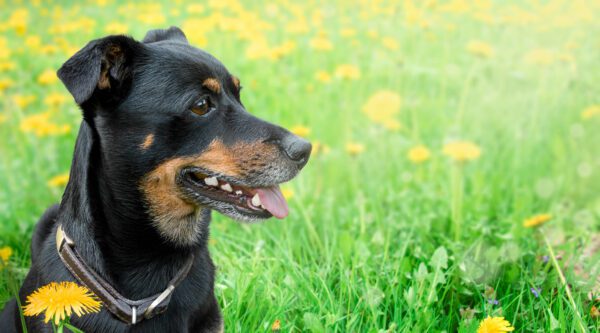
The German Pinscher is an athletic, medium-sized companion with sharp intelligence, quick reflexes, and a loyal nature. This breed thrives on structure and enjoys problem-solving games, brisk walks, and focused training. If you want a confident partner that bonds closely with the family, the German Pinscher delivers a spirited mix of agility and affection.
Research always comes first. Understanding exercise needs, grooming, health considerations, and temperament helps you choose a dog that fits your lifestyle. Adoption is a thoughtful path because you provide a home to a dog in need while benefiting from behavioral insights that shelters and rescues gather during intake and fostering. Many adoptable German Pinschers arrive vetted and ready to join a new family.
Connecticut suits the breed when you plan for weather and activity. Winters can be cold and snowy, which means a warm dog jacket, paw protection from road salt, and indoor enrichment on icy days. Summers are humid, so early morning walks and shade breaks help prevent overheating. Connecticut’s mix of coastal towns, suburban neighborhoods, and wooded trails supports daily exercise and mental stimulation. Apartment living can work if you commit to multiple walks, play sessions, and training every day.
You can skip searching shelters and rescues one by one by browsing adoptable dogs through Dog Academy. Dog Academy organizes breed and location filters so you can quickly review profiles, and it also offers educational guides and adoption checklists to help you prepare your home and schedule.
Start by checking local animal shelters, regional rescues, and breed-specific rescue groups that serve New England. Foster networks sometimes list German Pinschers when individual caretakers are temporarily housing dogs. New dogs arrive often, so set alerts and revisit listings frequently. Read each biography closely to understand age, energy level, medical history, and behavior notes.
When you find a match, complete an application that usually requests identification, references, and proof of housing. Renters are commonly asked for landlord approval. Many groups schedule a phone interview to confirm fit and discuss exercise plans, training strategy, and daily routines. A home check may occur virtually or in person to ensure safe containment, secure fencing or reliable leashing, and a hazard-free environment. Meet-and-greets allow all household members and resident pets to interact with the dog in a controlled setting.
Approval timelines vary by organization and applicant readiness. Most adopters in Connecticut can expect 1 to 3 weeks from application to pickup when paperwork, veterinary records, and scheduling align. If the right German Pinscher is in another region, rescues sometimes arrange transport to move dogs between states. Transport typically involves volunteer drivers or licensed carriers, coordinated handoffs, and a valid health certificate from a veterinarian.
|
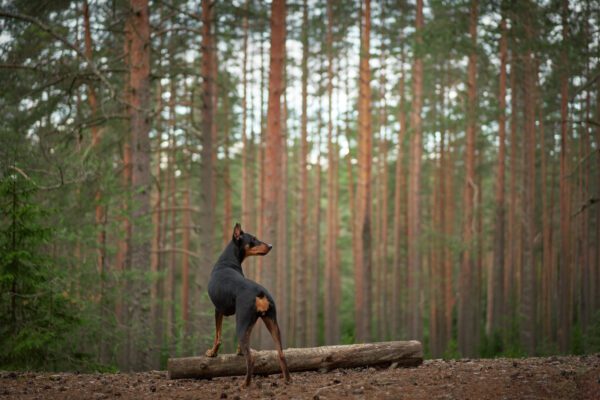
How Much Does It Cost to Adopt a German Pinscher in Connecticut?Most adopters in Connecticut should expect an adoption fee between $350 and $600 for a German Pinscher. Puppies and young adults often sit at the higher end due to demand and recent veterinary work, while seniors may be lower. Costs reflect spaying or neutering, vaccinations, microchipping, and veterinary exams. Fees can also increase when dogs receive dental care, specialized diagnostics, or professional training before placement. Age, training level, and medical care have the greatest impact on price. Demand for the breed in the Northeast can raise fees during peak seasons, while bonded pairs or dogs with ongoing medical needs may be discounted to encourage the right placement. |
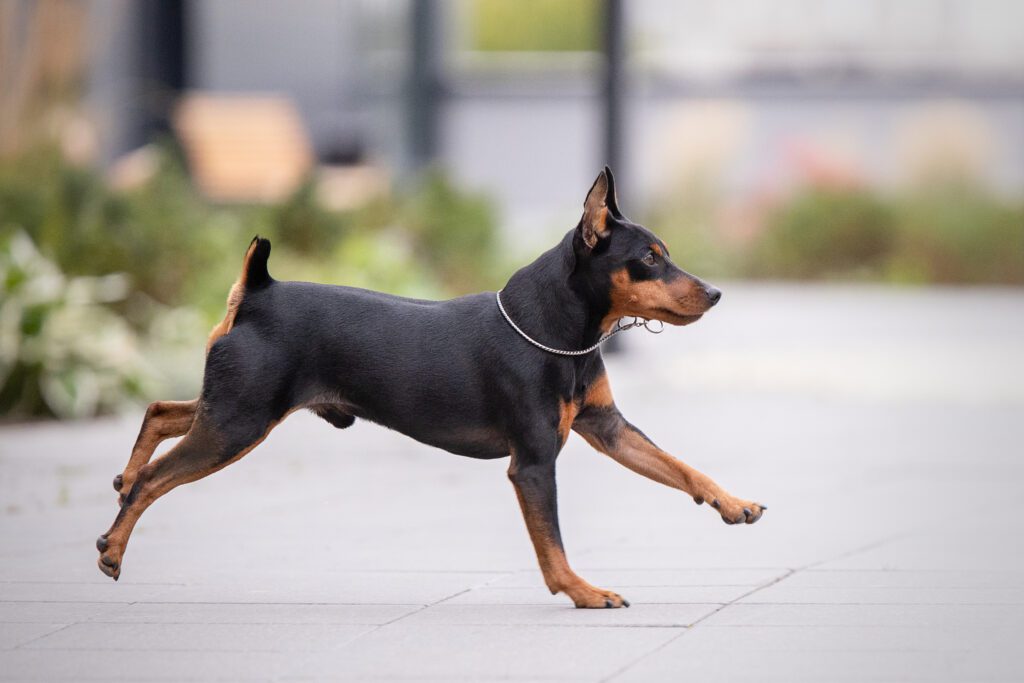
How Should I Train a German Pinscher?The German Pinscher is bright, observant, and eager to work, which makes training efficient when sessions are engaging and clear. This breed excels with short lessons, consistent cues, and rewards that matter, such as high-value treats, play, and praise. Early socialization to people, dogs, sounds, and surfaces builds confidence and reduces reactivity. Common challenges include impulsive chasing, alert barking, and testing boundaries. You can address these behaviors with impulse-control games, structured leash walking, and reliable recall practice. Reward-based methods work best because German Pinschers are sensitive to harsh corrections and respond more strongly to calm guidance. Crate training supports rest and safety, while puzzle feeders and scent games provide daily mental exercise. If you want a step-by-step plan, explore Dog Academy’s online training courses. Lessons cover foundation skills, loose-leash walking, recall, polite greetings, and enrichment routines that fit busy Connecticut lifestyles. |
|
The ideal adopter enjoys daily activity, sets consistent rules, and invests time in training and enrichment. Families with older children or adults who understand canine body language often do well. A secure yard is helpful, yet committed walkers can meet needs with structured outings and indoor games.
Preparation leads to a smooth transition. Gather supplies, schedule a wellness exam, and plan a training routine before pickup. Take your time, ask thoughtful questions, and keep researching until the right match appears. With patience and the right guidance, you can adopt a German Pinscher in Connecticut and welcome a loyal, energetic companion into your life.

Introducing a new puppy to your current dog is often an exciting process, and many dogs will become fast friends and eas...
Read More
Rescue dogs can make great companions and can transform your home into something better. These dogs make great pets and ...
Read More
You should never rush to pet a dog. Even dog owners make the mistake of approaching unfamiliar dogs and petting them rig...
Read More
Puppy mill dogs are survivors who have endured extreme hardships in their lives. They have grown up in horrendous, unsan...
Read More
With their wagging tails and comforting presence, adopting a dog can add a unique touch to your life. It’s a heart...
Read More
Older dogs may have a few gray hairs around the edges, but that doesn’t mean they can’t make wonderful companions! T...
Read More