

























































































































































































Introducing a new puppy to your current dog is often an exciting process, and many dogs will become fast friends and eas...
Read MoreAdopt Me

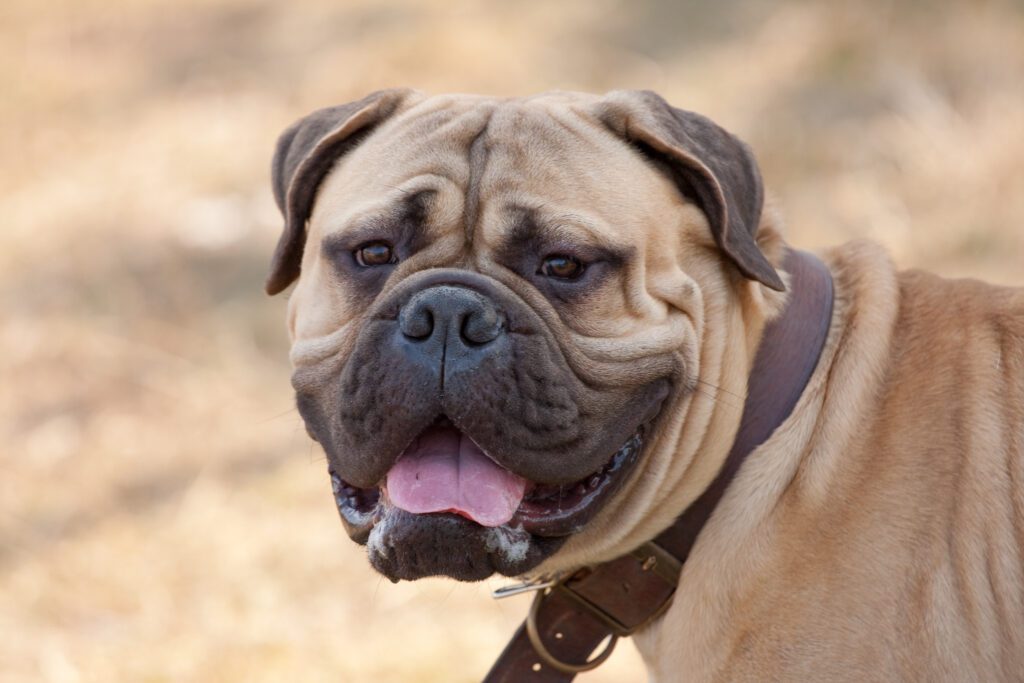


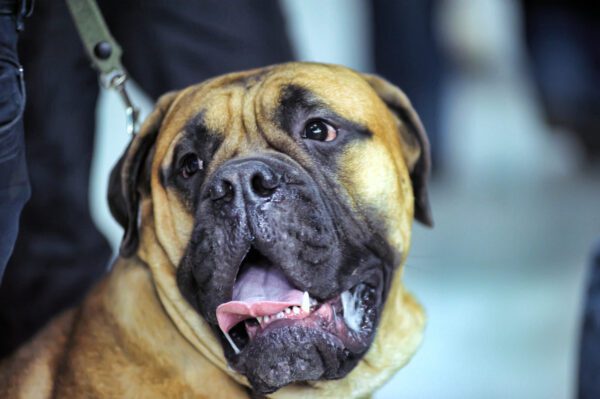
Bullmastiffs are steady, affectionate, and protective. They bond deeply with their families and prefer to stay close to their people. The breed has a calm nature indoors and needs moderate daily exercise along with consistent companionship. Research matters before you adopt because a large guardian breed requires structure, training, and a realistic plan for care.
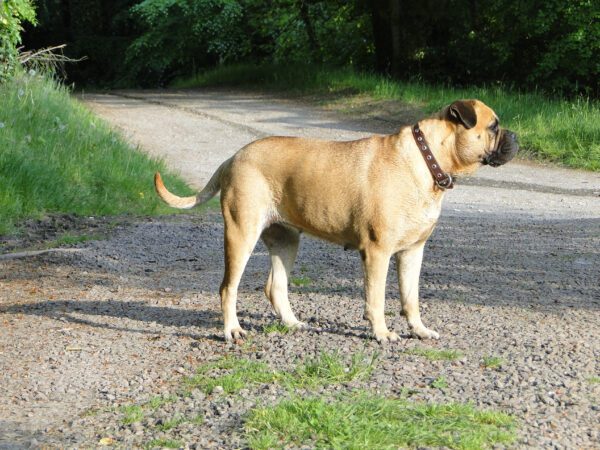
Adoption often provides better insight into a dog’s temperament and health history. It also supports lifesaving work and usually includes essential veterinary care at a fair price. North Carolina can be a great fit for a Bullmastiff when you manage heat and humidity carefully. Summers are hot and muggy across the Piedmont and coastal plain, while mountain areas are cooler. This breed does best with indoor living, air conditioning in summer, and walks during cooler hours. A fenced yard in a suburban or rural setting works well, though committed urban owners can succeed with a good routine and regular training.
Buying on impulse can lead to mismatches. Adoption encourages thoughtful planning, which is important for a powerful dog that can weigh 100 to 130 pounds. With preparation and support, you can give a Bullmastiff a safe, loving home in North Carolina.
You can avoid searching shelters and rescues one by one by starting with Dog Academy. Dog Academy gathers adoptable listings into one place so you can browse available Bullmastiffs across North Carolina. You can also find educational guides and adoption checklists that explain each step and help you prepare your home with confidence.
Look for adoptable dogs through local animal shelters, regional rescues, and breed-specific rescue groups. Read each profile carefully and note age, health status, and behavior notes. Create a short list that fits your lifestyle and experience. The next step is submitting applications. Applications usually ask about your schedule, home setup, fencing, training plans, and veterinary references. Renters are often asked for landlord approval because size and breed policies can affect eligibility.
After you apply, most groups schedule a phone interview to learn more about your goals. Meet-and-greets follow at a shelter, an adoption event, or a foster home. Many groups ask to include all household members and any resident dogs so you can evaluate fit. Home checks are common and may be in person or virtual. A home check confirms safe containment, secure storage for food and medications, and a quiet space for decompression. Approval timelines vary by organization, but most decisions in North Carolina take 3 to 14 days once you complete all steps.
Adoptions across distances are possible. Rescues sometimes arrange transport between locations when the right match is outside your immediate area. Transport is a coordinated service that moves dogs using volunteer drivers or licensed carriers, and it follows set schedules to ensure safety and clear communication at handoff. Once approved, you sign an adoption agreement, pay the fee, and set a pickup date. Plan a calm first week with a crate, potty schedule, and short walks so your Bullmastiff can settle in.
|
How Much Does It Cost to Adopt a Bullmastiff in North Carolina?Most adopters in North Carolina pay about $250 to $450 to adopt a Bullmastiff. The final fee depends on age, training history, recent medical care, and local demand for the breed. Puppies and young adults usually fall on the higher end because their veterinary work and spay or neuter surgeries are recent. Seniors and dogs with ongoing medical needs may be closer to the lower end to encourage the right match. Fees typically include spaying or neutering, vaccinations, microchipping, and veterinary exams. Some groups add heartworm testing, preventative medication, and basic training. Ask for an itemized list so you understand what has been completed and what you should schedule after adoption. Plan for initial supplies and a high-quality diet suited to a large breed, along with routine vet visits to protect joint health and weight. |
How Should I Train a Bullmastiff?Bullmastiffs are intelligent and eager to please, but they can be independent. They respond best to calm leadership, clear boundaries, and short sessions that end on a success. Focus on positive reinforcement with food rewards, praise, and play. Avoid harsh corrections because this breed is sensitive and can shut down when training is inconsistent or unfair. Start early with socialization to people, friendly dogs, and real-life sights and sounds. Teach reliable leash manners, polite greetings, a solid recall, and impulse control at doors and gates. Crate training supports house training and provides a safe resting space. Keep sessions brief and engaging, then practice in different settings around your neighborhood to build reliability. If you want structured guidance at home, explore Dog Academy’s online training courses. These step-by-step lessons cover foundation skills, leash work, impulse control, and calm behavior around distractions, which are all essential for a powerful guardian breed. |
|
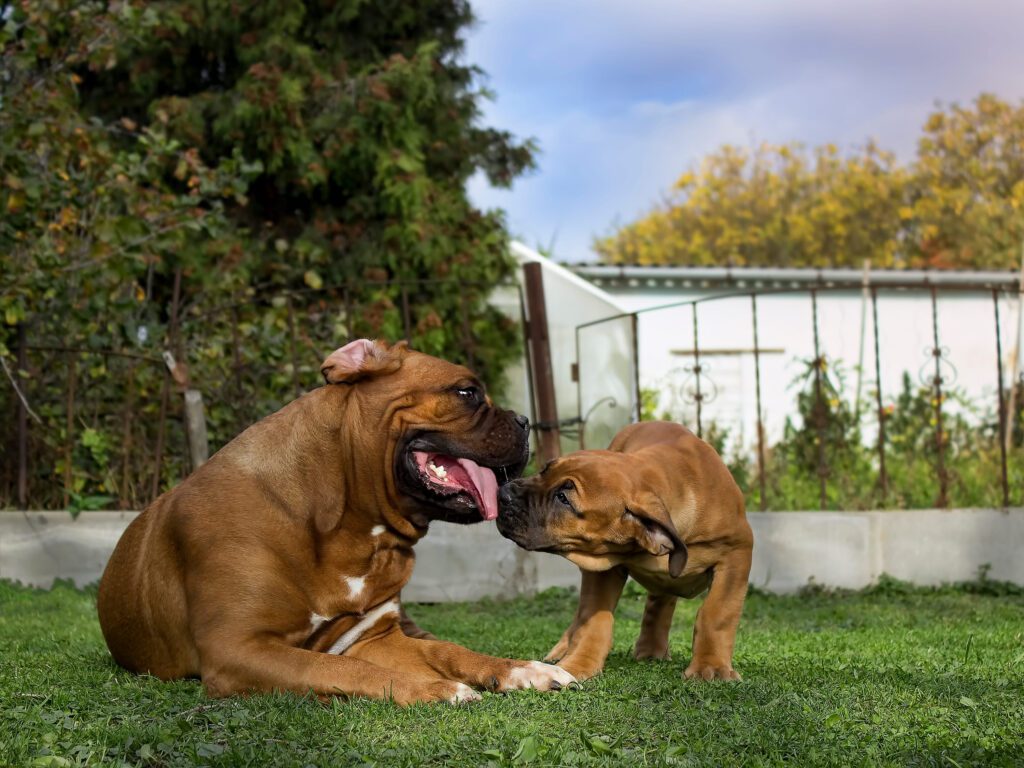
The ideal Bullmastiff adopter is patient, consistent, and comfortable managing a large dog. Daily walks, indoor companionship, and steady routines help this breed thrive. A secure yard and a plan for heat management are important in North Carolina’s climate. Families with children can do well when adults supervise interactions and maintain rules that keep everyone safe.
Take your time, ask clear questions, and prepare your home before you bring your dog home. When you research thoughtfully and follow a solid training plan, you can adopt a Bullmastiff in North Carolina and enjoy a loyal, gentle companion for years to come.

Introducing a new puppy to your current dog is often an exciting process, and many dogs will become fast friends and eas...
Read More
Rescue dogs can make great companions and can transform your home into something better. These dogs make great pets and ...
Read More
You should never rush to pet a dog. Even dog owners make the mistake of approaching unfamiliar dogs and petting them rig...
Read More
Puppy mill dogs are survivors who have endured extreme hardships in their lives. They have grown up in horrendous, unsan...
Read More
With their wagging tails and comforting presence, adopting a dog can add a unique touch to your life. It’s a heart...
Read More
Older dogs may have a few gray hairs around the edges, but that doesn’t mean they can’t make wonderful companions! T...
Read More