



























































































































































































Introducing a new puppy to your current dog is often an exciting process, and many dogs will become fast friends and eas...
Read MoreAdopt Me

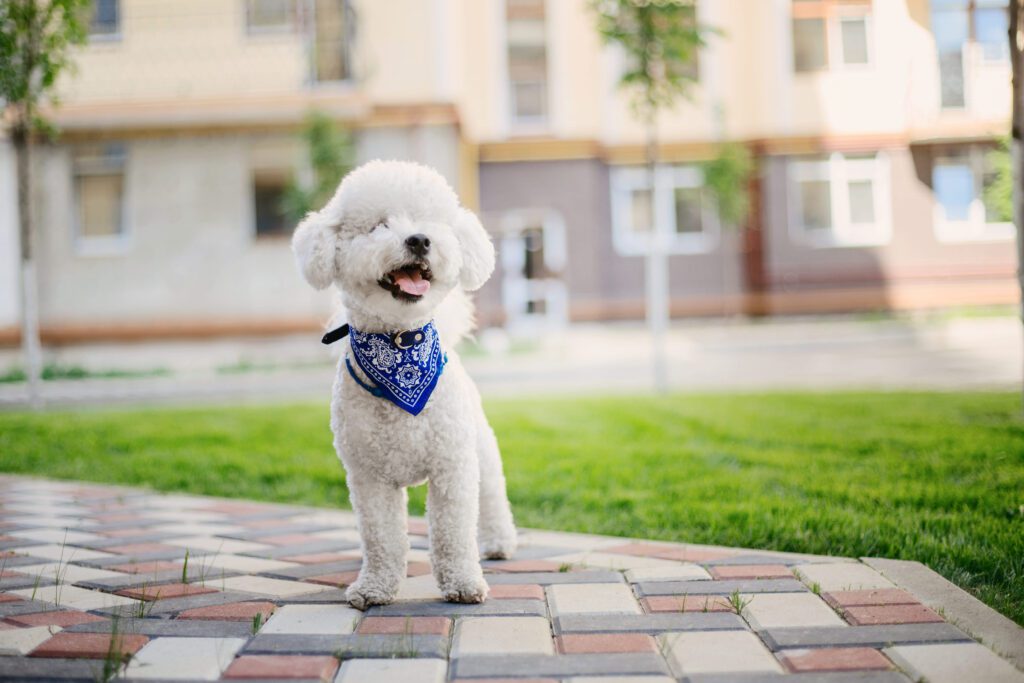



The Bichon Frise is a cheerful, affectionate companion that loves people and daily play. This small, low-shedding breed fits well in apartments and suburban homes, and the gentle temperament suits families, retirees, and first-time dog owners. Thoughtful research before adoption helps you match energy level, grooming needs, and temperament to your home and schedule.
Adoption is a compassionate choice that opens space for another dog in need while giving you a dog that has often received initial veterinary care. You also gain a support network that can share insights about the dog’s personality and routine. Massachusetts offers an excellent environment for a Bichon Frise when you plan for climate and lifestyle. Winters are cold and snowy, which means short outdoor sessions, warm coats, and paw protection. Summers can be humid, which calls for careful coat care and hydration. City neighborhoods and coastal towns offer walkable routes, and the breed’s compact size makes daily exercise and indoor enrichment easy when weather is harsh.
You can skip searching shelters and rescues one by one by browsing listings through Dog Academy. You can filter for size, age, and location to quickly view Bichon Frises available across Massachusetts and nearby states. You can also use Dog Academy guides and adoption checklists to prepare your home, plan your first week, and understand what questions to ask before you apply.
Adoptable Bichon Frises appear through local animal shelters, regional rescues, and breed-specific rescue groups. Foster-based networks can provide detailed notes about house manners, social skills, and grooming tolerance. The breed is popular, so availability changes quickly. Check listings often and read each profile in full. Ask about medical history, behavior with children and other pets, energy level, dental health, and any known skin or allergy concerns, which are common considerations for sensitive-coated breeds.
The typical process starts with browsing listings, then submitting an application with references and proof of housing approval when required. Many groups schedule a meet-and-greet to confirm a good match. Home checks can be virtual or in person to verify safety, secure trash, and proper fencing or leash plans. Approval timelines often run 1 to 3 weeks, though urgent placements can move faster. Some rescues arrange transport to move dogs between New England locations when a good match is found. Transport involves coordinated travel by volunteers or partner services and a scheduled pickup at a public meeting point after final approval.
Before adoption day, gather supplies that fit a small companion breed. A well-fitted harness, a flat leash, a soft crate or pen, food measured for weight and age, a few chew toys, and grooming tools support a smooth first week. Plan short walks and frequent potty breaks to set a reliable routine. Ask the rescue for the current schedule and favorite rewards so you can keep early days calm and predictable.
|
How Much Does It Cost to Adopt a Bichon Frise in Massachusetts?In Massachusetts, most adult Bichon Frises adopt for $350 to $650. Puppies, when available, often range from $450 to $750 due to higher demand and preventive care. Fees vary with age, training, medical history, and the length of time in foster care. Fees also reflect what is included, such as spaying or neutering, vaccinations, microchipping, and veterinary exams. Costs can be higher when a dog has received dental cleanings, specialist evaluations, or grooming before placement. Seniors and dogs with ongoing medical needs may have reduced fees to encourage the right match. After adoption, budget for professional grooming every 4 to 6 weeks, quality food, heartworm and flea prevention, and routine checkups. A realistic monthly plan ensures your new dog receives consistent care through every season in Massachusetts. |
How Should I Train a Bichon Frise?The Bichon Frise is bright, people focused, and very responsive to gentle, reward-based training. Short sessions, high-value treats, and a playful tone work best. Consistency helps the breed flourish because the dog learns patterns quickly and thrives on predictable routines. Common challenges include house training, alert barking, and stress when left alone. Set a steady potty schedule with frequent outdoor breaks, praise within seconds of success, and careful supervision indoors. Reinforce quiet behavior by rewarding calm moments and offering puzzle toys to occupy the mind. Build comfort with alone time by practicing short departures and gradual returns. Handle paws, ears, and muzzle daily to prepare for regular grooming and vet visits, and reward relaxation during each step. For step-by-step guidance, proven methods, and small-dog specific techniques, explore Dog Academy’s online training courses. You can follow house training plans, practice polite leash skills, and address separation distress with clear milestones. You can also learn enrichment games for stormy winter days and hot summer afternoons when outdoor time must be brief. |

|
The ideal adopter enjoys close companionship, daily walks, and a steady grooming routine. Families, retirees, and remote workers often provide the attention this social breed loves. A Bichon Frise does best with gentle handling, patient training, and a calm home setup that supports rest and play.
Prepare your budget, organize supplies, and map out a simple first-week schedule before you apply. Take your time, ask detailed questions, and choose the dog whose needs match your lifestyle. Use Dog Academy adoption listings and education to move confidently from research to a safe and happy homecoming.

Introducing a new puppy to your current dog is often an exciting process, and many dogs will become fast friends and eas...
Read More
Rescue dogs can make great companions and can transform your home into something better. These dogs make great pets and ...
Read More
You should never rush to pet a dog. Even dog owners make the mistake of approaching unfamiliar dogs and petting them rig...
Read More
Puppy mill dogs are survivors who have endured extreme hardships in their lives. They have grown up in horrendous, unsan...
Read More
With their wagging tails and comforting presence, adopting a dog can add a unique touch to your life. It’s a heart...
Read More
Older dogs may have a few gray hairs around the edges, but that doesn’t mean they can’t make wonderful companions! T...
Read More