



























































































































































































Introducing a new puppy to your current dog is often an exciting process, and many dogs will become fast friends and eas...
Read MoreAdopt Me
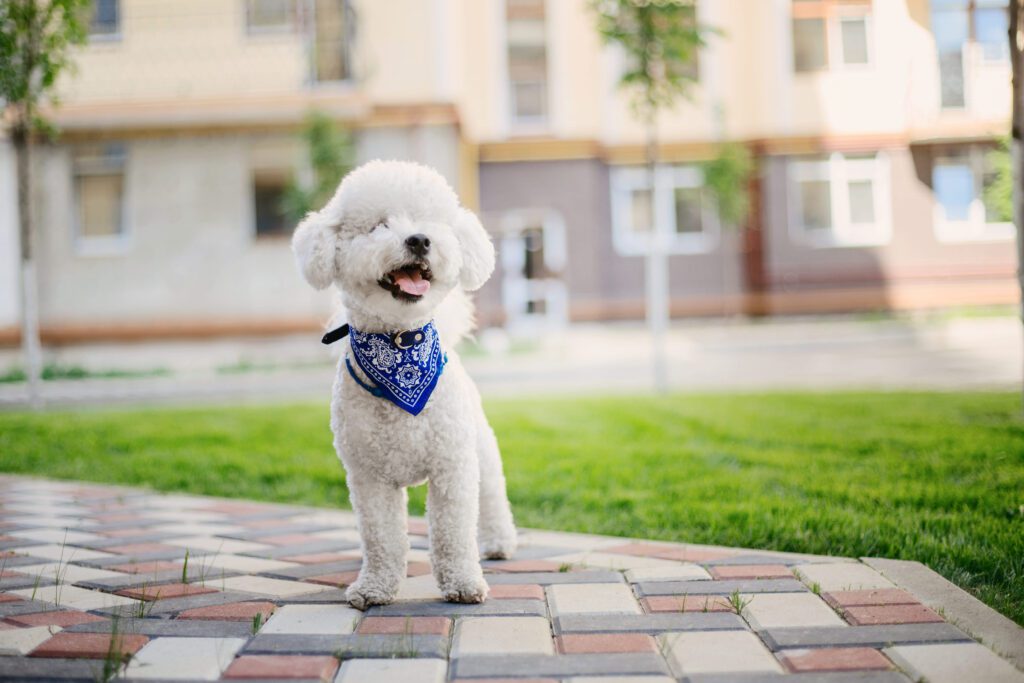

The Bichon Frise is a cheerful, affectionate companion that loves people and learns quickly. This small dog has a soft, low-shedding coat and a gentle nature that suits families, singles, and seniors. The breed thrives on attention and play, and it enjoys a calm, predictable home.
Research matters before you adopt a Bichon Frise in Texas. Adoption gives a dog a second chance and often provides transparency on temperament and medical history. It also reduces impulse purchases and supports responsible pet care. A good match starts with honest planning about time, budget, energy level, and grooming needs.
Texas offers both opportunities and challenges for this breed. The climate is hot for much of the year, and a Bichon’s coat can trap heat. Air conditioning, shade, and midday rest are essential. Early morning and evening walks help avoid high temperatures. Texas has big cities and wide-open spaces, yet the Bichon Frise is an indoor companion first. Short daily walks and indoor play suit the breed, and a secure yard adds variety without long, intense exercise.
You can avoid searching shelters and rescues one by one by starting with Dog Academy. The platform brings together adoption listings, breed education, and step-by-step checklists so you can compare options in one place. You can browse profiles, learn about needs, and prepare your home with confidence.
Adoptable Bichon Frises in Texas appear through local animal shelters, regional rescues, and breed-specific rescue groups. Foster networks also care for many small dogs and share detailed notes on behavior and routine. Begin by browsing listings, and read each profile closely. Look for age, energy level, house-training progress, grooming tolerance, medical needs, and whether the dog has lived with children or other pets.
Most organizations ask for an application that includes basic information about your home, schedule, and experience. Many request landlord approval if you rent, personal references, and a veterinary reference if you have current or past pets. After you apply, you may receive a phone interview to confirm fit and expectations. Timelines vary, but approval often takes 3 to 14 days depending on volume and the dog’s needs.
Meet-and-greets help confirm compatibility. Bring all household members for a calm, structured visit. If you have a resident dog, ask for a slow introduction outdoors with guidance. A home check may follow. This step verifies safety features such as secure fencing, safe storage of chemicals, and reliable climate control. Some groups use virtual home checks with video tours. Once approved, you sign an adoption agreement and schedule pickup or delivery.
Transport is sometimes arranged by rescues to move dogs between locations. Volunteer drivers or professional carriers help relocate dogs from crowded areas to approved adopters. Transport follows safety protocols, and a small transport fee may apply. Ask for a written schedule and the dog’s travel supplies so arrival is smooth.
|
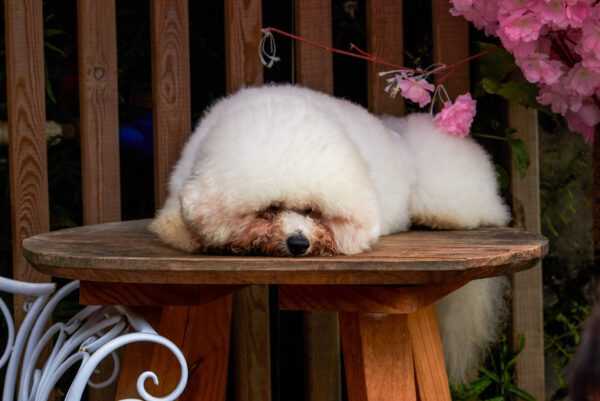
How Much Does It Cost to Adopt a Bichon Frise in Texas?Expect adoption fees for a Bichon Frise in Texas to range from $200 to $500. Younger dogs and puppies usually sit at the higher end due to demand and preventive care. Seniors and dogs with special needs may be toward the lower end, though costs can rise if significant medical treatment has been completed. Fees reflect services such as spaying or neutering, vaccinations, microchipping, and veterinary exams. Many groups also include deworming, a heartworm test, and a recent grooming, which is important for coat comfort in the Texas heat. Pricing can change based on age, training, medical care, and demand. A dog that has received dental cleaning, treatment for skin issues, or heartworm treatment may carry a higher fee that still represents a discount on true medical costs. Some organizations provide starter supplies or a training session, which can also affect the final fee. |
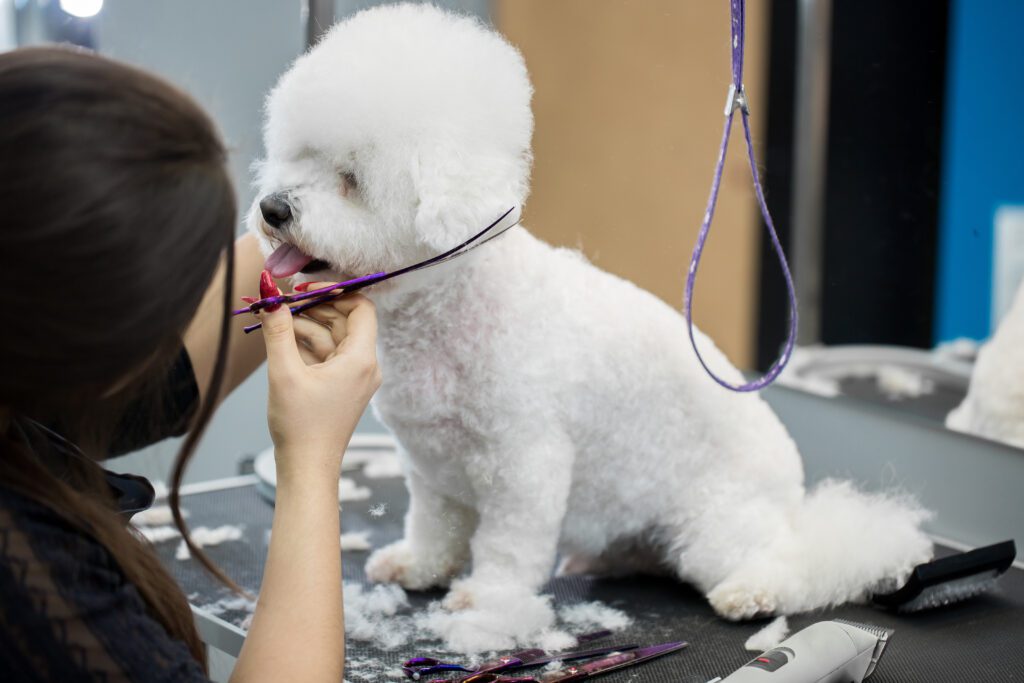
How Should I Train a Bichon Frise?The Bichon Frise is intelligent and eager to please. The breed responds best to positive reinforcement with clear rewards. Use short, upbeat sessions and reinforce calm behavior generously. Food rewards, gentle praise, and play keep motivation high and stress low. Common challenges include house training, barking at new sounds, and frustration when left alone. Create a reliable bathroom routine with frequent outdoor breaks. Use a crate as a safe, quiet space, and reward quiet moments. Teach a consistent cue for settle to reduce reactivity. Build independence with gradual departures so your dog learns to relax when you are away. Cooperative care is vital for this breed. Practice brushing, paw handling, ear checks, and face wiping with treats so grooming stays easy. For step-by-step guidance, enroll in Dog Academy’s online training courses. Courses cover house training, polite leash walking, basic cues, and separation comfort with clear, easy lessons you can follow at home. |
|
The ideal adopter enjoys daily companionship, gentle play, and a regular grooming routine. A Bichon Frise does best with indoor living, climate control, and short walks that avoid peak heat. The breed fits apartments, townhomes, and houses when exercise and enrichment stay consistent.
Preparation sets you up for success. Gather supplies, confirm a veterinary plan, and map out a training routine before adoption day. Take your time, ask detailed questions, and aim for a thoughtful match. Start your search with Dog Academy to review listings, study checklists, and adopt a Bichon Frise in Texas with confidence.

Introducing a new puppy to your current dog is often an exciting process, and many dogs will become fast friends and eas...
Read More
Rescue dogs can make great companions and can transform your home into something better. These dogs make great pets and ...
Read More
You should never rush to pet a dog. Even dog owners make the mistake of approaching unfamiliar dogs and petting them rig...
Read More
Puppy mill dogs are survivors who have endured extreme hardships in their lives. They have grown up in horrendous, unsan...
Read More
With their wagging tails and comforting presence, adopting a dog can add a unique touch to your life. It’s a heart...
Read More
Older dogs may have a few gray hairs around the edges, but that doesn’t mean they can’t make wonderful companions! T...
Read More