



























































































































































































Introducing a new puppy to your current dog is often an exciting process, and many dogs will become fast friends and eas...
Read MoreAdopt Me

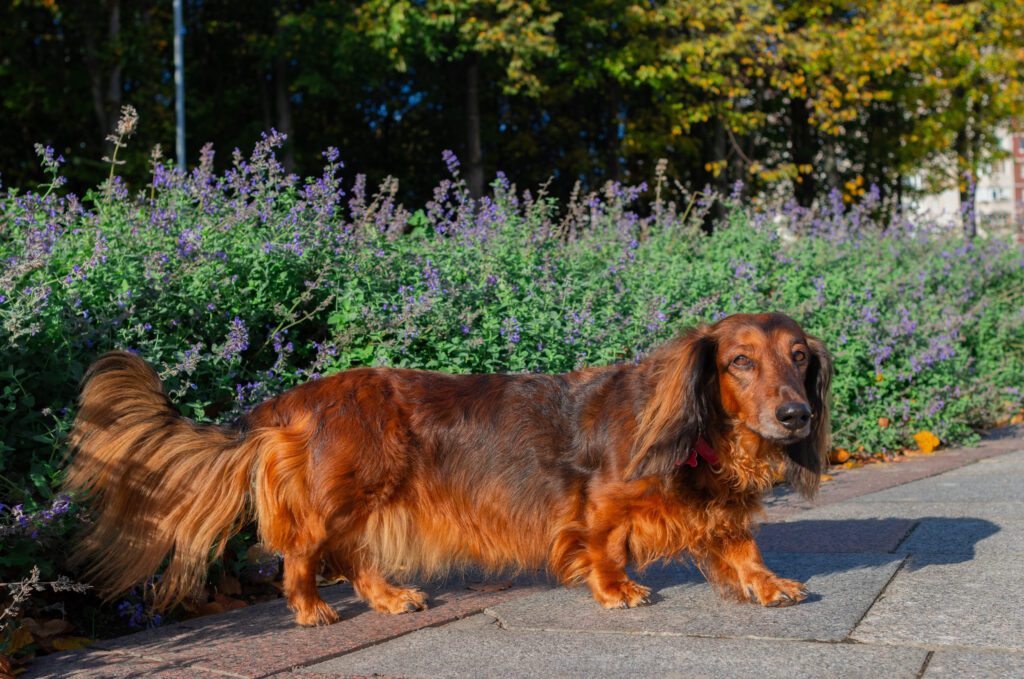


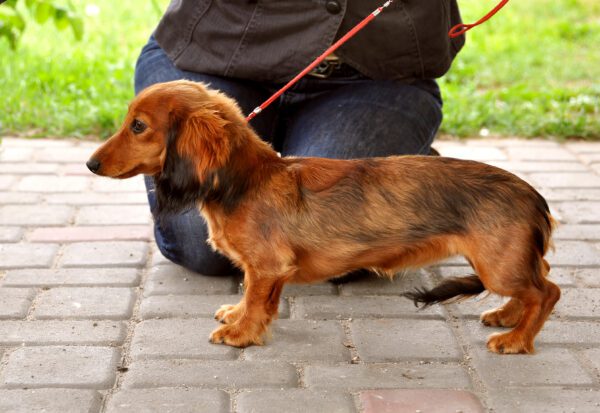
Long-Haired Dachshunds are affectionate, clever, and loyal. The flowing coat adds elegance, while the classic Dachshund spirit brings humor and heart. These dogs love to cuddle, explore, and take part in family routines. They can be independent and vocal, yet they respond well to patient training and gentle structure.
Research matters before you adopt. Understanding grooming needs, exercise requirements, and common health concerns sets you up for success. Adoption gives a dog a second chance and usually includes important veterinary care, which helps you start strong. Choosing adoption also supports humane, responsible pet placement.
Texas offers many lifestyles that can suit this breed when you plan well. Summers are hot in much of the state, so you should walk during cooler hours and provide shade and water. Coastal humidity can mat a long coat faster, so you should brush more often. Urban apartments, suburban homes, and rural properties can all work if you provide secure fencing and leashed walks. The breed likes moderate activity and indoor family time, which fits well with Texas homes that value comfort and routine.
You can avoid searching separately through rescues and shelters by starting with Dog Academy. Dog Academy lists adoptable dogs from across the region, which makes browsing easier and faster. You can also prepare with Dog Academy educational guides and adoption checklists that explain what to expect at every step.
Beyond Dog Academy listings, you can check local animal shelters, regional rescues, and breed-specific rescue groups. Read each profile carefully and compare energy level, age, and medical notes to your lifestyle. A Long-Haired Dachshund needs steady companionship, a safe place to rest, and protection from stairs and high furniture. Understanding these needs will help you choose the right match the first time.
The process usually starts with browsing listings and submitting an application. Applications often ask for personal information, lifestyle details, veterinary references, and landlord approval if you rent. Many groups schedule a phone interview to discuss your home setup and daily schedule. Clear answers help the team place the right dog with the right family.
Next comes a meet-and-greet. You may meet at the shelter, a foster home, or a neutral location. Some groups require a home check to confirm safety, which can be in person or virtual. Timelines vary, yet many approvals in Texas finalize in 1 to 3 weeks once your application is complete. If the dog is not local, rescues sometimes arrange transport to move dogs between Texas cities or from nearby states. Transport is coordinated by the rescue and typically involves vetted drivers and scheduled handoffs to ensure safety.

|
How Much Does It Cost to Adopt a Long-Haired Dachshund in Texas?In Texas, adoption fees for a Long-Haired Dachshund typically range from $250 to $450 for adults and from $300 to $600 for puppies. Younger, highly in-demand dogs often cost more, while seniors or dogs with special needs may cost less. Fees reflect services that are already provided, which commonly include spaying or neutering, vaccinations, microchipping, and veterinary exams. Costs may increase if the dog received dental cleanings, specialty medications, or behavioral support before placement. Age, training, and medical history affect price the most. A dog with recent preventive care and basic manners training may fall near the top of the range. A senior who needs a quiet home may cost less but may require ongoing care. Long-coated dogs that received grooming before adoption can also affect the final fee. |
How Should I Train a Long-Haired Dachshund?Long-Haired Dachshunds are bright and food-motivated. They are also independent and driven by scent. This mix rewards consistent, positive reinforcement. Keep sessions short and upbeat. Use clear cues and frequent rewards. End while the dog is still engaged, which helps build confidence and focus. House training improves with a predictable schedule and close supervision. Crate training supports safe rest and prevents unwanted chewing. Many Dachshunds love to bark, so you should teach a quiet cue and reinforce calm moments. Protect the back by teaching polite leash walking with a harness, not a collar. Use ramps or blocked access to furniture to reduce jumping. Keep stairs limited to protect the spine. If you want step-by-step guidance, try Dog Academy’s online training courses. Courses cover foundations like sit, stay, and recall, plus focus work for scent-driven breeds. You can follow clear lessons, track progress, and build reliable manners at home. |
|
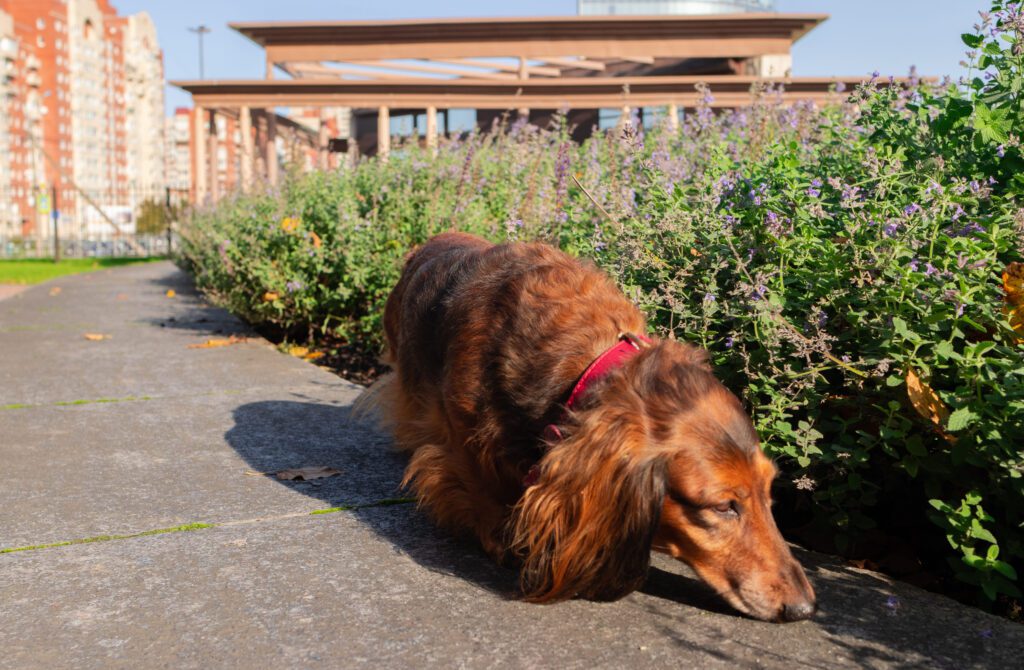
The ideal adopter enjoys daily walks, cozy evenings, and consistent routines. You have time for brushing several times per week and you can manage Texas heat with indoor breaks and shaded outings. You keep stairs and jumping to a minimum and you use a harness for back safety. You value patient training and you welcome a loyal shadow who wants to be near the family.
Preparation sets you up for a happy match. Review your schedule, gather supplies, and plan a safe home setup before you apply. Take time to meet more than one dog and ask clear questions about health and behavior. With patient research and careful training, you can adopt a Long-Haired Dachshund in Texas and enjoy a friendly companion for years to come.

Introducing a new puppy to your current dog is often an exciting process, and many dogs will become fast friends and eas...
Read More
Rescue dogs can make great companions and can transform your home into something better. These dogs make great pets and ...
Read More
You should never rush to pet a dog. Even dog owners make the mistake of approaching unfamiliar dogs and petting them rig...
Read More
Puppy mill dogs are survivors who have endured extreme hardships in their lives. They have grown up in horrendous, unsan...
Read More
With their wagging tails and comforting presence, adopting a dog can add a unique touch to your life. It’s a heart...
Read More
Older dogs may have a few gray hairs around the edges, but that doesn’t mean they can’t make wonderful companions! T...
Read More