




























































































































































































Introducing a new puppy to your current dog is often an exciting process, and many dogs will become fast friends and eas...
Read MoreAdopt Me

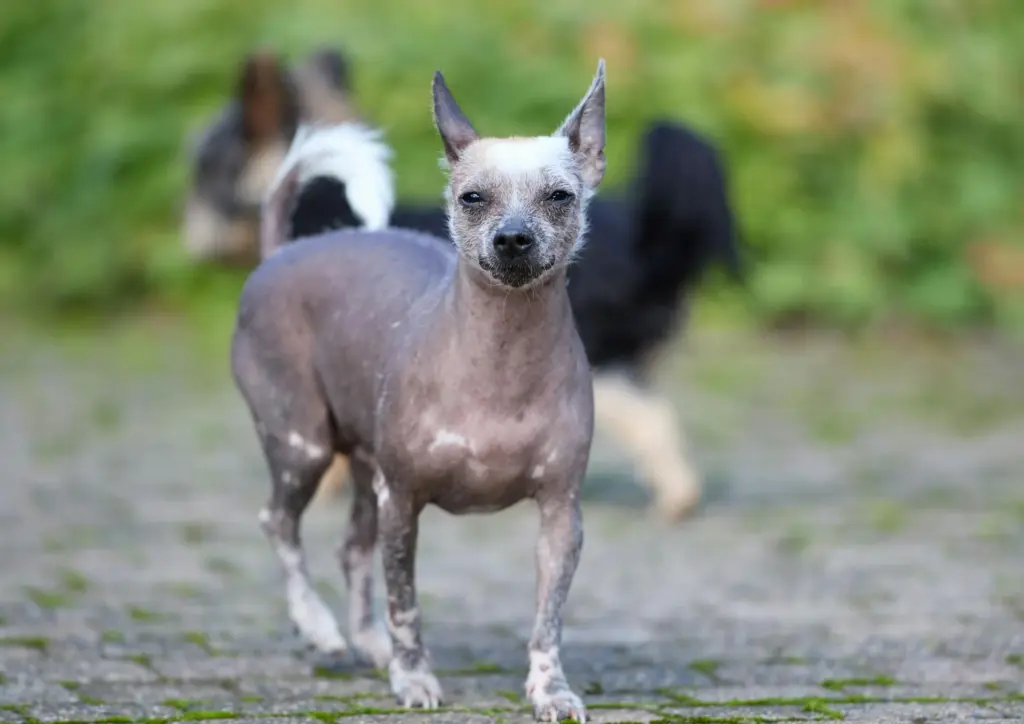
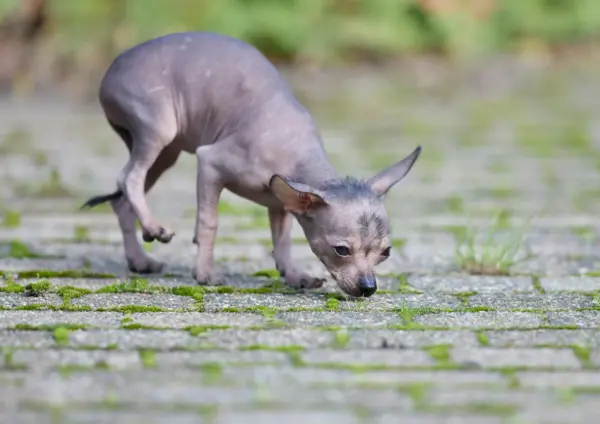
The Xoloitzcuintli is loyal, calm, and deeply devoted to its family. This ancient breed bonds closely with its people, stays watchful without being hyper, and thrives on a quiet routine. Many Texans love the Xolo for low shedding, thoughtful intelligence, and a natural desire to stay near home.
Adoption works best when you research first. A Xoloitzcuintli has unique needs that reward patient owners who plan ahead. Adopting instead of buying gives a dog a second chance, and it often includes support from knowledgeable caretakers who have evaluated temperament, health, and daily habits. You also gain insight into energy level and training history, which makes a smoother transition for your household.
Texas offers plenty of sunshine and space, which suits the Xolo well when you manage heat and sun safely. Hairless and coated Xolos both need sun protection in Texas, with shade, cool water, and limited midday exposure. Concrete and sand can get very hot, so short outings work best on peak heat days. Winter cold snaps in North and West Texas can surprise thin-coated dogs, so a warm layer helps during early mornings and late nights. Xolos adapt to apartments in Houston or Dallas with daily walks and mental games, and they also enjoy fenced yards in Hill Country or the Panhandle when supervised and protected from harsh sun.
You can avoid searching shelters and rescues one by one by browsing Dog Academy, which brings adoptable dogs into one place and provides educational guides and adoption checklists that keep you organized. You can also explore local animal shelters, regional rescues, and breed-specific rescue groups that regularly assess dogs for the right home environment.
Start by reading each dog’s profile in full. Pay close attention to age, size, activity needs, grooming and skin care notes, and any training or medical updates. The Xoloitzcuintli is sensitive and smart, so look for descriptions that match your lifestyle, such as comfort with children, preference for a quiet home, or experience living with other pets.
Most organizations ask you to complete an application that includes background information, references, proof of housing permissions, and a plan for daily care. A coordinator reviews your application, discusses fit, and may schedule a phone interview. Approval timelines in Texas commonly run 3 to 14 days, and timelines vary based on volunteer workload, home checks, and meet-and-greet scheduling.
Meet-and-greets usually take place at a shelter, a foster home, or a neutral public space. If you have resident pets, many groups require a slow introduction to confirm compatibility. Home checks can be virtual or in person. The purpose is to verify safe containment, confirm that hazards are addressed, and ensure the dog’s specific needs are met, including shade, climate control, and a clear skin care plan for hairless dogs.
When a suitable match is not nearby, rescues may arrange transport to move dogs between locations. Transport is often coordinated by volunteers or professional services that follow safety protocols for health, rest stops, and secure crating. You receive a pickup time and meeting location, and you receive health records on arrival so your veterinarian can continue care without interruption.
|
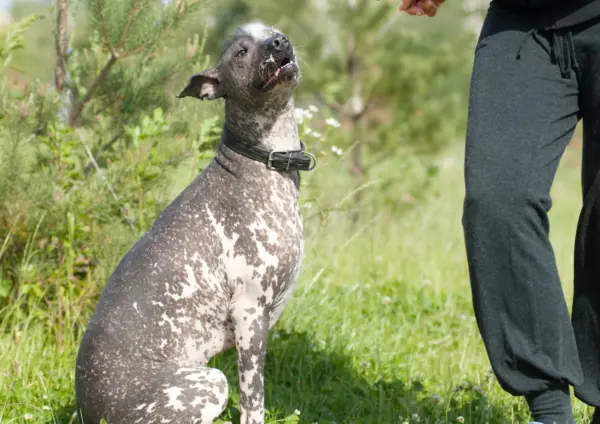
How Much Does It Cost to Adopt a Xoloitzcuintli in Texas?In Texas, expect an adoption fee in the range of $250 to $600 for a Xoloitzcuintli. Puppies and high-demand small adults often sit near the top of the range, while older dogs and special-needs dogs may be lower. Fees tend to be higher with breed-focused groups that invest in specialized care, and lower with municipal shelters that subsidize expenses. Fees typically reflect spaying or neutering, vaccinations, microchipping, and veterinary exams. Costs also vary with age, training, medical care such as skin treatment or dental work, and regional demand for the breed. Heartworm testing and prevention are common needs in Texas, and completed treatment can influence pricing. Supplies after adoption, such as sun-safe clothing, a harness that avoids skin irritation, and quality skincare products, are separate from the adoption fee. |
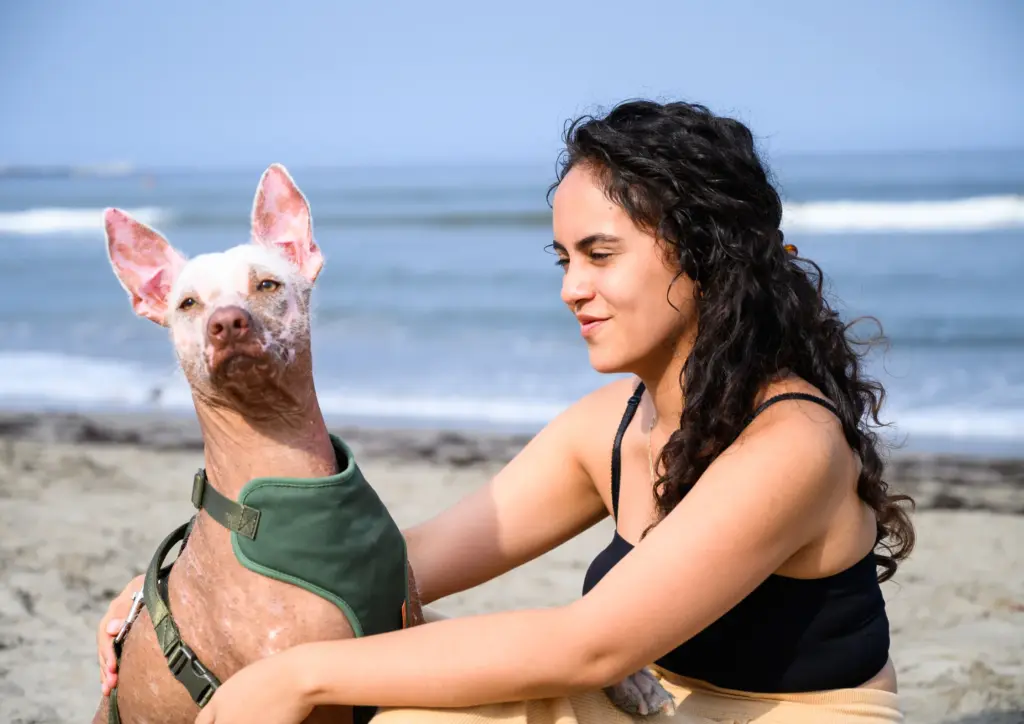
How Should I Train a Xoloitzcuintli?The Xoloitzcuintli learns quickly and responds best to calm, positive reinforcement. Short, focused sessions build confidence and reduce stress for this sensitive breed. Reward quiet behavior, gentle greetings, and calm settling with treats and praise. Prevent nuisance barking by teaching a cue for quiet and by providing enrichment that eases boredom. Early socialization is essential in Texas settings that range from busy sidewalks to quiet ranch roads. Pair new sights and sounds with rewards so your dog forms positive associations. Many Xolos benefit from impulse control work, loose-leash skills, and cooperative care for skin and nail handling. Consistent routines and a restful crate space help with alone time and reduce anxiety. For step-by-step guidance you can learn at home, explore Dog Academy’s online training courses. Lessons cover foundation obedience, socialization, leash manners, crate training, and behavior problem solving, which makes it easier to raise a well-adjusted Xoloitzcuintli in any Texas environment. |
|
The ideal Texas adopter for a Xoloitzcuintli is patient, consistent, and ready to protect delicate skin from strong sun and sudden cold. Daily exercise, mental enrichment, and a stable routine help this thoughtful breed relax and bond. A secure yard or attentive leash handling keeps your dog safe around wildlife and hot surfaces.
Take time to research, prepare your home, and select a dog whose needs match your lifestyle. With a clear plan for training and skin care, you can adopt a Xoloitzcuintli in Texas with confidence and enjoy a loyal companion for years to come.

Introducing a new puppy to your current dog is often an exciting process, and many dogs will become fast friends and eas...
Read More
Rescue dogs can make great companions and can transform your home into something better. These dogs make great pets and ...
Read More
You should never rush to pet a dog. Even dog owners make the mistake of approaching unfamiliar dogs and petting them rig...
Read More
Puppy mill dogs are survivors who have endured extreme hardships in their lives. They have grown up in horrendous, unsan...
Read More
With their wagging tails and comforting presence, adopting a dog can add a unique touch to your life. It’s a heart...
Read More
Older dogs may have a few gray hairs around the edges, but that doesn’t mean they can’t make wonderful companions! T...
Read More