




























































































































































































Introducing a new puppy to your current dog is often an exciting process, and many dogs will become fast friends and eas...
Read MoreAdopt Me

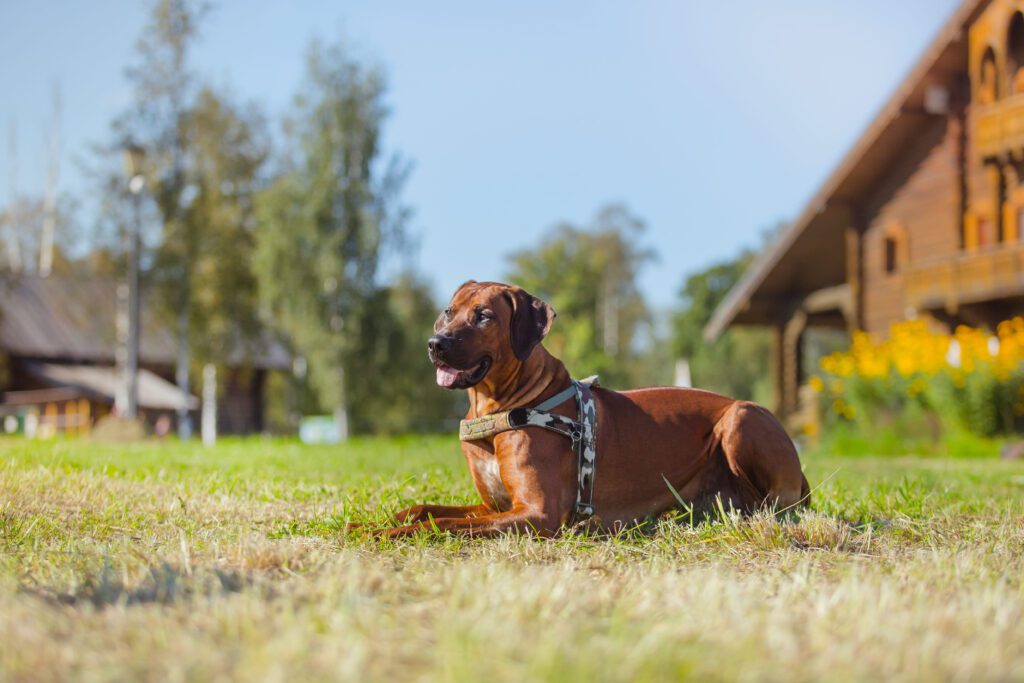

Rhodesian Ridgebacks are athletic, loyal, and confident dogs that bond deeply with their families. They are independent thinkers with strong prey drive and impressive stamina. Many people love this breed for its calm indoor presence paired with an adventurous spirit outside. Careful research helps you decide if this powerful hound fits your lifestyle before you adopt.
Adoption offers a compassionate path that gives a deserving dog a second chance while often including essential veterinary care at a fair price. Choosing to adopt supports responsible animal welfare and helps reduce overpopulation. It also lets you learn about a dog’s history and temperament from people who have observed the dog closely.
Texas can be a great fit for a Rhodesian Ridgeback. The short coat suits warm weather, though every dog still needs shade, water, and rest during hot afternoons. The state’s wide-open spaces, suburban neighborhoods, and trail systems can meet the breed’s exercise needs when paired with secure fencing and reliable recall. Urban living can work when you commit to daily walks, structured play, and mental stimulation.
You can avoid searching for rescues and shelters separately by using Dog Academy to browse adoptable Rhodesian Ridgebacks in one place. You will see listings from local animal shelters, regional rescues, and breed-specific rescue groups across Texas. Dog Academy also provides educational guides and adoption checklists so you can prepare documents, plan meet-and-greets, and set up your home with confidence.
Start by browsing listings and reading each profile carefully. Look for details about age, energy level, social history, and any training already in place. When you find a good match, submit an application that explains your home life and care plan. Many organizations request personal references, proof of landlord permission for renters, and a veterinarian contact. Timelines vary by organization, though approval often takes 1 to 3 weeks from application to decision.
Meet-and-greets help you confirm the fit. You may bring family members and resident pets so staff can observe introductions. Some groups require a home check, which is a quick virtual or in-person visit to confirm safe fencing, secure gates, and a plan for containment, feeding, and rest. An adoption counselor may discuss the breed’s prey drive, exercise needs, and expectations for training and decompression after arrival.
If your chosen dog is outside your city, rescues sometimes arrange transport between locations. Transport is often arranged by rescues to move dogs between states or regions using volunteer drivers or professional services that follow animal welfare protocols. Scheduling and fees depend on distance, weather, and driver availability, and the organization will explain costs and timing in advance.
Once approved, you will sign an adoption agreement and pay the fee. You should receive veterinary records, microchip transfer instructions, and guidance for the first weeks at home. Many groups offer post-adoption support to help with settling, feeding transitions, and early training questions.

|
How Much Does It Cost to Adopt a Rhodesian Ridgeback in Texas?In Texas, most adopters pay $275 to $450 to adopt a Rhodesian Ridgeback. Puppies and young adults often fall on the higher end, while seniors may be lower. Fees reflect medical care, length of stay, and demand for the breed in your area. Training already completed, such as basic manners, can also affect price. Adoption fees usually include spaying or neutering, vaccinations, microchipping, and veterinary exams. Some groups add heartworm testing, fecal screening, and preventive medications. Dogs that required advanced treatment or professional behavior support may cost more because the organization invests additional resources before placement. |
How Should I Train a Rhodesian Ridgeback?Rhodesian Ridgebacks are intelligent and capable, yet they are also independent. Clear structure and positive reinforcement help them make good choices. Reward-based methods build trust and keep this sensitive breed engaged. Short, focused sessions work best, especially when you train after exercise and before meals. Focus on reliable recall, loose-leash walking, and impulse control around wildlife. Consistent socialization with people and dogs creates a confident companion that handles Texas parks, neighborhoods, and trails with ease. Prevent roaming by maintaining secure fencing and teaching solid boundary cues. Avoid harsh corrections, which can damage confidence and reduce cooperation. For step-by-step guidance, use Dog Academy’s online training courses. You will find structured plans for recall, leash manners, crate training, polite greetings, and calm home behavior. Lessons include clear milestones, practice games, and troubleshooting tips tailored to real-life distractions. |

|
The ideal adopter enjoys daily activity, provides consistent training, and values a close partnership with a strong, athletic dog. A secure yard, a thoughtful exercise plan, and time for mental enrichment set this breed up for success. Families with children or other pets can do very well when they introduce calmly, supervise interactions, and keep routines predictable.
Preparation leads to a smooth transition. Research the breed, gather supplies, and plan time off during the first week. Move at the dog’s pace, build positive routines, and ask for support when needed. When you are ready to adopt a Rhodesian Ridgeback in Texas, use Dog Academy to explore current listings, study checklists, and take the time required to find your perfect match.

Introducing a new puppy to your current dog is often an exciting process, and many dogs will become fast friends and eas...
Read More
Rescue dogs can make great companions and can transform your home into something better. These dogs make great pets and ...
Read More
You should never rush to pet a dog. Even dog owners make the mistake of approaching unfamiliar dogs and petting them rig...
Read More
Puppy mill dogs are survivors who have endured extreme hardships in their lives. They have grown up in horrendous, unsan...
Read More
With their wagging tails and comforting presence, adopting a dog can add a unique touch to your life. It’s a heart...
Read More
Older dogs may have a few gray hairs around the edges, but that doesn’t mean they can’t make wonderful companions! T...
Read More