



























































































































































































Introducing a new puppy to your current dog is often an exciting process, and many dogs will become fast friends and eas...
Read MoreAdopt Me

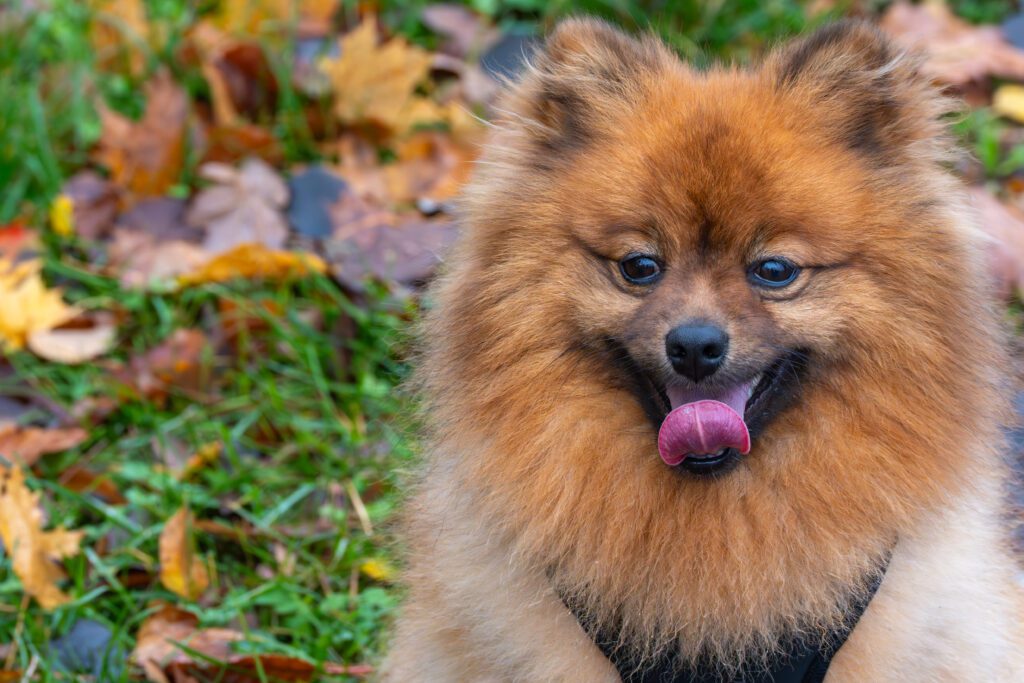
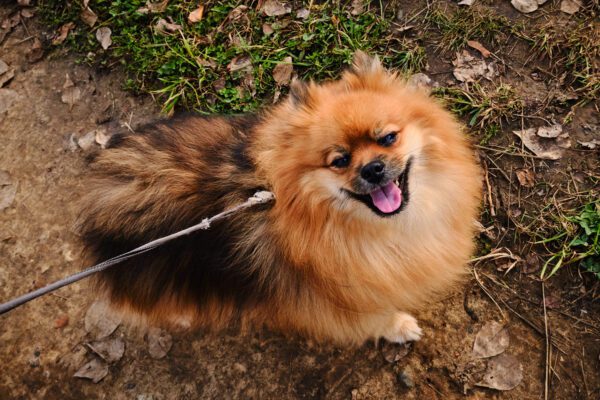
The German Spitz is bright, loyal, and lively. This compact companion has a foxlike face, a plush double coat, and an upbeat spirit. The breed bonds closely with family, enjoys learning, and thrives on consistent attention. A German Spitz often suits a wide range of homes when daily exercise and mental enrichment are part of the routine.
Thoughtful research matters before you adopt. Understanding grooming needs, vocal tendencies, and training requirements helps you match with the right dog. Adoption is a kind choice because it opens space for another animal in need, and it often includes essential veterinary care at a lower total cost than buying. Foster notes and shelter evaluations can also give real insight into temperament, energy, and compatibility with children or other pets.
Texas can be a great fit when you manage heat carefully. The German Spitz has a double coat that offers insulation, yet the dog can still overheat in hot and humid weather. Plan walks during cooler hours, provide shade and water during outings, and prioritize indoor living with air conditioning. Urban apartments, suburban homes, and rural properties can all work in Texas. Apartment dwellers should plan for daily walks and sound management, while rural owners should secure fencing because the breed is alert and may chase wildlife.
You can avoid searching rescues and shelters one by one by starting with adoption listings from Dog Academy. The listings bring together available dogs from a variety of sources so you can filter by size, age, and location. Dog Academy also offers educational guides and adoption checklists that help you prepare your home, set a budget, and plan first-week routines.
Look for adoptable dogs through local animal shelters, regional rescues, foster-based groups, and breed-specific rescue groups. Read each profile carefully. Confirm the dog’s age, size, activity needs, and medical history. Ask whether the dog has lived with other pets, how the dog handles alone time, and what training the dog already knows.
The process usually starts by browsing listings and submitting an application. Applications often ask about your schedule, home setup, training plan, and veterinary history. Renters may need written landlord approval. Many groups complete a phone interview, check references, and ensure your goals match the dog’s needs.
Next comes a meet-and-greet and a home check. A home check may be in person or virtual, and it verifies safe containment, secure fencing, and an appropriate living space. If your match is outside your city, rescues sometimes arrange transport to move dogs between locations using volunteer drivers or approved carriers. Transport coordinators explain fees, timing, and required health certificates so you know exactly what to expect. Approval timelines vary by organization and by dog, and most adopters see a decision within a few days to a few weeks. Once approved, you sign an adoption contract, pay the fee, and receive records and transition guidance.

|
How Much Does It Cost to Adopt a German Spitz in Texas?Most adopters in Texas can expect to pay $200 to $500 to adopt a German Spitz. Puppies and high-demand dogs often sit at the top of that range, while seniors or dogs with special needs may be lower. Fees reflect the cost of spaying or neutering, vaccinations, microchipping, and veterinary exams. Costs can increase when organizations provide advanced care such as heartworm treatment, diagnostic testing, or dental work, and fees can also rise when a dog arrives with professional training or recent grooming. |
How Should I Train a German Spitz?The German Spitz is intelligent, attentive, and quick to learn. Short sessions keep focus high. The breed responds best to upbeat training that uses food, toys, and praise as rewards. Consistency builds trust and helps this bright dog understand household rules. Common challenges include alert barking, sensitivity to rough handling, and occasional independence. Teach foundation cues such as name attention, sit, down, and come with clear rewards. Add a quiet cue, reinforce settle on a mat, and practice polite greetings. Early socialization builds confidence around new people, places, and sounds. Crate training, house training, and loose-leash skills make daily life smooth and safe. For structured guidance, explore Dog Academy’s online training courses, which cover manners, impulse control, and enrichment plans for energetic small breeds. Mental exercise matters as much as physical exercise. Use puzzle feeders, scent games, and trick training to channel energy. In Texas heat, schedule 2 brisk walks of 20 to 30 minutes during cooler hours, and rely on indoor games and short training bursts at midday to prevent overheating. |
|
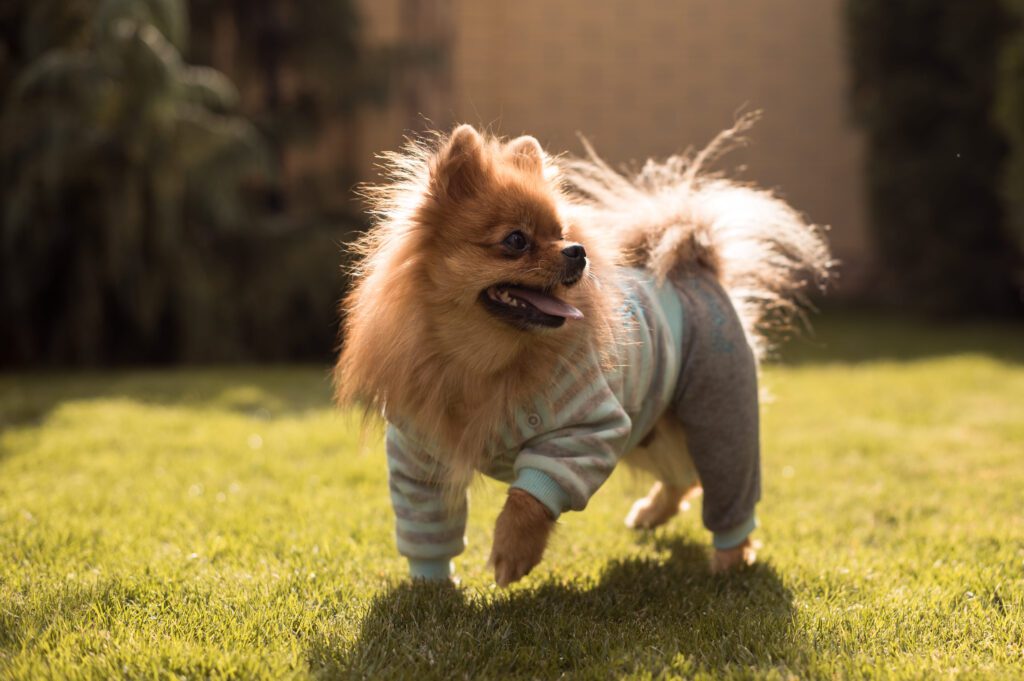
The ideal adopter enjoys daily walks, short training sessions, and time for brushing 2 to 3 times each week. A good match can manage Texas heat with shade, water, and indoor cooling. Patience with a naturally vocal watchdog helps everyone succeed, and a commitment to positive reinforcement keeps learning fun.
Preparation leads to smooth adoption and a happy first month. Take your time, ask clear questions, and choose a dog whose temperament and energy fit your home. Use adoption listings from Dog Academy and build your plan for training, grooming, and heat safety so your new German Spitz settles in with confidence.

Introducing a new puppy to your current dog is often an exciting process, and many dogs will become fast friends and eas...
Read More
Rescue dogs can make great companions and can transform your home into something better. These dogs make great pets and ...
Read More
You should never rush to pet a dog. Even dog owners make the mistake of approaching unfamiliar dogs and petting them rig...
Read More
Puppy mill dogs are survivors who have endured extreme hardships in their lives. They have grown up in horrendous, unsan...
Read More
With their wagging tails and comforting presence, adopting a dog can add a unique touch to your life. It’s a heart...
Read More
Older dogs may have a few gray hairs around the edges, but that doesn’t mean they can’t make wonderful companions! T...
Read More