










































































































































































Introducing a new puppy to your current dog is often an exciting process, and many dogs will become fast friends and eas...
Read MoreAdopt Me

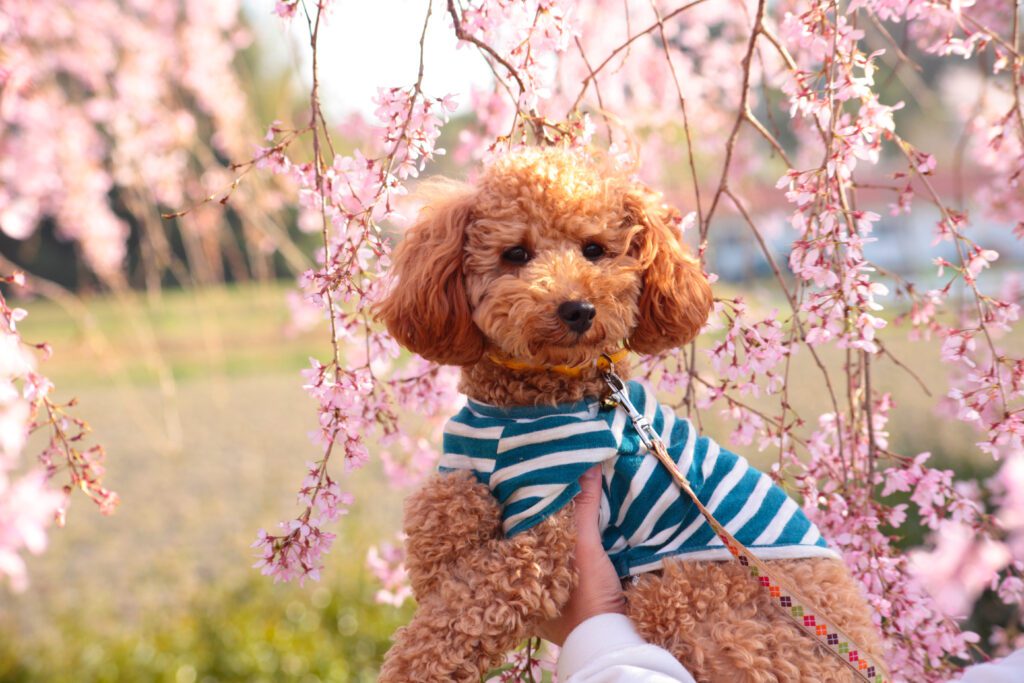

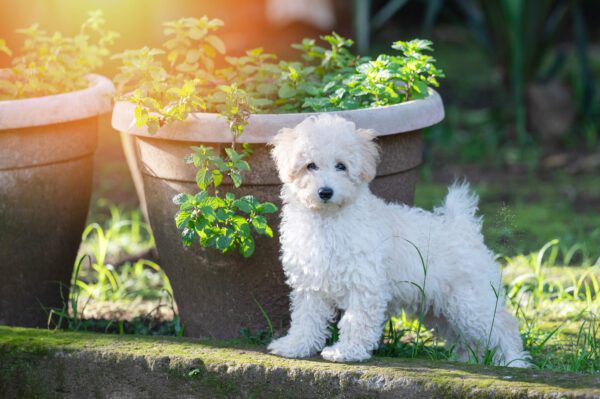
A Bichon Poodle, often called a Bichpoo or Poochon, is a cheerful, people-loving companion that combines the Bichon Frise’s affectionate nature with the Poodle’s intelligence. The coat sheds very little, which helps many allergy-sensitive families, and the breed’s small size fits well in apartments and houses alike. These dogs thrive on attention, learn quickly, and bring a playful spirit to daily life.
Research matters before you adopt. A Bichon Poodle needs daily mental stimulation, consistent training, and regular grooming. The coat requires brushing several times per week and professional grooming every 4 to 8 weeks to prevent matting. Adoption is preferable to buying because you give a dog a second chance, you receive transparent medical records, and you often learn about temperament from foster notes, which helps you make a confident match.
Texas offers plenty of room to play, though the climate requires smart planning. Summers run hot across the state, with humidity along the Gulf Coast and dry heat in West Texas. A Bichon Poodle does best as an indoor companion with air conditioning, short walks during cooler morning and evening hours, and plenty of water. Urban families can meet needs with daily strolls and indoor enrichment. Suburban homes with fenced yards make potty breaks simple. Rural adopters should plan for reliable access to grooming and veterinary care, which may involve longer drives.
You can skip searching shelters and rescues one by one by browsing listings on Dog Academy. You will find adoptable dogs from across Texas in one place, which saves time and helps you compare age, size, and personality. Dog Academy also offers educational guides and adoption checklists that help you prepare your home, ask better questions, and choose the right match.
You can also look at local animal shelters, regional rescues, and breed-specific rescue groups that focus on small dogs or poodle mixes. When you browse listings, read each profile carefully and request any missing details. Ask about energy level, house training progress, comfort with grooming, experience with children, and compatibility with other pets. Clear information supports a successful transition.
The process usually starts with an online application. Groups often request personal references, proof of landlord approval when you rent, and a conversation about your daily routine. After an initial review, you move to a meet-and-greet so the whole family, including resident pets, can interact with the dog. Many groups conduct a home check by video or in person to confirm safe fencing, secure trash, and a tidy space for feeding and sleeping. Approval timelines in Texas often range from 3 to 10 days, though high-demand dogs can take longer due to application volume.
Some rescues arrange transport to move dogs between Texas cities or from out-of-state partners. Transport is often organized through volunteer relay drivers or licensed carriers, and veterinarians provide health certificates for interstate travel. Coordinators schedule pick-up times, explain any transport fees, and share feeding and potty plans for the first 24 hours. Ask for these details in advance so you can prepare calmly.
|
How Much Does It Cost to Adopt a Bichon Poodle in Texas?In Texas, expect most Bichon Poodle adoption fees to fall between $300 and $650. Puppies and young adults usually sit at the higher end due to demand and recent medical care, while seniors and special-needs dogs may be lower. Fees reflect expenses already covered by the organization, including spaying or neutering, vaccinations, microchipping, and veterinary exams. Dental cleanings, bloodwork, and grooming performed in foster care can also influence pricing. Training progress, such as crate conditioning and house training, may add value because it shortens the learning curve at home. Location within Texas can affect fees as well. Urban groups with higher operating costs may charge slightly more, while rural groups may run leaner. The size of the organization and the length of time in foster care also play a role, since extended stays increase food, supplies, and follow-up medical costs. |
How Should I Train a Bichon Poodle?A Bichon Poodle is bright, sensitive, and eager to please, which makes training rewarding and fun. Use positive reinforcement, short sessions that last 5 to 10 minutes, and clear cues. Start with name recognition, sit, down, and come. Layer in impulse control with wait at doors and leave it. Early socialization builds confidence and reduces reactivity in busy Texas neighborhoods and parks. Small dogs sometimes struggle with house training and may become alert barkers. Create a consistent potty schedule, reward heavily for outdoor success, and clean accidents thoroughly to remove scent markers. Teach a quiet cue after you reward 1 or 2 alert barks, then redirect to a chew or mat settle. Introduce crate time in small steps to prevent separation stress. Handle paws, ears, and muzzle daily so grooming visits stay calm and safe. If you want structured support, enroll in Dog Academy’s online training courses for step-by-step lessons on obedience, manners, enrichment, and problem prevention tailored to busy households. |

|
The ideal adopter enjoys daily companionship, commits to regular grooming, and provides gentle structure. A Bichon Poodle fits families with children who understand kind handling, retirees who want a close friend, and first-time owners who value guidance and routines. The breed thrives with indoor living, climate-aware exercise, and steady mental stimulation.
Set yourself up for success by preparing your home, budgeting for grooming, and taking time to meet several candidates. Move at a thoughtful pace, ask clear questions, and trust the process. With preparation and patience, you will adopt a Bichon Poodle in Texas that matches your lifestyle and brings joy for years to come.
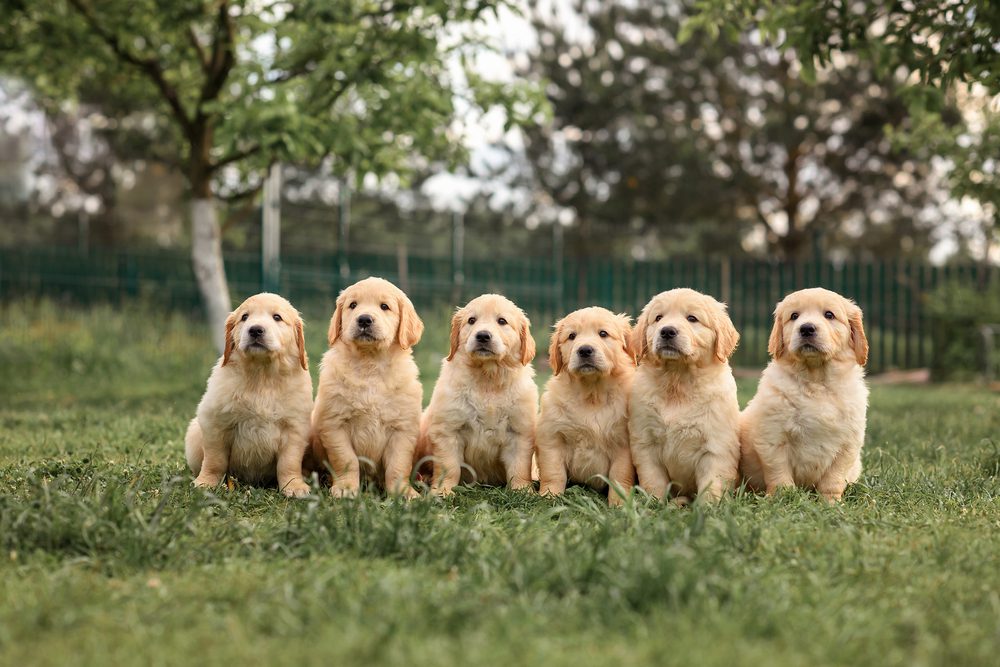
Introducing a new puppy to your current dog is often an exciting process, and many dogs will become fast friends and eas...
Read More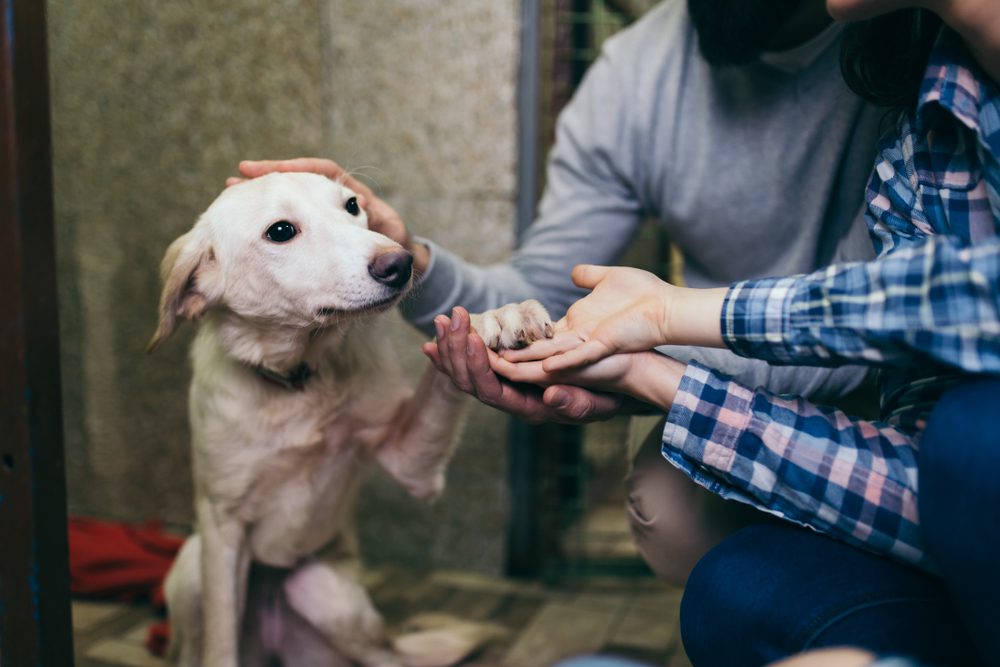
Rescue dogs can make great companions and can transform your home into something better. These dogs make great pets and ...
Read More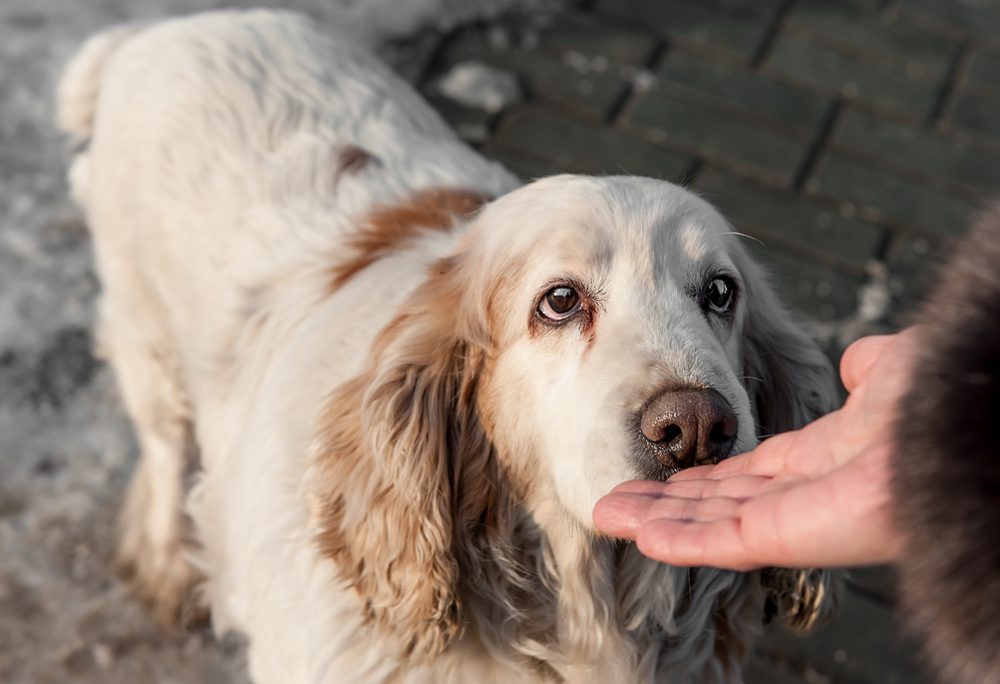
You should never rush to pet a dog. Even dog owners make the mistake of approaching unfamiliar dogs and petting them rig...
Read More
Puppy mill dogs are survivors who have endured extreme hardships in their lives. They have grown up in horrendous, unsan...
Read More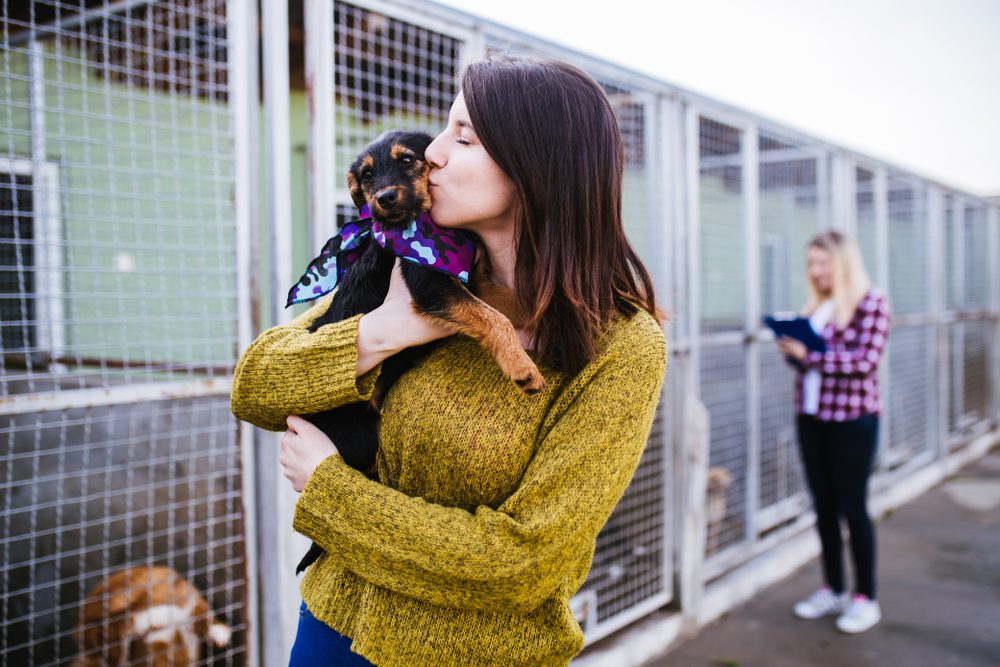
With their wagging tails and comforting presence, adopting a dog can add a unique touch to your life. It’s a heart...
Read More
Older dogs may have a few gray hairs around the edges, but that doesn’t mean they can’t make wonderful companions! T...
Read More