




























































































































































































Introducing a new puppy to your current dog is often an exciting process, and many dogs will become fast friends and eas...
Read MoreAdopt Me

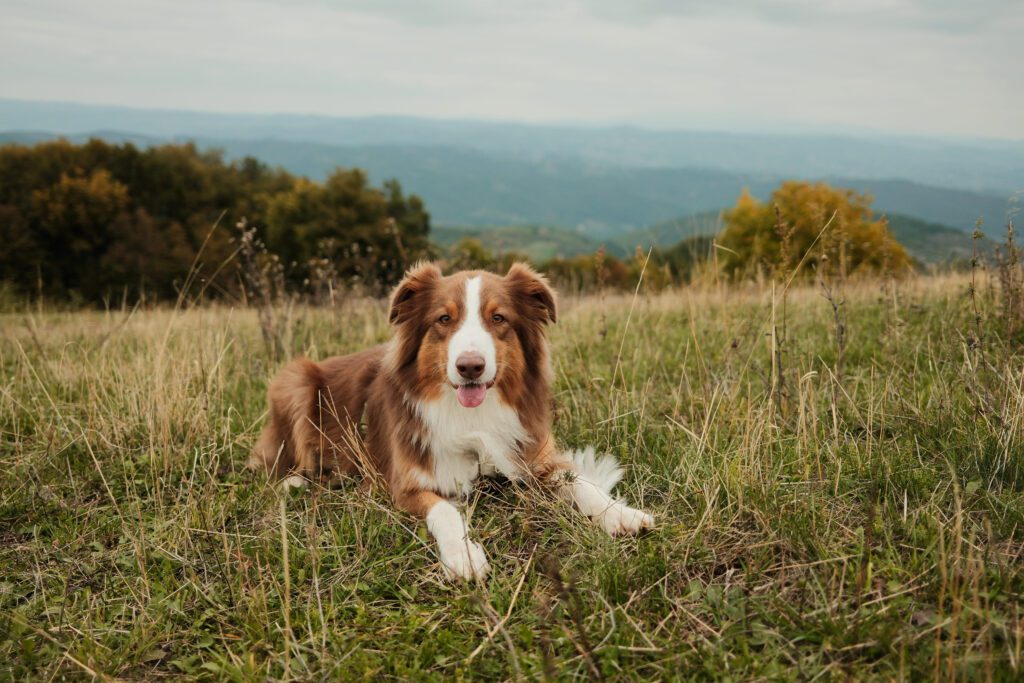
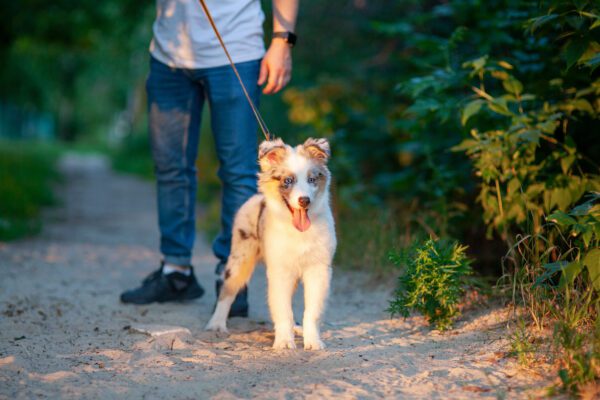
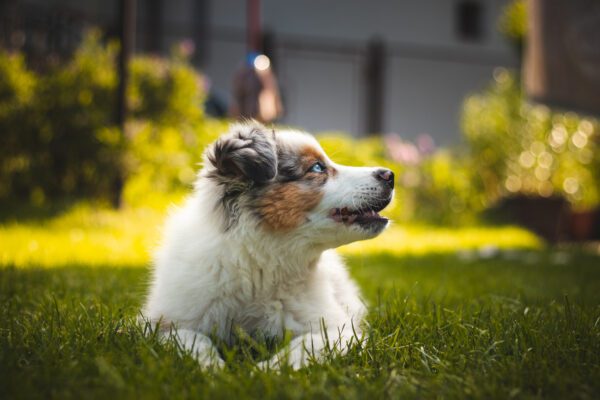
Toy Aussies are bright, affectionate, and energetic companions. They form deep bonds with their people and often follow their favorite human from room to room. This breed packs herding drive into a compact body, so it offers big-dog smarts with a small footprint. Careful research before adoption helps you match their energy, grooming needs, and social nature with your daily routine.
Adoption gives a deserving dog a second chance and supports responsible animal welfare. Many adoptable Toy Aussies already receive basic veterinary care and behavioral evaluations, which helps families start strong. Choosing adoption also reduces demand for irresponsible breeding and helps make space for more dogs in need.
Texas can be a great fit for a Toy Aussie when you plan for climate and lifestyle. The state’s heat requires shaded walks, frequent water breaks, and indoor rest during the hottest hours. Urban Texans can meet exercise needs with brisk morning and evening walks plus indoor enrichment. Suburban and rural Texans can use fenced yards and safe open spaces while supervising, because Toy Aussies may try to herd moving people and pets. With the right schedule, this breed thrives across Texas.
You can avoid searching rescues and shelters separately by using Dog Academy, which organizes adoption listings in one place. You can browse available Toy Aussies, filter by location, and save time. You can also find educational guides and adoption checklists that help you prepare your home, plan a meet-and-greet, and understand next steps.
In Texas, adoptable Toy Aussies appear through local animal shelters, regional rescues, breed-specific rescue groups, and foster-based networks. Some groups list dogs across multiple cities, and transport is often arranged by rescues to move dogs between locations when a strong match is found. You can also watch for community adoption events where foster volunteers introduce dogs to potential adopters.
Start by browsing listings and reading each profile carefully. Profiles usually describe age, size, temperament, activity level, and any known health or training notes. Make a shortlist of dogs that fit your lifestyle. Consider how much daily exercise you can provide, how your home handles dog traffic, and whether you can commit to ongoing training.
Applications are detailed and help match dogs to the right homes. You should expect questions about your schedule, experience with herding breeds, housing, and plans for training and exercise. Many groups contact references, verify landlord approval when needed, and schedule a virtual or in-person home check. Meet-and-greets allow you to see how the Toy Aussie interacts with you, your family, and any resident pets. Approval timelines vary from a few days to a few weeks depending on your readiness, reference response time, and the dog’s needs.
Before you bring your new dog home, set up a safe space with a crate or gated area, food and water bowls, a flat buckle collar, an identification tag, and a secure leash. Plan a calm first week focused on routine, short training sessions, and gradual introductions. This steady approach helps a Toy Aussie settle and builds trust from day one.
|
How Much Does It Cost to Adopt a Toy Aussie in Texas?In Texas, a realistic adoption fee for a Toy Aussie usually ranges from $250 to $500. Puppies and highly social dogs that show easy adaptability may sit at the higher end, while adults and seniors often land in the middle of the range. Fees reflect the cost of spaying or neutering, vaccinations, microchipping, and veterinary exams that prepare the dog for a healthy start. Age, training history, medical care, and regional demand can all affect the fee. Some groups add modest costs for transport when a dog is moved from another city or state to complete an approved match, and that service covers safe travel arrangements. Plan a separate budget for supplies, preventive veterinary care, and ongoing training to support long-term success. |
How Should I Train a Toy Aussie?Toy Aussies are exceptionally intelligent and eager to learn, which makes training rewarding and fast paced. They respond best to positive reinforcement that uses food rewards, praise, and play. Keep sessions short and fun, rotate skills often, and end on a success so your dog stays engaged. Common challenges include herding nipping, reactivity toward fast movement, and vocalizing when excited. Early socialization with calm dogs and people teaches polite greetings and good manners. Focus on impulse control, recall, and loose-leash walking to channel energy into clear jobs. Crate training and relaxation on a mat help a busy Toy Aussie switch off inside the home. If you want structured guidance, explore Dog Academy’s online training courses. You can follow step-by-step lessons that build foundation skills, address problem behaviors, and create a consistent plan for everyone in the household. A clear plan reduces frustration and speeds progress. |

|
The ideal owner for a Toy Aussie enjoys daily activity, consistent routines, and time for training and play. Families who provide mental games and clear structure see the best results. Apartment dwellers can succeed with scheduled walks, enrichment, and indoor training. Households with yards can add fetch, agility-style games, and scent work while keeping sessions safe and supervised.
Take your time to research, prepare your home, and meet several dogs before you choose. A thoughtful match leads to a smoother transition and a happier life together. Start with trusted listings, set a realistic budget, plan for training, and move at a steady pace. Your Toy Aussie is out there, and the right preparation will help you welcome a wonderful Texas companion.

Introducing a new puppy to your current dog is often an exciting process, and many dogs will become fast friends and eas...
Read More
Rescue dogs can make great companions and can transform your home into something better. These dogs make great pets and ...
Read More
You should never rush to pet a dog. Even dog owners make the mistake of approaching unfamiliar dogs and petting them rig...
Read More
Puppy mill dogs are survivors who have endured extreme hardships in their lives. They have grown up in horrendous, unsan...
Read More
With their wagging tails and comforting presence, adopting a dog can add a unique touch to your life. It’s a heart...
Read More
Older dogs may have a few gray hairs around the edges, but that doesn’t mean they can’t make wonderful companions! T...
Read More