




























































































































































































Introducing a new puppy to your current dog is often an exciting process, and many dogs will become fast friends and eas...
Read MoreAdopt Me

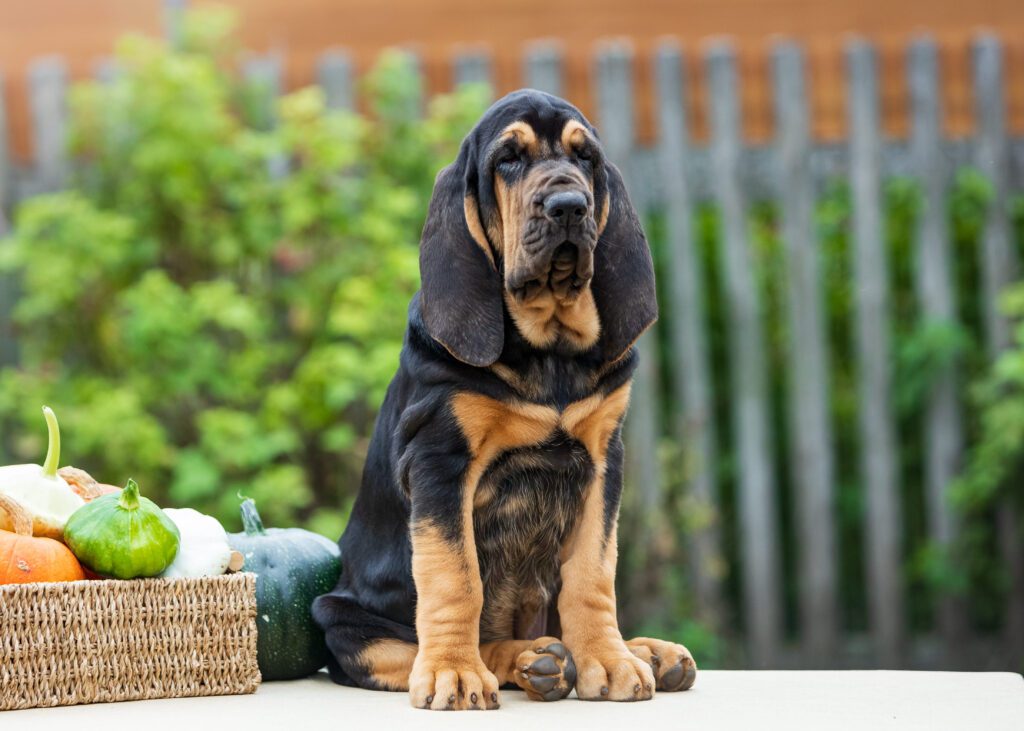

A Bloodhound is gentle, loyal, and famously gifted with a powerful nose. The breed brings warmth to family life and works hard when given a job. A Bloodhound thrives with structure, patient guidance, and regular scent-based enrichment.
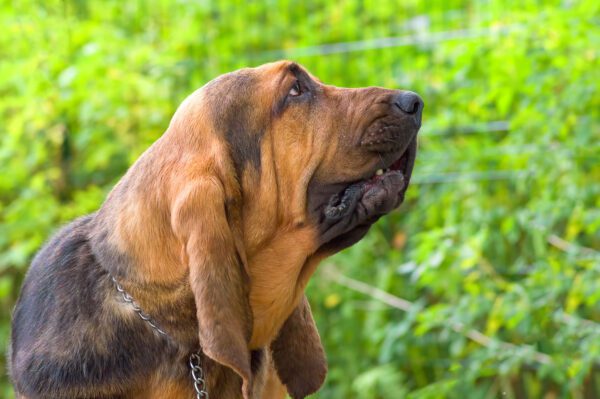
Adopting a Bloodhound requires careful research. The breed is large, vocal, and independent, and it drools and sheds. Long ears and loose skin need regular cleaning to prevent irritation. A thoughtful plan sets your new companion up for success and helps you choose a dog whose energy and temperament match your home.
Adoption often offers a healthier choice than buying because many adoptable dogs are already vetted and behaviorally evaluated. Texas can be a great fit for a Bloodhound because the state offers wide open spaces, varied terrain, and many dog-friendly activities. Texas heat can be intense, so daily exercise should happen in the cool morning or evening. Shade, fresh water, and rest breaks protect a Bloodhound’s well-being in warm weather. City living works when you provide daily walks, mental stimulation, and calm indoor space. Rural living suits the breed’s love of tracking and long sniffing adventures.
You can avoid searching rescues and shelters separately by browsing listings on Dog Academy. The platform gathers adoptable dogs from across Texas, so you can filter by age, size, and location in one place. Dog Academy also provides educational guides and adoption checklists that explain how to prepare your home, choose supplies, and plan the first 30 days.
Adoptable Bloodhounds appear through local animal shelters, regional rescues, breed-specific rescue groups, and foster-based networks. Start by reading each dog’s profile and noting age, health, energy level, and behavior notes. Profiles often describe a dog’s comfort with children, other dogs, and cats, which helps you match a dog to your household.
The process usually begins with an online application that asks about your schedule, experience with large breeds, and housing details. Many groups request landlord approval when you rent. After the application, coordinators schedule a meet-and-greet so everyone in your home can interact with the dog. A home check may follow, which can be virtual or in person, to confirm safe containment, shade, and space for a large hound. Final approval ends with an adoption contract and fee, and some groups offer a short foster-to-adopt period to ensure a good fit.
Approval timelines vary by group, dog, and scheduling. Straightforward cases often move in 3 to 14 days. Dogs recovering from medical care or waiting for spaying or neutering may take longer. Transport is sometimes available when a dog is outside your area. Transport is often arranged by rescues to move dogs between states or Texas cities, and it can involve volunteer drivers or licensed carriers who follow set routes and handoffs. Transport may add a modest fee and a coordinated pickup time at a safe meeting point.
|
How Much Does It Cost to Adopt a Bloodhound in Texas?Most adopters in Texas pay $200 to $450 to adopt a Bloodhound. Puppies often land near the higher end due to demand and vaccination needs, while seniors and special-needs dogs may be closer to $150 to $300. Fees reflect common veterinary care that includes spaying or neutering, vaccinations, microchipping, and veterinary exams. Many groups also include heartworm testing, parasite prevention, and any necessary medications, which can raise costs when treatment is required. Age, training, medical history, and regional demand all influence price. A puppy or a fully trained adult tends to cost more than an older dog. A dog that received recent dental care or orthopedic treatment may have a higher fee to offset expenses. Groups sometimes subsidize special-needs dogs to speed placement, which can lower the fee. |
How Should I Train a Bloodhound?A Bloodhound is smart, sensitive, and intensely scent-driven. The breed learns best with positive reinforcement that uses food rewards and calm praise. Short, focused sessions help the dog concentrate, and clear routines reduce frustration. A strong nose can compete with your cues, so training must make listening more rewarding than following a scent. Common challenges include pulling on leash, selective recall, and vocalizing when excited. Teach loose-leash walking with frequent rewards for position and attention. Build recall with a long line, high-value treats, and gradual distance so success stays high. Add impulse control exercises like sit-stay at doors, settle on a mat, and polite greetings. Gentle handling of ears, paws, and skin prevents struggles at cleaning time, which matters for a Bloodhound’s long ears and wrinkles. Use scent games, tracking exercises, and puzzle feeders to satisfy the breed’s natural drive. Mental work reduces boredom and supports calm behavior at home. For step-by-step guidance designed for real-life results, try Dog Academy’s online training courses, which cover obedience, leash manners, recall, and enrichment tailored to all ages and experience levels. |
|
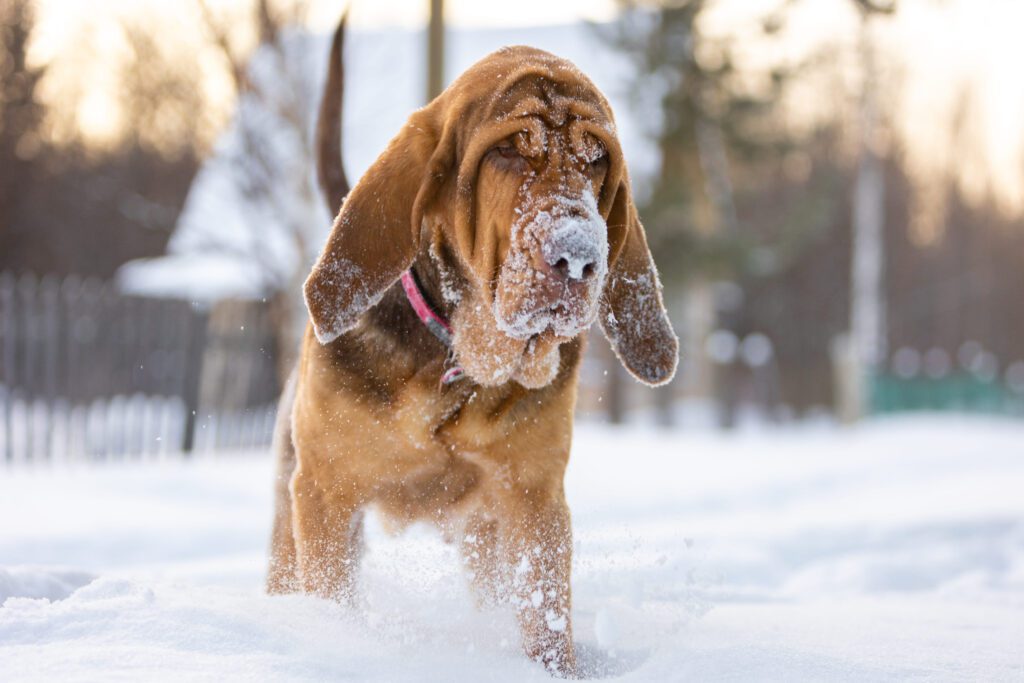
The ideal Texas adopter enjoys daily walks during cool hours, provides a secure yard, and appreciates a dog that loves to explore with its nose. A Bloodhound thrives with patient leadership, consistent training, and a quiet place to rest between outings. Families who value routine and can manage drool and grooming find the breed especially rewarding.
Preparation leads to a smooth transition. Gather supplies, set house rules, and plan the first week of routines before your dog arrives. Take your time, ask thoughtful questions, and choose a dog whose needs match your lifestyle. When you are ready to adopt a Bloodhound in Texas, use Dog Academy’s statewide listings to find a great match, and build a training plan that supports a happy life together.

Introducing a new puppy to your current dog is often an exciting process, and many dogs will become fast friends and eas...
Read More
Rescue dogs can make great companions and can transform your home into something better. These dogs make great pets and ...
Read More
You should never rush to pet a dog. Even dog owners make the mistake of approaching unfamiliar dogs and petting them rig...
Read More
Puppy mill dogs are survivors who have endured extreme hardships in their lives. They have grown up in horrendous, unsan...
Read More
With their wagging tails and comforting presence, adopting a dog can add a unique touch to your life. It’s a heart...
Read More
Older dogs may have a few gray hairs around the edges, but that doesn’t mean they can’t make wonderful companions! T...
Read More