




























































































































































































Introducing a new puppy to your current dog is often an exciting process, and many dogs will become fast friends and eas...
Read MoreAdopt Me

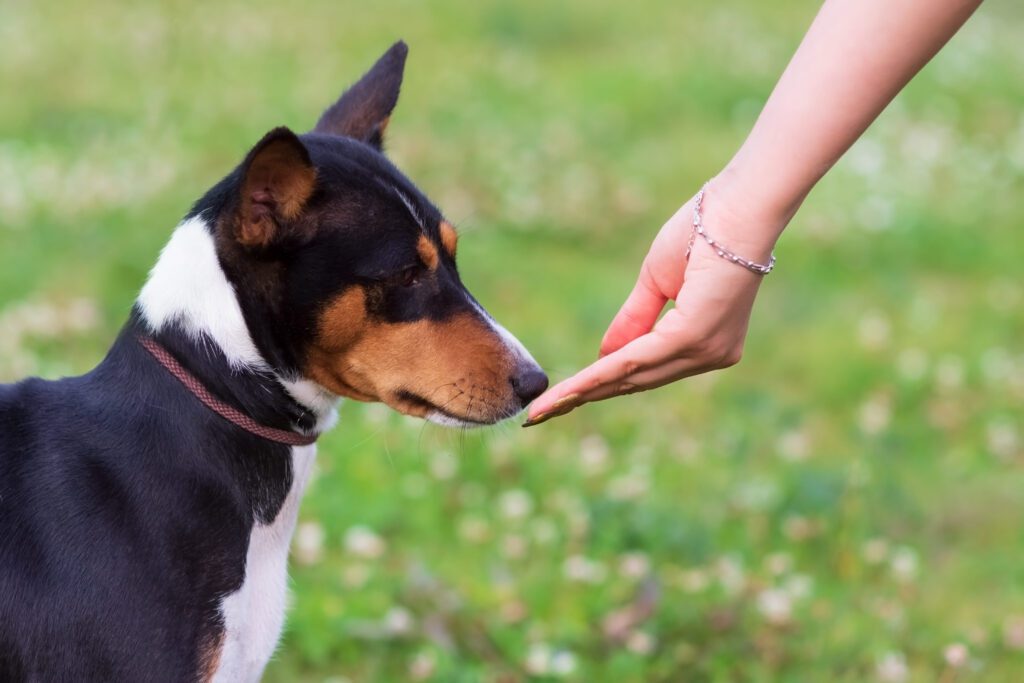
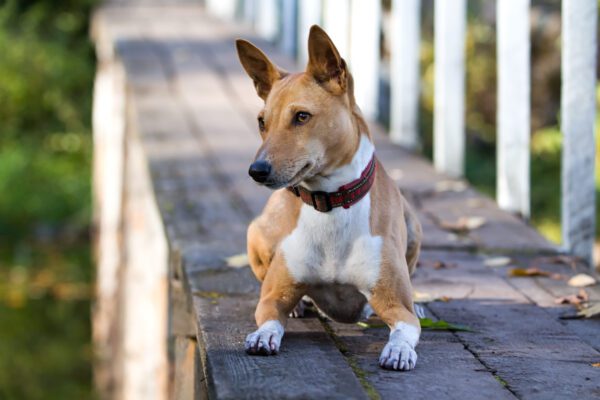
The Basenji is a bright, catlike hound with keen eyes, quick reflexes, and a quiet nature. Many people love the breed’s tidy grooming habits, graceful movement, and signature yodel. This dog bonds deeply with family and stays alert to every sight and scent. Thoughtful research matters because the Basenji is independent, athletic, and full of curiosity.
Adoption gives a dog a second chance and helps reduce demand for commercial breeding. It often provides clear health records and recent veterinary care. You also gain insight from caretakers who know the dog’s personality. In Texas, the Basenji’s short coat suits warm weather, yet the heat can be intense. The dog needs shaded rest, cool water, and exercise during cooler hours. Texas offers varied terrain from coastal humidity to dry plains. Secure fencing and careful off-leash management are important anywhere that wildlife and open spaces increase temptation to chase.
Basenjis thrive with active owners who enjoy daily walks and games. Apartment living can work when exercise and enrichment are consistent. Cold snaps do occur in Texas, and a light coat means the dog needs a warm indoor space. With preparation and patience, a Basenji can be a joyful companion across the state’s cities, suburbs, and rural areas.
You can skip separate searches of rescues and shelters by browsing listings on Dog Academy. You can filter by location and traits, then review profiles to see age, size, and temperament. You can also use Dog Academy’s educational guides and adoption checklists to prepare your home, plan introductions, and understand the first 30 days with your new dog.
Beyond Dog Academy, you can look for adoptable Basenjis through local animal shelters, regional rescues, and breed-specific rescue groups. New dogs arrive often, so consistent checking helps. Read each profile carefully to confirm energy level, social history, and any medical notes. Basenjis are sighthounds with a strong chase instinct, which means they need secure containment and structured activity. Understanding these needs helps you choose a dog that matches your lifestyle.
The process usually starts by browsing listings, then completing an application that covers experience, housing, and daily schedule. Many groups verify veterinary references and landlord approval when applicable. A phone interview follows to confirm fit. Meet-and-greets happen at a shelter, a foster home, or a neutral location, and introductions with resident pets are often required. Home checks confirm safe fencing, secure gates, and a planned rest area. Some organizations offer foster-to-adopt trials to ensure a smooth match.
Approval timelines vary by group and by the dog’s needs. Most organizations respond within 3 to 10 days, and complex cases may take 2 to 3 weeks. If the perfect dog is in another city, transport may be arranged by rescues to move dogs between locations, which expands your options across Texas. After approval, you sign an adoption contract, pay the fee, and receive medical records and transition advice.
|
How Much Does It Cost to Adopt a Basenji in Texas?In Texas, adoption fees for a Basenji typically range from $300 to $550. Puppies and young adults sit near the top of the range, while seniors and special-needs dogs are often lower. Fees usually include spaying or neutering, vaccinations, microchipping, and veterinary exams. Some groups also include heartworm testing, deworming, and a starter supply of food or preventatives. Age, training, medical care, and demand all affect pricing. A dog with recent training or professional fostering may cost more due to invested time. A dog that received dental work or advanced diagnostics may also cost more. High demand in larger Texas metros can nudge fees upward, while quieter areas may list slightly lower fees. |
How Should I Train a Basenji?Basenjis are intelligent and observant, yet they can be independent problem solvers. They learn quickly when sessions are short, upbeat, and rewarding. Use high-value treats, a clear marker word, and frequent breaks. Avoid harsh corrections, which can create avoidance and reduce trust. Positive reinforcement builds focus and keeps this curious hound engaged. Start with name recognition, settle on a mat, and loose-leash walking. Add impulse control games like wait at doors and leave it. Recall is challenging for many sighthounds, so train it carefully on a long line and practice in low-distraction spaces. Crate training supports calm rest and safe travel. Daily enrichment such as scent games, food puzzles, and fetch-style sprints helps channel energy and reduces unwanted behaviors like counter surfing or door dashing. Consistent guidance makes all the difference. For structured, step-by-step support tailored to real life, explore Dog Academy’s online training courses. You can build reliable manners, reduce pulling, and condition a strong recall with proven, reward-based methods. |

|
The ideal Basenji adopter enjoys daily activity, values mental enrichment, and keeps a secure yard or a solid leash routine. The owner stays patient with an independent thinker and protects the dog from heat with shaded breaks and cool water. A calm home routine and clear training plan help this breed shine.
Take time to research, prepare your space, and speak openly with adoption counselors about your goals. The right match is worth the wait. When you are ready, browse available dogs through Dog Academy and move forward with confidence, clarity, and care.

Introducing a new puppy to your current dog is often an exciting process, and many dogs will become fast friends and eas...
Read More
Rescue dogs can make great companions and can transform your home into something better. These dogs make great pets and ...
Read More
You should never rush to pet a dog. Even dog owners make the mistake of approaching unfamiliar dogs and petting them rig...
Read More
Puppy mill dogs are survivors who have endured extreme hardships in their lives. They have grown up in horrendous, unsan...
Read More
With their wagging tails and comforting presence, adopting a dog can add a unique touch to your life. It’s a heart...
Read More
Older dogs may have a few gray hairs around the edges, but that doesn’t mean they can’t make wonderful companions! T...
Read More