




























































































































































































Introducing a new puppy to your current dog is often an exciting process, and many dogs will become fast friends and eas...
Read MoreAdopt Me

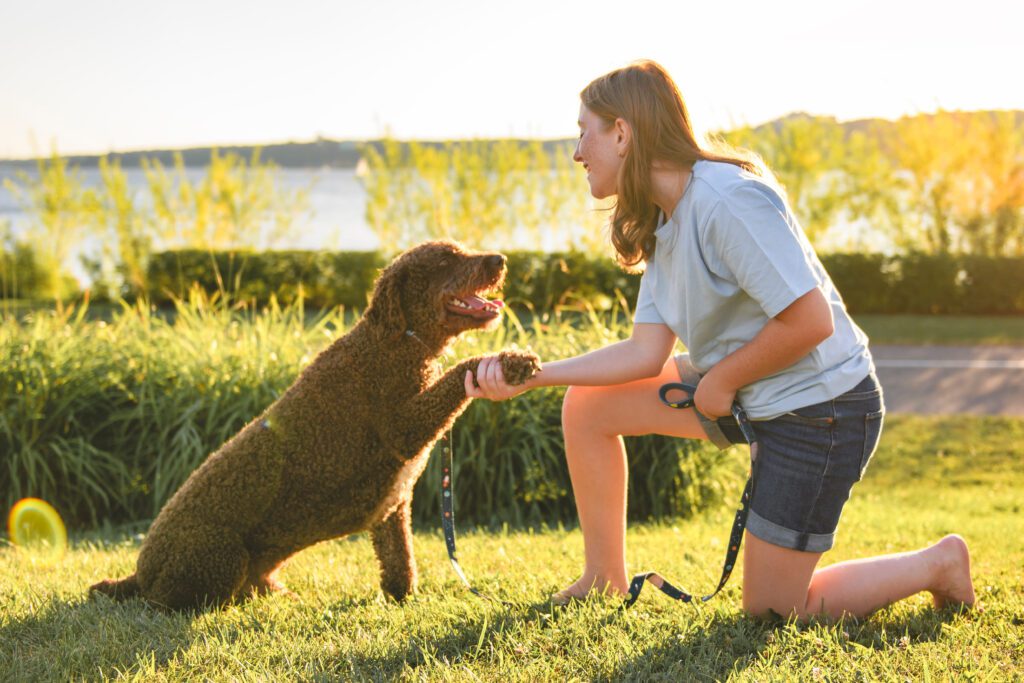



A Portuguese Water Dog is an athletic, affectionate, and highly intelligent partner that thrives with daily activity and close family time. This breed loves water, works eagerly, and bonds deeply, which makes it an excellent fit for active households that enjoy training and outdoor adventures. Careful research before adoption helps you match energy levels, grooming needs, and training goals with your lifestyle.
Adoption is a responsible choice because it gives a deserving dog a new start while supporting the vital work of shelters and rescues. Adopted dogs often come with essential veterinary care, which eases the first months at home. Choosing adoption over buying also reduces demand for irresponsible breeding practices and helps more dogs find lasting homes.
Texas offers plenty of opportunities for exercise with lakes, rivers, and wide-open trails. The long, hot summer requires thoughtful planning, steady hydration, and safe swim sessions during cooler hours. Urban living can work well when you provide consistent training, mental enrichment, and scheduled exercise. The breed’s curly coat manages many environments, yet heat, humidity, and high pollen seasons in Texas still call for regular grooming and skin checks.
You can avoid searching separate rescues and shelters by using Dog Academy to browse adoption listings in one place. Dog Academy also offers clear educational guides and adoption checklists that help you prepare, ask the right questions, and compare options confidently. You can still check local animal shelters, regional rescues, and breed-specific rescue groups, but a single, organized dashboard saves time and reduces stress.
Start by reading each listing closely. Note age, temperament, activity needs, medical history, and any training the dog already has. Submitting an application usually comes next. Applications often request details about your schedule, home setup, experience with energetic breeds, and veterinary references. Clear, complete answers help teams understand your lifestyle and suggest the best match.
Most groups arrange a meet-and-greet after your application is reviewed. Meetings can take place at a facility, a foster home, or a neutral public space. Many organizations also complete a home check, which can be virtual or in person, to confirm safety, secure fencing, and reasonable space for exercise. Approval timelines vary, and most adoptions in Texas take 3 to 14 days after the application, although puppies and special cases can take longer. Foster-to-adopt trials may be offered so both you and the dog can adjust under guidance.
Transport sometimes helps match dogs with the right homes across long distances. Transport is often arranged by rescues to move dogs between locations using volunteer drivers or licensed carriers. Teams coordinate schedules, health records, and supplies, and adopters may cover a modest transport fee if the dog travels between cities or from out of state. Always confirm who handles the travel plan and what support is provided on arrival.

|
How Much Does It Cost to Adopt a Portuguese Water Dog in Texas?In Texas, a realistic adoption fee for a Portuguese Water Dog typically ranges from $300 to $650 through breed-focused groups, with municipal shelters sometimes falling on the lower end when one becomes available. Fees reflect the dog’s age, training level, and medical history, as well as local demand for this energetic, rarer breed. Puppies and young adults often cost more due to high interest, while seniors and special-needs dogs may have reduced fees to encourage thoughtful placement. Most adoption fees help cover spaying or neutering, vaccinations, microchipping, and veterinary exams. Costs also rise when a dog receives dental care, specialized diagnostics, or behavioral support before placement. Pricing can vary by region in Texas since veterinary costs, grooming needs, and transport arrangements differ between urban and rural areas. |
How Should I Train a Portuguese Water Dog?The breed is bright, athletic, and eager to work, which makes training rewarding when you provide structure and consistency. Positive reinforcement with food rewards, toys, and praise builds reliable behaviors and a strong bond. Short, focused sessions work best. Teach engagement, impulse control, and recall before adding more complex tasks. Common challenges include jumping to greet, mouthing due to a strong retrieving instinct, and restlessness when exercise or mental enrichment is limited. Early socialization with people, calm dogs, and new environments builds confidence and good manners. Introduce loose-leash walking, calm crate time, and a solid settle on a mat to help your dog relax. Water activities are excellent outlets, but always supervise swim time and rinse the coat after sessions to protect skin and keep the coat healthy in Texas heat. For step-by-step support, explore Dog Academy’s online training courses. You can follow clear lessons for obedience, leash skills, crate success, and polite greetings, and you can progress at your own pace from home. |
|
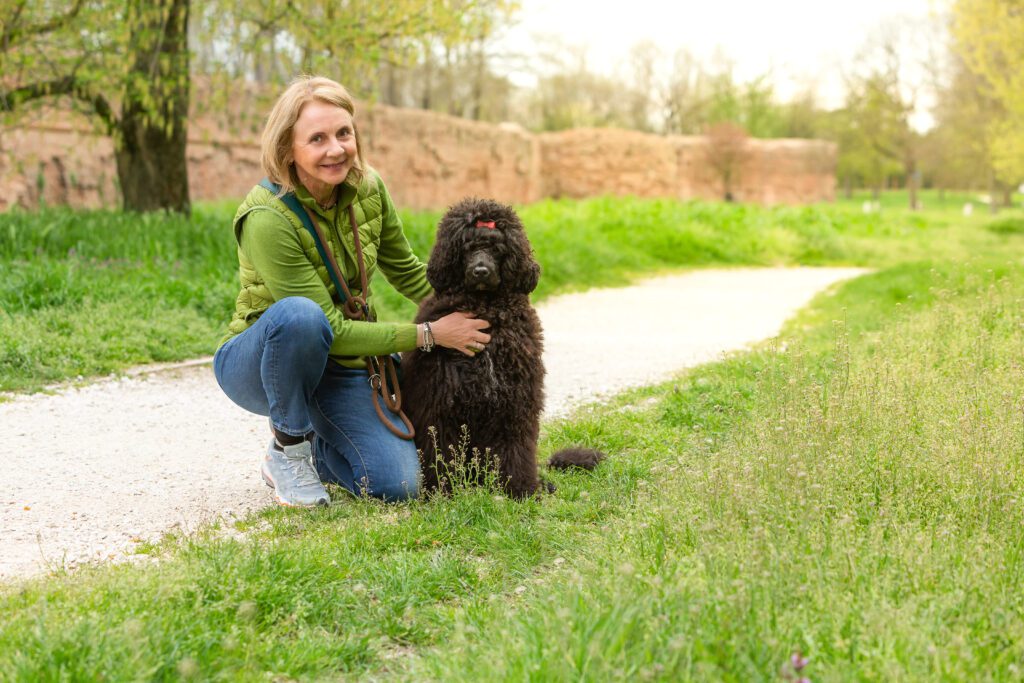
The ideal adopter enjoys daily activity, consistent training, and shared time both indoors and outdoors. A Portuguese Water Dog does best with owners who provide structure, enrichment, and regular grooming. A fenced yard is helpful, yet committed city dwellers can succeed with scheduled walks, swim sessions, and mental work that challenge a smart working dog.
Take time to prepare your home, gather supplies, and set training goals before you bring a dog home. Move through the process at a thoughtful pace and ask every question you have along the way. When you are ready, use Dog Academy to compare listings, learn, and confidently adopt a Portuguese Water Dog in Texas.

Introducing a new puppy to your current dog is often an exciting process, and many dogs will become fast friends and eas...
Read More
Rescue dogs can make great companions and can transform your home into something better. These dogs make great pets and ...
Read More
You should never rush to pet a dog. Even dog owners make the mistake of approaching unfamiliar dogs and petting them rig...
Read More
Puppy mill dogs are survivors who have endured extreme hardships in their lives. They have grown up in horrendous, unsan...
Read More
With their wagging tails and comforting presence, adopting a dog can add a unique touch to your life. It’s a heart...
Read More
Older dogs may have a few gray hairs around the edges, but that doesn’t mean they can’t make wonderful companions! T...
Read More