



























































































































































































Introducing a new puppy to your current dog is often an exciting process, and many dogs will become fast friends and eas...
Read MoreAdopt Me

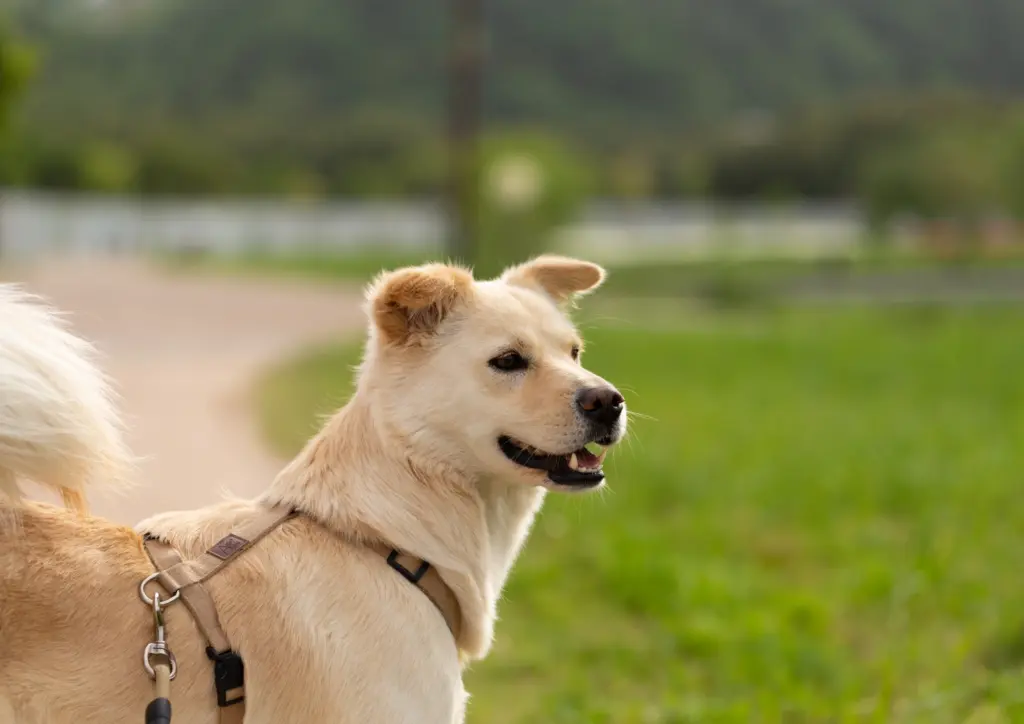
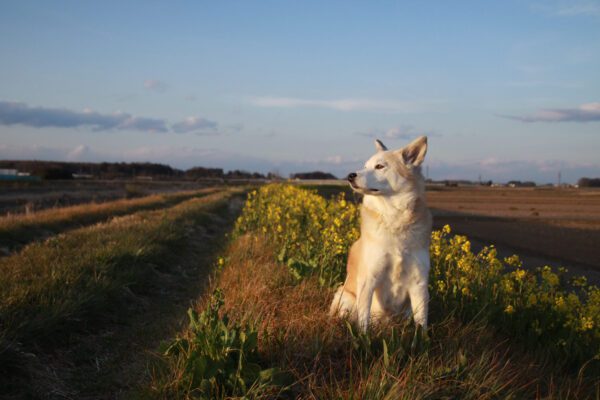
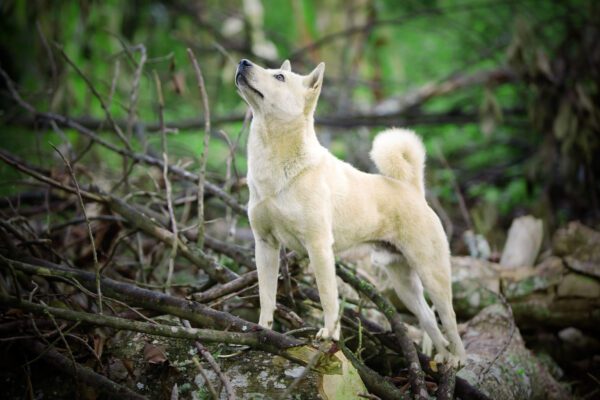
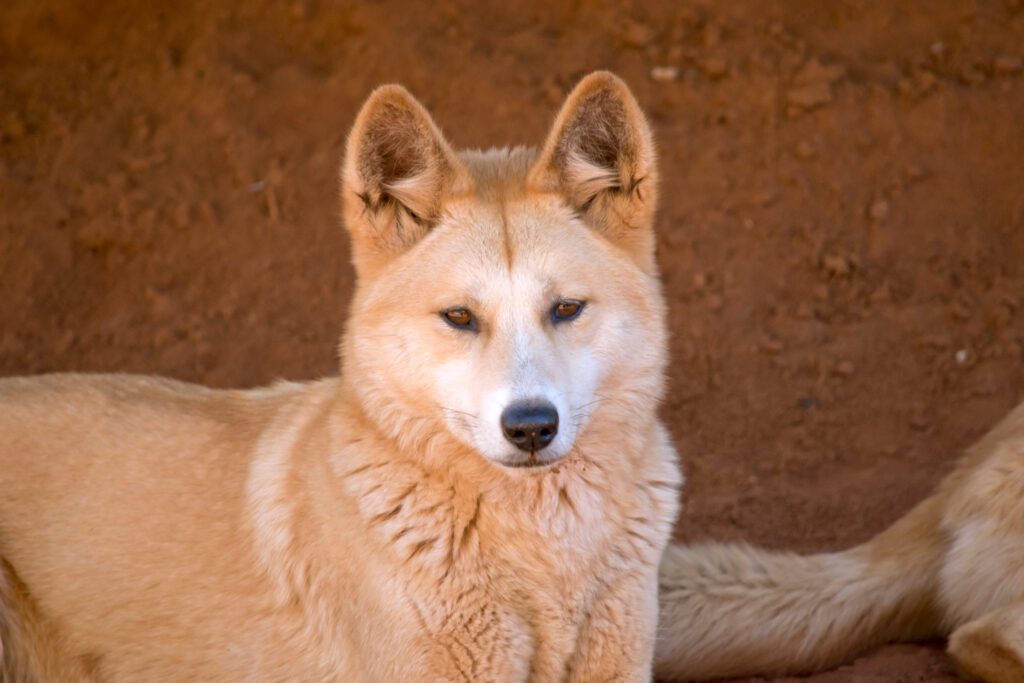
The Korean Jindo is loyal, intelligent, and quietly confident. This breed forms a deep bond with one household and often chooses a favorite person. Many Jindos stay calm indoors and become athletic outdoors, which suits active families who enjoy daily walks and structured play. Their clean habits and catlike grooming make them appealing companions for neat homes.
Research matters before you adopt a Korean Jindo in Texas. The breed tends to be independent and cautious with strangers, with a strong prey drive that makes off-leash freedom risky. Jindos shed seasonally and carry a dense double coat. The coat protects against heat and cold, yet Texas summers still demand careful management. Plan exercise during cooler morning or evening hours, provide shade and water, and avoid hot pavement to protect paws.
Adoption is a thoughtful choice that helps a dog in need and supports responsible animal care. Many adopted Jindos arrive already vetted, which adds value and peace of mind. Texas offers diverse living options that can work well for a Jindo, from urban apartments to rural properties. A secure yard with tall fencing is important because Jindos are agile and curious. The size of Texas can stretch travel times, so planning for pickups and follow-up appointments keeps stress low for both you and the dog.
You can skip searching rescues and shelters one by one by browsing Dog Academy. The adoption listings gather dogs from local animal shelters, regional rescues, and breed-specific rescue groups so you can compare options in one place. Dog Academy also offers educational guides and adoption checklists that help you prepare with confidence. When you review profiles, look for details about temperament, energy level, home requirements, and any training or medical updates.
Most groups ask you to submit an application that describes your home, schedule, experience with independent breeds, and plans for training and containment. You may be asked for landlord approval if you rent and confirmation of your fence height if you have a yard. A screening call often follows to discuss fit. Timelines vary, yet many approvals take 1 to 3 weeks. If the right Jindo is outside your city, rescues may arrange transport between locations. Transport is often arranged by rescues to move dogs between states, and costs are either included in the fee or collected separately.
Meet-and-greets are important for Jindos because the breed values calm introductions. Expect a visit where all family members attend. Bring resident dogs for a slow, structured greeting on neutral ground. Home checks help ensure safety and comfort for the dog. A home check verifies secure fencing, safe storage of trash and chemicals, and a quiet space for decompression. Some groups complete home checks by video when distance is large. A foster-to-adopt trial may be offered, which gives the dog a chance to settle while everyone confirms a good match.
When approved, you will sign an adoption contract, pay the fee, and receive medical records and guidance on the first week at home. Plan a smooth transition with a crate, gates, and a quiet room, since Jindos relax faster when they have structure. Many groups provide post-adoption support, which can include check-in calls and training advice during the first month.
|
How Much Does It Cost to Adopt a Korean Jindo in Texas?Most families in Texas should expect to pay $300 to $550 to adopt a Korean Jindo. Fees at the lower end are more common at municipal shelters. Fees at the higher end are more common with breed-focused rescues that invest in training and medical updates. The fee often includes spaying or neutering, vaccinations, microchipping, and veterinary exams. Age, demand for the breed, prior training, and the level of medical care influence cost. If transport is needed, plan for an added $75 to $200 depending on distance and logistics. |
How Should I Train a Korean Jindo?Jindos are smart, observant, and capable of learning quickly when training is fair and consistent. They do best with positive reinforcement, calm handling, and clear routines. Use a variety of rewards that include food, play, and sniffing breaks. Keep sessions short and focused to prevent boredom. Teach foundation skills that include loose-leash walking, place, recall, and impulse control. A long line in open areas gives safe freedom while you build reliability. Socialization works best when it is slow and structured. Introduce new people and dogs in quiet settings rather than busy dog parks. Manage the strong prey drive with secure fencing and leashed outings. Use enrichment that includes scent games, puzzle feeders, and short training drills to satisfy the mind. For expert guidance tailored to independent breeds, explore Dog Academy’s online training courses, which cover basics, leash manners, recall, and confidence-building for cautious dogs. |
|
The ideal Texas home for a Korean Jindo offers patient leadership, daily exercise, and a secure yard. Families that value routine and enjoy thoughtful training often thrive with this breed. Supervise interactions with children and small pets, and give the dog a quiet space to rest when the home is busy.
Preparation leads to a smooth adoption. Gather supplies, choose a veterinarian, and plan a simple schedule for the first 2 weeks. Take time to research, ask questions, and move at a pace that respects the dog. When you adopt a Korean Jindo in Texas with a clear plan, you give a remarkable dog the stable home it deserves and you gain a loyal partner for years to come.

Introducing a new puppy to your current dog is often an exciting process, and many dogs will become fast friends and eas...
Read More
Rescue dogs can make great companions and can transform your home into something better. These dogs make great pets and ...
Read More
You should never rush to pet a dog. Even dog owners make the mistake of approaching unfamiliar dogs and petting them rig...
Read More
Puppy mill dogs are survivors who have endured extreme hardships in their lives. They have grown up in horrendous, unsan...
Read More
With their wagging tails and comforting presence, adopting a dog can add a unique touch to your life. It’s a heart...
Read More
Older dogs may have a few gray hairs around the edges, but that doesn’t mean they can’t make wonderful companions! T...
Read More