



























































































































































































Introducing a new puppy to your current dog is often an exciting process, and many dogs will become fast friends and eas...
Read MoreAdopt Me




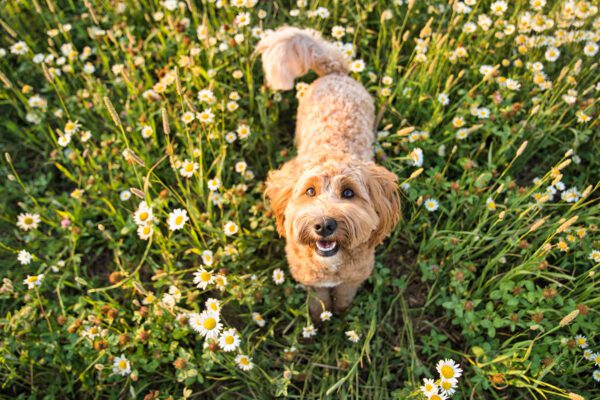
The Australian Labradoodle blends a gentle, people-focused temperament with high intelligence and a low-shedding coat. Families value the breed’s friendly nature, steady patience with children, and enthusiasm for learning. Careful research before adoption ensures that the dog’s exercise needs, grooming needs, and social needs match your lifestyle.
Adoption gives a deserving dog a fresh start while offering you transparent history, support from rescue teams, and lower costs than buying from a breeder. North Carolina suits the breed well thanks to abundant hiking trails, greenways, and dog-friendly communities. Hot and humid summers across the coastal plain and Piedmont call for careful heat management, consistent coat care, and access to shade and water. Cooler mountain regions offer excellent hiking, yet terrain and elevation changes require good conditioning and paw care. Daily activity and thoughtful grooming keep an Australian Labradoodle comfortable year-round in North Carolina.
You can skip searching shelters and rescues one by one by starting with Dog Academy, which centralizes adoption listings and provides guides and checklists for a smooth experience. You can also look at local animal shelters, regional rescues, and breed-specific rescue groups that work within North Carolina and surrounding states. Many dogs live in foster homes, which helps you learn about temperament, house manners, and compatibility with children or other pets.
The process usually begins by browsing listings and reading full profiles that describe age, size, energy level, medical history, and behavior. A complete application typically asks for personal information, vet references, landlord approval for renters, and details about your schedule and home. Accurate answers help adoption counselors evaluate fit and reduce delays.
After an application review, most groups schedule either a virtual or in-person meet-and-greet to observe interactions and to discuss routines, training goals, and grooming plans. Home checks often occur by video call or brief on-site visits to confirm safe fencing, secure gates, and suitable indoor space. Approval timelines vary by organization, but many decisions arrive within 1 to 3 weeks, especially when references and scheduling move quickly. Some organizations offer trial adoption periods to confirm the match before final paperwork.
Transport is often arranged by rescues to move dogs between locations when a great match lives far away. Transport can involve volunteer drivers or licensed carriers who coordinate routes, rest stops, and health certificates required for interstate travel. Modest transport fees may be added to the adoption total when long-distance travel is necessary.

|
How Much Does It Cost to Adopt a Australian Labradoodle in North Carolina?Most North Carolina adopters can expect fees of $250 to $550 for an Australian Labradoodle or close mix. Costs trend toward the higher end for puppies and young adults due to strong demand, recent preventive care, and early training. Older dogs or dogs with manageable medical needs may have lower fees to encourage placement. Fees rise with extensive veterinary care, recent training, or high interest in a specific dog. Adoption fees usually cover spaying or neutering, vaccinations, microchipping, and veterinary exams. Many groups also include deworming, heartworm testing, and a basic starter supply of food or preventives. Always ask for an itemized list so you understand what the fee includes and what remains your responsibility after adoption. |
How Should I Train a Australian Labradoodle?The Australian Labradoodle learns quickly and enjoys pleasing people, which makes the breed highly trainable. Positive reinforcement with treats, toys, and praise builds focus and confidence. Short, upbeat sessions help maintain enthusiasm and improve retention. Early socialization with calm dogs and friendly people supports the breed’s natural sociability and reduces the risk of anxiety. Common challenges include jumping to greet, pulling on leash, and overstimulation during exciting outings. Clear rules, consistent rewards, and practiced impulse control solve these issues. Teach reliable sit, down, stay, and recall, then add loose-leash walking and polite greetings. Introduce grooming routines early, including brushing, ear care, and nail trims, to keep the coat healthy and to prevent matting in North Carolina’s humidity. For structured support at home, explore Dog Academy’s online training courses, which cover puppy foundations, obedience, leash skills, and enrichment. Step-by-step lessons and trainer-backed guidance help you build good habits that last. |
|
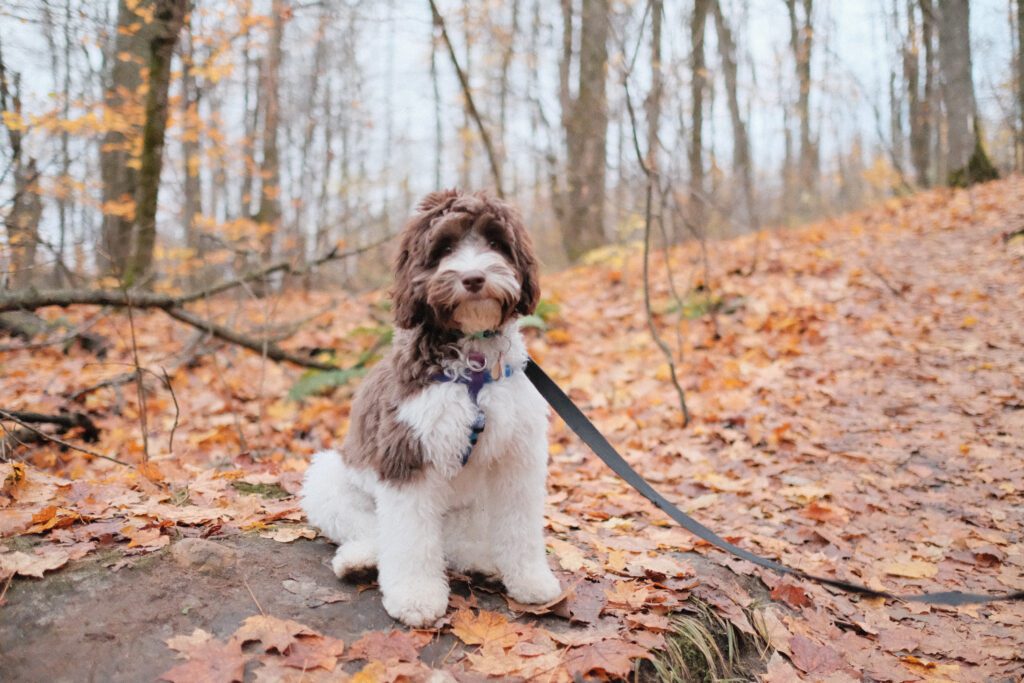
The ideal owner enjoys daily walks, regular play, and frequent training games. A strong match includes time for brushing several days each week and budget for professional grooming every 6 to 8 weeks. Families, active professionals, and first-time adopters with a learning mindset often thrive with this affectionate, eager partner.
Preparation sets you up for success. Gather supplies before homecoming, plan a quiet settling-in period, and line up training goals for the first 30 days. Take time to research, ask clear questions, and trust the process. With patience and the right support, you can adopt an Australian Labradoodle in North Carolina and build a happy life together.

Introducing a new puppy to your current dog is often an exciting process, and many dogs will become fast friends and eas...
Read More
Rescue dogs can make great companions and can transform your home into something better. These dogs make great pets and ...
Read More
You should never rush to pet a dog. Even dog owners make the mistake of approaching unfamiliar dogs and petting them rig...
Read More
Puppy mill dogs are survivors who have endured extreme hardships in their lives. They have grown up in horrendous, unsan...
Read More
With their wagging tails and comforting presence, adopting a dog can add a unique touch to your life. It’s a heart...
Read More
Older dogs may have a few gray hairs around the edges, but that doesn’t mean they can’t make wonderful companions! T...
Read More