
























































































































































































Introducing a new puppy to your current dog is often an exciting process, and many dogs will become fast friends and eas...
Read MoreAdopt Me

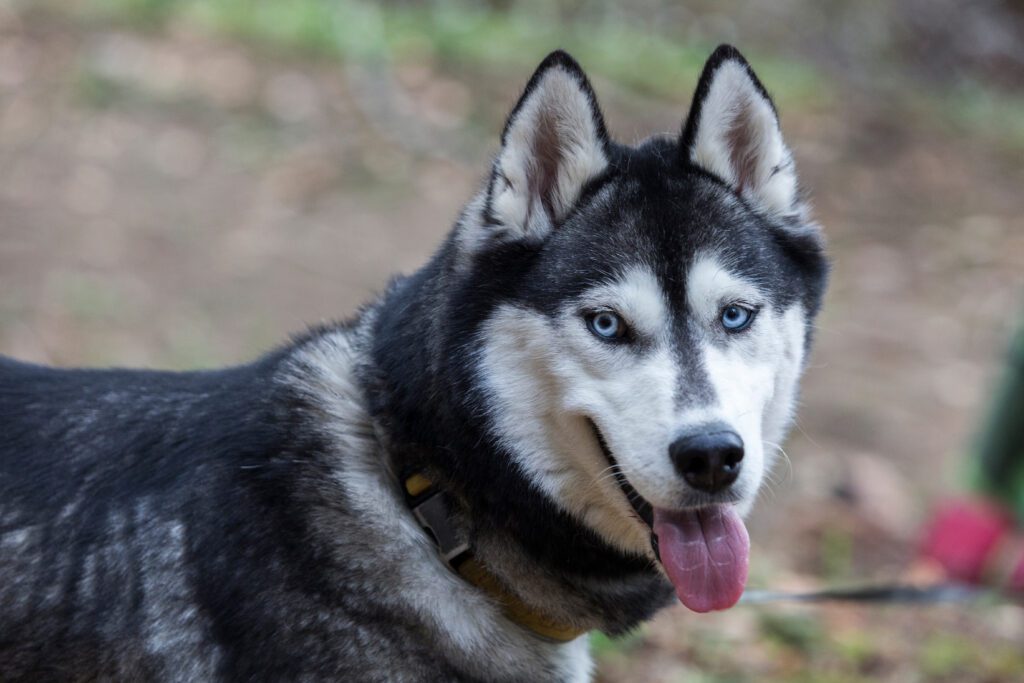
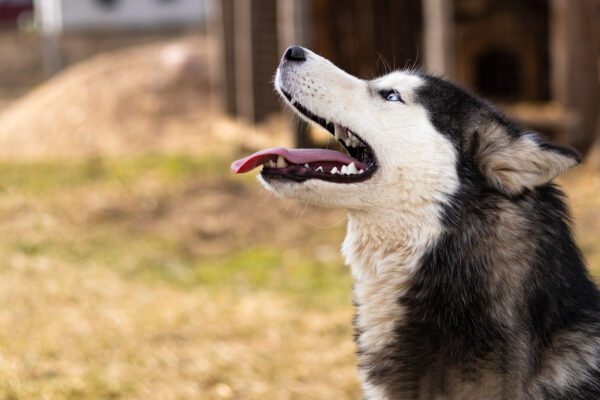
Alaskan Huskies are smart, athletic, and affectionate. They thrive with active people who enjoy long walks, runs, or hikes. This working dog type has stamina, a playful spirit, and a social nature. The breed often bonds closely with families and loves to be part of daily routines. Research matters before you adopt because an Alaskan Husky needs structure, consistent training, and daily exercise to feel calm and content.
Adoption gives a dog a second chance and supports lifesaving work. It often includes essential veterinary care, which reduces early costs and helps you start strong. Iowa’s cold winters suit an Alaskan Husky’s dense double coat. Iowa summers can be hot and humid, which means you must plan shaded walks, cool water, and rest during the warmest hours. With thoughtful management, the breed can live comfortably in all Iowa seasons.
Iowa offers quiet neighborhoods, country roads, and multi-use trails that are great for daily exercise. A secure yard helps with play and training, though apartment living can also work with a strong routine. Expect to provide 60 to 90 minutes of physical activity each day and frequent mental enrichment through training, scent games, and puzzle feeders. When you match the dog’s energy with your lifestyle, you set up a happy and lasting adoption.
You can skip searching separate shelters and rescues by using Dog Academy to browse adoption listings in one place. Dog Academy also offers educational guides and adoption checklists that help you prepare. You can still look through local animal shelters, regional rescues, and breed-specific rescue groups, but a single hub saves time and makes comparisons easier.
Start by browsing listings and reading each profile carefully. Look for notes on age, energy level, exercise needs, shedding, and any training or medical history. Make sure the dog’s activity level matches your routine in Iowa, especially during hot summers and snowy winters. When you find a good fit, complete the application with detailed and honest information so the team can match you well.
Most applications ask for personal details, proof of housing, landlord approval if you rent, and veterinary references if you have current or past pets. After review, you are usually invited to a meet-and-greet. Bring all household members and arrange a safe introduction with resident pets so everyone can assess compatibility. Ask questions about behavior, health, diet, and daily routines.
Some groups schedule a home check to confirm safety and readiness. This can be in person or virtual and focuses on secure fencing, safe storage of household items, and a plan for exercise and training. Approval timelines vary, but many adoptions move from application to decision in 3 to 14 days. Timelines depend on volunteer availability, the dog’s needs, and how quickly you complete each step.
When a dog is located far from you, rescues may arrange transport between locations to bring the dog closer. Transport is often organized through volunteer drivers or professional pet transporters who move dogs on planned routes. You may be asked to meet at a designated handoff point, and you may pay a small transport fee to cover fuel, supplies, and coordination.
|
How Much Does It Cost to Adopt a Alaskan Husky in Iowa?Most adopters in Iowa can expect to pay $250 to $450 for an adult Alaskan Husky. Puppies tend to cost more because of higher demand and extra veterinary care, and fees of $300 to $600 are common. Seniors or dogs with special needs may have lower fees to encourage the right match. Costs vary based on age, training, medical care, and local demand. Adoption fees usually include spaying or neutering, vaccinations, microchipping, and veterinary exams. Many groups also provide deworming, heartworm testing, and initial preventives. If a dog arrives with professional training or significant medical treatment, the fee may sit at the top of the range. Transparent itemization helps you understand value and plan your budget. |
How Should I Train a Alaskan Husky?An Alaskan Husky is intelligent and learns fast when training is fun and consistent. The breed is also independent, which means motivation matters. Use positive reinforcement with food rewards, toys, and praise. Keep sessions short, end on a win, and practice several times each day. Focus early on loose-leash walking, recall, impulse control, and reliable settle cues for downtime at home and in public. Many Alaskan Huskies have a strong prey drive, and some are skilled escape artists. Train behind a secure fence and use a well-fitted harness with a long line in open spaces. Build recall with controlled setups before practicing around wildlife. Crate training protects your dog during rest and helps prevent destructive behavior. Daily mental work like scent games, simple agility, and enrichment feeders helps channel energy in healthy ways. For step-by-step guidance, explore Dog Academy’s online training courses. You will find clear lessons on basic obedience, leash manners, recall, cooperative grooming for a heavy coat, and confidence building for new environments. These skills support safe activity during Iowa winters and teach calm behavior during hot summer afternoons. |
|
The ideal adopter enjoys an active lifestyle, provides daily exercise, and commits to ongoing training. A secure yard helps, but a strong routine can also work in a smaller space. Plan for heavy seasonal shedding, regular brushing, and heat safety during summer. Prepare your budget for food, veterinary care, enrichment, and quality equipment like a harness and crate.
Take your time, ask thoughtful questions, and make sure the match feels right for your home. With preparation, patience, and the right training plan, you can adopt a wonderful Alaskan Husky in Iowa and build a partnership that lasts for years.

Introducing a new puppy to your current dog is often an exciting process, and many dogs will become fast friends and eas...
Read More
Rescue dogs can make great companions and can transform your home into something better. These dogs make great pets and ...
Read More
You should never rush to pet a dog. Even dog owners make the mistake of approaching unfamiliar dogs and petting them rig...
Read More
Puppy mill dogs are survivors who have endured extreme hardships in their lives. They have grown up in horrendous, unsan...
Read More
With their wagging tails and comforting presence, adopting a dog can add a unique touch to your life. It’s a heart...
Read More
Older dogs may have a few gray hairs around the edges, but that doesn’t mean they can’t make wonderful companions! T...
Read More