



























































































































































































Introducing a new puppy to your current dog is often an exciting process, and many dogs will become fast friends and eas...
Read MoreAdopt Me
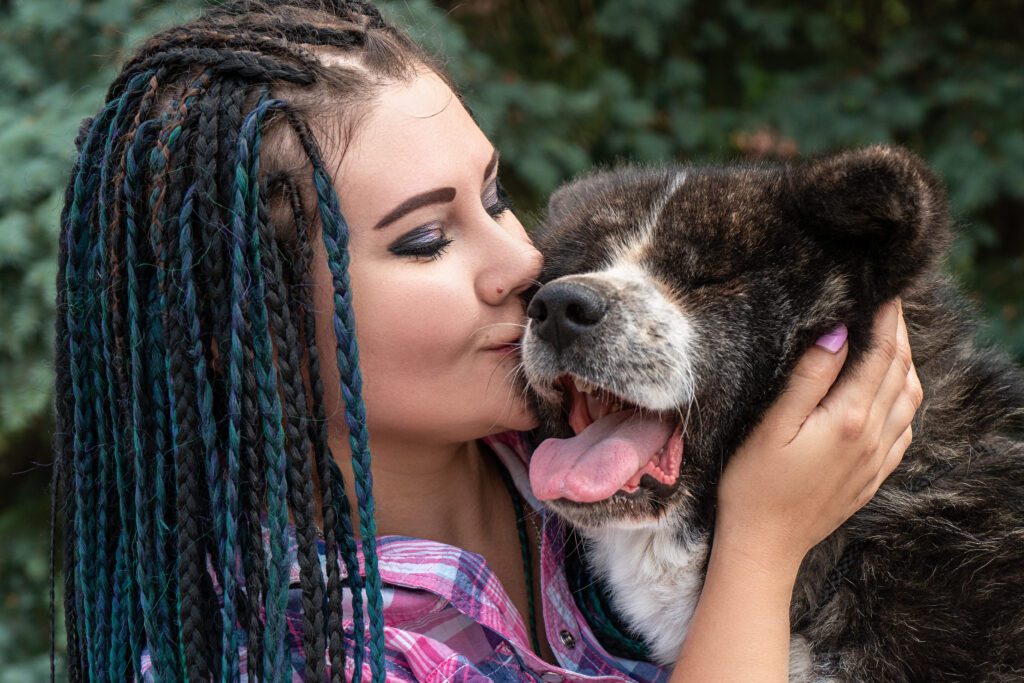
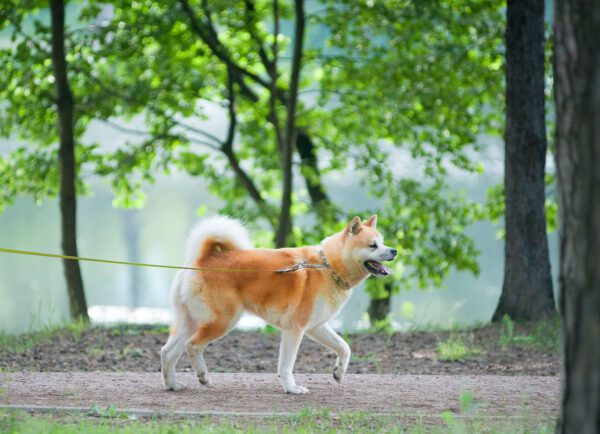
The Akita is a dignified, loyal, and protective companion. This large, powerful breed forms deep bonds with family and stays calm and quiet in the home. An Akita thrives with structure, thoughtful socialization, and daily mental work. The thick double coat and confident nature make the breed a strong fit for many active households that value routine and clear boundaries.
Research is essential before you adopt. An Akita typically weighs 70 to 130 pounds, needs consistent training, and may prefer limited dog-to-dog interactions. Adoption is often the better path because you help a dog in need, you support humane work in your community, and you usually receive a dog that already has core veterinary care and some behavioral history that helps you plan.
Massachusetts can suit an Akita well. Cold winters match the breed’s dense coat, while hot and humid summers require shade, fresh water, and shorter midday outings. Urban living can work with daily walks, enrichment, and elevator or lobby manners. Suburban homes with secure fencing offer safe space for training and play. Coastal weather, road salt, and icy sidewalks call for paw care and traction awareness during winter walks.
You can avoid searching rescues and shelters one by one by using Dog Academy. Browse up-to-date adoption listings in one place, compare dogs by age and temperament, and follow clear checklists that prepare your home and family. Dog Academy also offers educational guides that explain each step from first inquiry to gotcha day.
Start by exploring local animal shelters, regional rescues, and breed-specific rescue groups. Read each dog’s profile to learn about energy level, social preferences, medical needs, and any training progress. Make a shortlist that matches your household, your schedule, and your experience handling large independent breeds.
Complete the application with thorough and accurate details. Most organizations request personal references, proof of housing permission if you rent, and a veterinarian contact if you have current or past pets. Many groups schedule a phone interview to discuss your routine, training approach, and plans for exercise and safety. Meet-and-greets allow you to observe the dog’s response to you and, when appropriate, to resident pets under controlled conditions.
Expect a home check that may be virtual or in person. The goal is to confirm safe fencing, secure storage for cleaning products, and a setup for crate training or confinement when unsupervised. Timelines vary by organization and by dog. Straightforward matches can finalize within 3 to 14 days, while complex placements may take 2 to 4 weeks. When a dog is located outside your area, rescues may arrange transport between locations using volunteer drivers or licensed carriers, and adopters usually cover a transport fee and meet at a designated pickup point.

|
How Much Does It Cost to Adopt a Akita in Massachusetts?Most adopters pay $325 to $550 to adopt an Akita in Massachusetts. Puppies and young adolescents can be slightly higher, often landing between $450 and $650, because demand is stronger and care costs are greater. Fees reflect age, training, medical history, and how rare Akitas are in local shelters and rescues. Adoption fees usually include spaying or neutering, vaccinations, microchipping, and veterinary exams. Costs can rise when a dog needs heartworm testing, deworming, dental care, or orthopedic evaluations. Training progress, such as leash manners or crate skills, can also influence pricing because it reduces the adopter’s immediate workload. Transport, when used to move a dog into Massachusetts, can add a separate fee. |
How Should I Train a Akita?The Akita is intelligent and learns quickly, yet the breed is independent and can question unclear direction. Use positive reinforcement, clear rules, and short focused sessions. Teach foundation skills like name recognition, hand target, sit, down, stay, and place. Build impulse control with structured doorways, calm greetings, and loose-leash walking. Practice recall with a long line in safe areas because many Akitas have a strong prey drive and should not be off leash in unsecured spaces. Early and ongoing socialization matters. Pair neutral exposures with rewards and space so the dog feels safe, not pressured. Manage introductions to unfamiliar dogs with care because some Akitas prefer minimal dog-to-dog contact, and same-sex tension can occur. Prioritize muzzle training, cooperative grooming, and handling routines to make vet visits and nail care stress free. For step-by-step coaching, enroll in Dog Academy’s online training courses, which cover manners, reactivity, impulse control, and advanced skills tailored for strong, thoughtful breeds. |
|
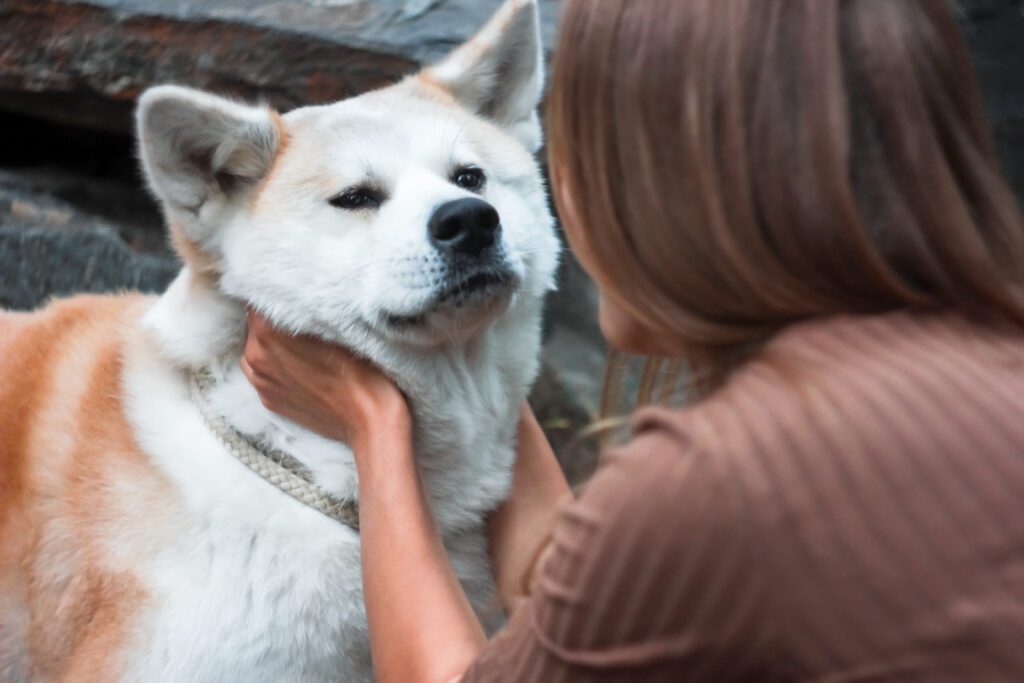
An ideal Akita adopter is calm, consistent, and ready to guide a large guardian breed with patience and fairness. A secure fenced yard, a predictable routine, and time for daily mental work help this dog thrive. Families with older children who respect boundaries often do best, and multi-dog households should plan careful introductions and management.
Prepare your home, gather supplies, and set clear training goals before you bring your dog home. Take your time, ask detailed questions, and choose the individual whose temperament and needs match your lifestyle. When you are ready to adopt, start with Dog Academy’s adoption listings and training resources so you can welcome a confident, well-supported Akita into your Massachusetts life.

Introducing a new puppy to your current dog is often an exciting process, and many dogs will become fast friends and eas...
Read More
Rescue dogs can make great companions and can transform your home into something better. These dogs make great pets and ...
Read More
You should never rush to pet a dog. Even dog owners make the mistake of approaching unfamiliar dogs and petting them rig...
Read More
Puppy mill dogs are survivors who have endured extreme hardships in their lives. They have grown up in horrendous, unsan...
Read More
With their wagging tails and comforting presence, adopting a dog can add a unique touch to your life. It’s a heart...
Read More
Older dogs may have a few gray hairs around the edges, but that doesn’t mean they can’t make wonderful companions! T...
Read More