




























































































































































































Introducing a new puppy to your current dog is often an exciting process, and many dogs will become fast friends and eas...
Read MoreAdopt Me

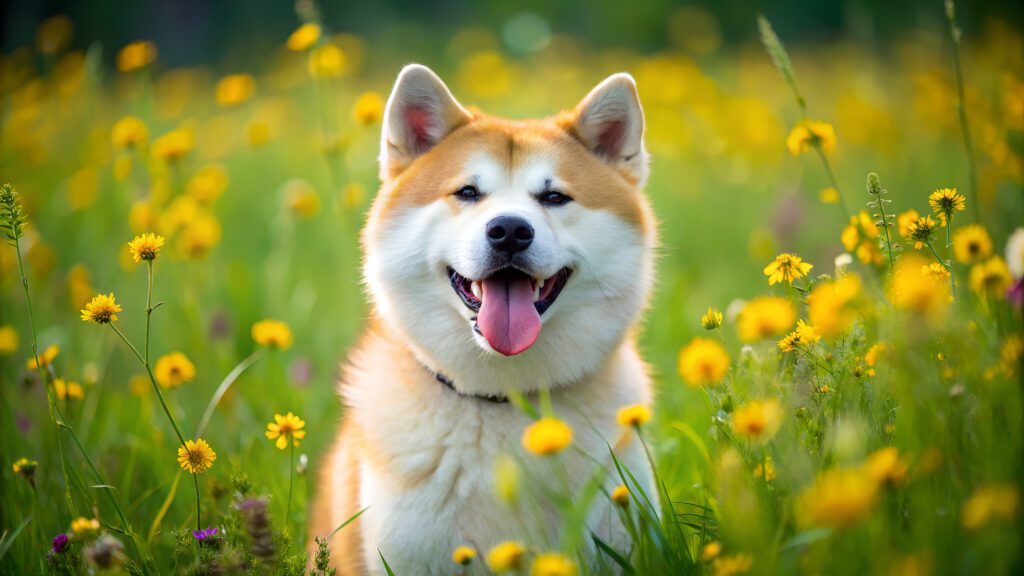

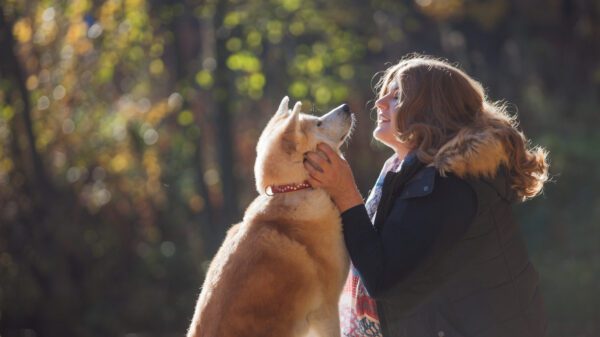
An Akita is a loyal, confident, and deeply devoted companion that bonds closely with family. This breed carries a calm presence at home and a strong protective instinct around new people. A thick double coat, sturdy build, and thoughtful nature make the Akita a striking partner for experienced dog owners who value steady routines and mutual respect.
Research matters before you adopt a Akita in Washington because this breed combines strength, independence, and sensitivity. An Akita thrives with clear structure, early socialization, and consistent training. Adoption is a smart path because you give a deserving dog a new start while often receiving helpful history on behavior and medical care. You also support the local sheltering community, which keeps more dogs safe and supported.
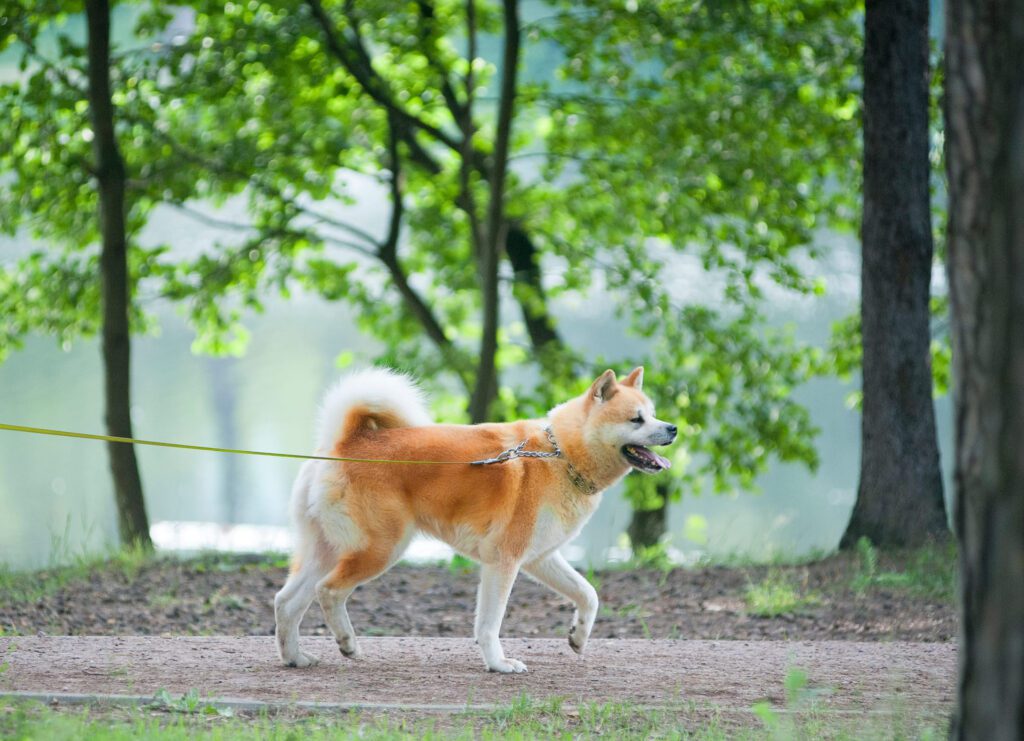
Washington’s coastal rain, mountain snow, and warm inland summers create varied conditions for an Akita. The dense coat sheds water and insulates in cold weather, yet summer heat in parts of eastern Washington requires shade, cool rest, and careful activity timing. City living can work if you commit to daily exercise and mental enrichment, while suburban or rural homes with secure fencing usually suit the breed’s size and stride. Strong prey drive is common, so leashed hikes on forested trails and respectful wildlife awareness are essential.
You can avoid searching rescues and shelters separately by using Dog Academy to browse up-to-date Akita adoption listings in one place. Dog Academy also provides clear educational guides and practical adoption checklists that help you prepare your home, ask the right questions, and choose a dog that fits your lifestyle. You can also find Akitas through local animal shelters, regional rescues, breed-specific rescue groups, and foster networks that serve communities across Washington.
The process usually starts by browsing listings, reading each dog’s biography, and confirming details such as age, size, temperament, and medical notes. You then submit an application that often includes a questionnaire, landlord approval when you rent, and personal or veterinary references. A meet-and-greet follows at a shelter, a foster home, or a neutral public space to assess fit. Many organizations complete a home check in person or by video to confirm secure fencing and safe spaces. Approval timelines vary but commonly take 1 to 3 weeks depending on responsiveness and scheduling.
Some rescues arrange transport to move dogs between locations when the best match lives farther away. Transport is often organized through volunteer relays or licensed carriers, and the adopter may pay a separate fee to cover fuel and logistics. The group typically coordinates a pickup point and provides travel updates. After arrival, expect a 2 to 3 week decompression period where the dog settles into a new routine. Structure, patience, a crate as a safe den, and predictable feeding and walking times help an Akita transition smoothly.
|
How Much Does It Cost to Adopt a Akita in Washington?In Washington, most adult Akitas cost about $250 to $500 to adopt through shelters or breed-focused rescues. Puppies often range from $400 to $700 due to higher demand and extra veterinary care, while seniors commonly range from $100 to $300. Fees vary with age, training level, prior medical care, and regional demand within the state. Adoption fees often include spaying or neutering, vaccinations, microchipping, and veterinary exams. Costs can rise when a dog receives advanced care such as dental treatment, orthopedic screening, or allergy management, or when a rescue invests in professional training to support a successful placement. Transport, licensing, and post-adoption supplies are separate expenses that you plan for in your budget. |
How Should I Train a Akita?An Akita is intelligent and capable, yet the breed is independent and often tests boundaries. Training works best when you use positive reinforcement, high-value rewards, and short, focused sessions. Aim to build trust, not confrontation. Avoid harsh corrections that create conflict with a proud and sensitive dog. Clear communication and consistent routines help an Akita learn quickly and reliably. Start early with socialization that pairs calm exposure to people, controlled dog introductions, and real-world sounds and surfaces. Prioritize foundation skills such as loose-leash walking, recall, sit, down, stay, leave it, and place. Teach impulse control through structured doorways, polite greetings, and settle on a mat. Many Akitas are selective with other dogs, so you manage greetings, maintain space, and keep sessions brief and positive. Consider muzzle training for stress-free veterinary visits and nail care. For step-by-step guidance, explore Dog Academy’s online training courses that cover obedience, leash skills, reactivity reduction, and confidence building. |
|
The ideal Akita owner stays calm, consistent, and fair, and provides daily exercise, mental enrichment, and steady leadership. A secure fenced yard helps, and a household that values routine and patient training sets this breed up for success. Families with young children or multiple pets can succeed when they supervise carefully, manage introductions, and respect the Akita’s boundaries.
Preparation leads to a smooth transition. Gather quality food, a well-fitted harness, a sturdy leash, a crate, and grooming tools for heavy seasonal shedding. Plan for licensing, regular veterinary care, and ongoing training. Take your time, ask detailed questions, and choose a dog whose energy and temperament match your home. When you adopt a Akita in Washington with thoughtful research and steady support, you welcome a devoted partner who will stand proudly by your side for years to come.

Introducing a new puppy to your current dog is often an exciting process, and many dogs will become fast friends and eas...
Read More
Rescue dogs can make great companions and can transform your home into something better. These dogs make great pets and ...
Read More
You should never rush to pet a dog. Even dog owners make the mistake of approaching unfamiliar dogs and petting them rig...
Read More
Puppy mill dogs are survivors who have endured extreme hardships in their lives. They have grown up in horrendous, unsan...
Read More
With their wagging tails and comforting presence, adopting a dog can add a unique touch to your life. It’s a heart...
Read More
Older dogs may have a few gray hairs around the edges, but that doesn’t mean they can’t make wonderful companions! T...
Read More