



























































































































































































Introducing a new puppy to your current dog is often an exciting process, and many dogs will become fast friends and eas...
Read MoreAdopt Me

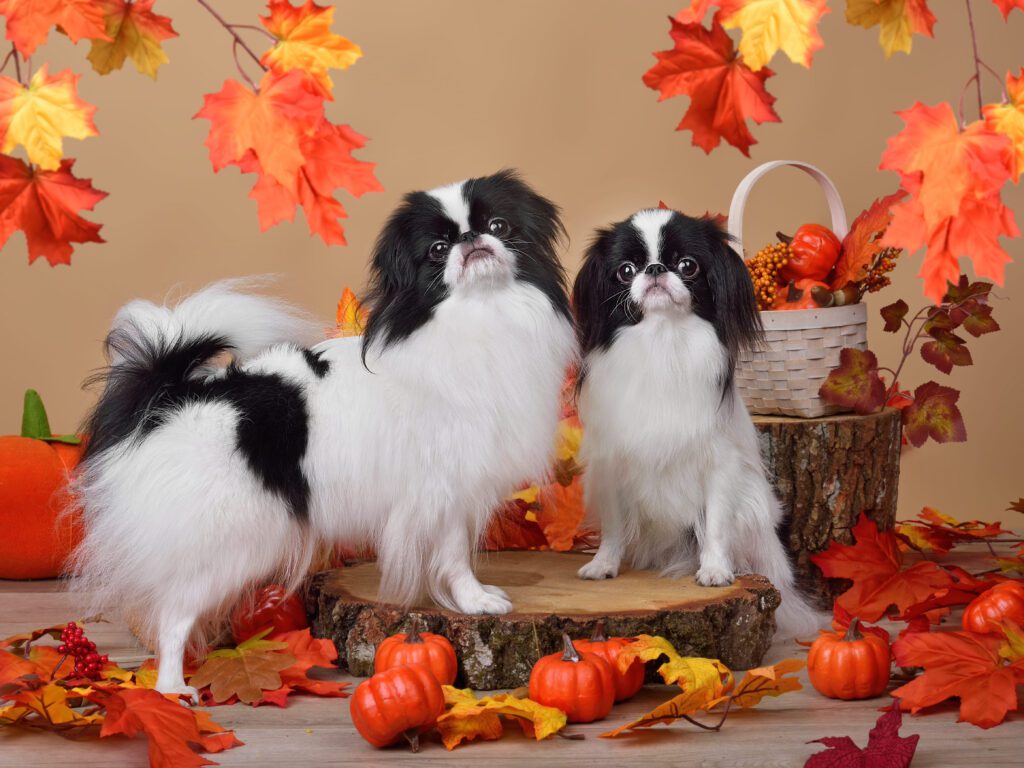
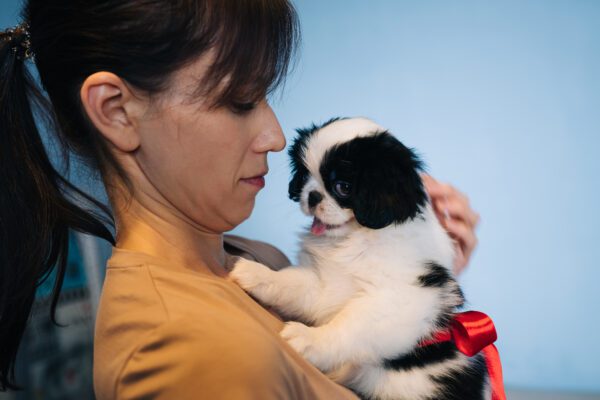
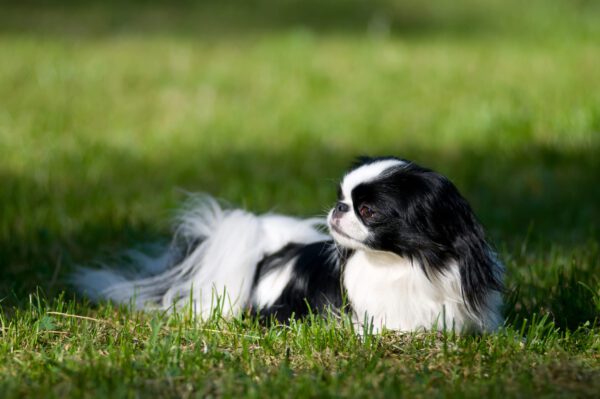
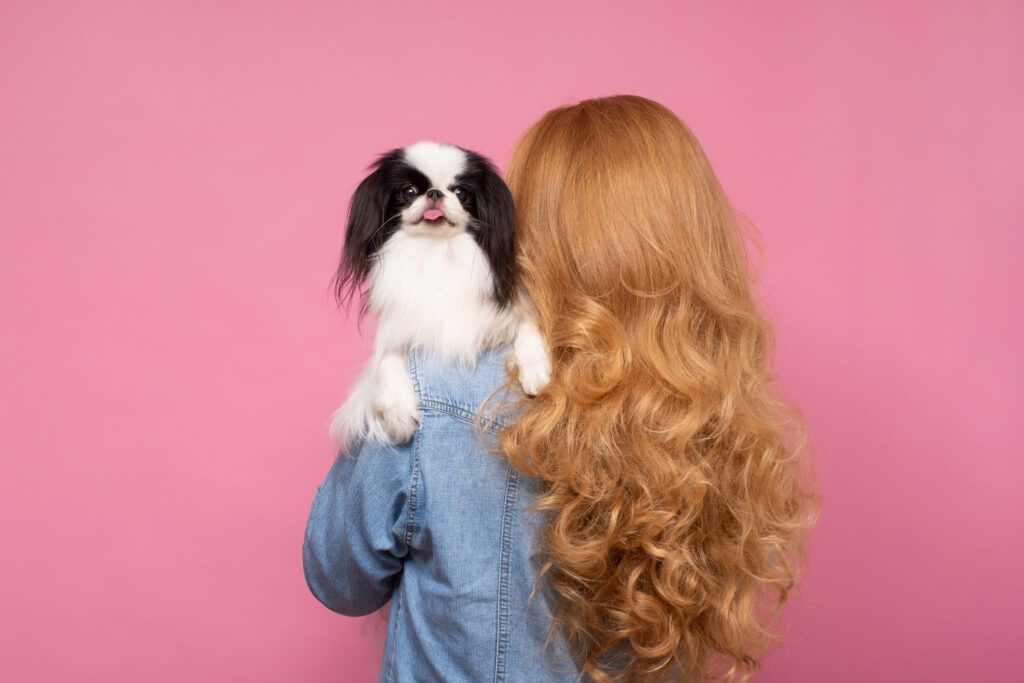
The Japanese Chin is a gentle, affectionate companion that loves close contact and calm routines. This toy breed is known for a silky coat, expressive eyes, and a light, catlike grace. The breed is sensitive and people focused, which makes daily life easy for many households that value quiet time and short, cheerful play sessions.
Research matters before adoption because a good match depends on energy level, grooming needs, and common health considerations. The Japanese Chin thrives with indoor living, careful face and eye care, regular brushing, and consistent house training. Adoption gives a dog a second chance and also supports organizations that invest in veterinary care and behavioral work, which helps you start with a healthier and more understood companion.
Washington offers many homes that suit this small companion, but the state’s climate creates a few challenges. Western Washington brings cool, wet winters and mild summers, which can make outdoor potty trips tricky for a small dog. Eastern Washington can have hot summers and colder winters, which can stress a short-muzzled breed. The Japanese Chin does best with brief walks during cooler hours, plenty of indoor exercise, and a secure yard or patio. This breed enjoys urban condos and suburban homes where stairs are manageable and outdoor time stays supervised.
You can avoid searching shelters and rescues one by one by using adoption listings on Dog Academy. The listings gather available dogs across Washington and make it easy to filter by breed, size, age, and location. Dog Academy also provides educational guides and adoption checklists that help you prepare your home, understand the process, and plan your first month with a new dog.
In Washington, adoptable Japanese Chin dogs appear through local animal shelters, regional rescues, breed-specific rescue groups, and foster-based networks. Start by browsing listings, reading each biography carefully, and noting health history, temperament, and any training progress. When a profile looks promising, submit a question to the contact listed or follow the directions to begin an application.
Applications usually request references, proof of identification, and landlord approval when you rent. Some groups ask for a veterinary reference to confirm your history with preventive care. A complete application speeds review and helps coordinators match your household with a dog that fits your lifestyle and schedule.
Adoption steps often include a phone interview, a meet-and-greet, and a home check. Meet-and-greets help you observe energy level, body language, and comfort with family members, including respectful children and resident pets. Home checks may be virtual or in person and confirm safe fencing, secure doors, and a plan for indoor rest and potty breaks. Approval timelines vary, but many Washington adopters move from application to decision within 1 to 3 weeks, depending on scheduling, foster availability, and the dog’s medical needs.
Transport is sometimes arranged by rescues to move dogs between locations when a better match is found in another area. Transport may be handled by volunteer drivers or licensed carriers, and coordinators schedule handoffs and provide health certificates when required. Adopters are often asked to meet at a central location or to cover a modest transport fee, which helps offset fuel and logistics costs.
|
How Much Does It Cost to Adopt a Japanese Chin in Washington?In Washington, adopting a Japanese Chin typically costs $300 to $550. Fees are higher for puppies and for dogs that receive extensive medical care before placement. Fees usually include spaying or neutering, vaccinations, microchipping, and veterinary exams. Some groups also provide dental cleanings, heartworm testing, and parasite treatment, which can raise the total. Age, training, medical care, and demand influence pricing. Young, well-socialized dogs with recent training often cost more because they are in high demand. Senior dogs may cost less, but recent dental work or treatment for eye conditions can increase fees. The final fee reflects veterinary expenses in Washington and helps support future dogs in need. |
How Should I Train a Japanese Chin?The Japanese Chin is bright, sensitive, and eager to bond, which makes positive reinforcement very effective. Short sessions keep focus high, and gentle rewards with soft treats and praise build confidence. House training can be slow in wet weather, so provide frequent breaks, use covered potty areas, and reward every success. A consistent routine with regular feeding times and predictable outings improves success. Socialization matters for a small companion that may feel overwhelmed in busy spaces. Introduce new people, calm dogs, and quiet environments in gradual steps. Use a harness rather than a collar for walks to protect the neck and airway. Teach a reliable recall, a relaxed settle on a mat, and polite greetings to limit jumping and anxious pacing. If barking starts from excitement or uncertainty, redirect with a cue, reward quiet moments, and provide restful breaks. For step-by-step guidance tailored to small breeds, explore Dog Academy’s online training courses. The lessons cover house training, basic manners, leash skills, and enrichment that suits an indoor lifestyle, which helps a Japanese Chin stay calm, engaged, and happy. |
|
The ideal adopter is patient, home often, and ready to offer gentle structure. A Japanese Chin fits households that prefer short walks, soft play, and cozy evenings. Preparation matters, which includes safe indoor spaces, a grooming routine, and a plan for veterinary care and dental health.
Take your time, ask clear questions, and meet more than one dog if needed. When you are ready, browse Washington listings through Dog Academy, review the adoption checklist, and welcome a well-matched Japanese Chin into a safe and loving home.

Introducing a new puppy to your current dog is often an exciting process, and many dogs will become fast friends and eas...
Read More
Rescue dogs can make great companions and can transform your home into something better. These dogs make great pets and ...
Read More
You should never rush to pet a dog. Even dog owners make the mistake of approaching unfamiliar dogs and petting them rig...
Read More
Puppy mill dogs are survivors who have endured extreme hardships in their lives. They have grown up in horrendous, unsan...
Read More
With their wagging tails and comforting presence, adopting a dog can add a unique touch to your life. It’s a heart...
Read More
Older dogs may have a few gray hairs around the edges, but that doesn’t mean they can’t make wonderful companions! T...
Read More