







































































































































Introducing a new puppy to your current dog is often an exciting process, and many dogs will become fast friends and eas...
Read MoreAdopt Me

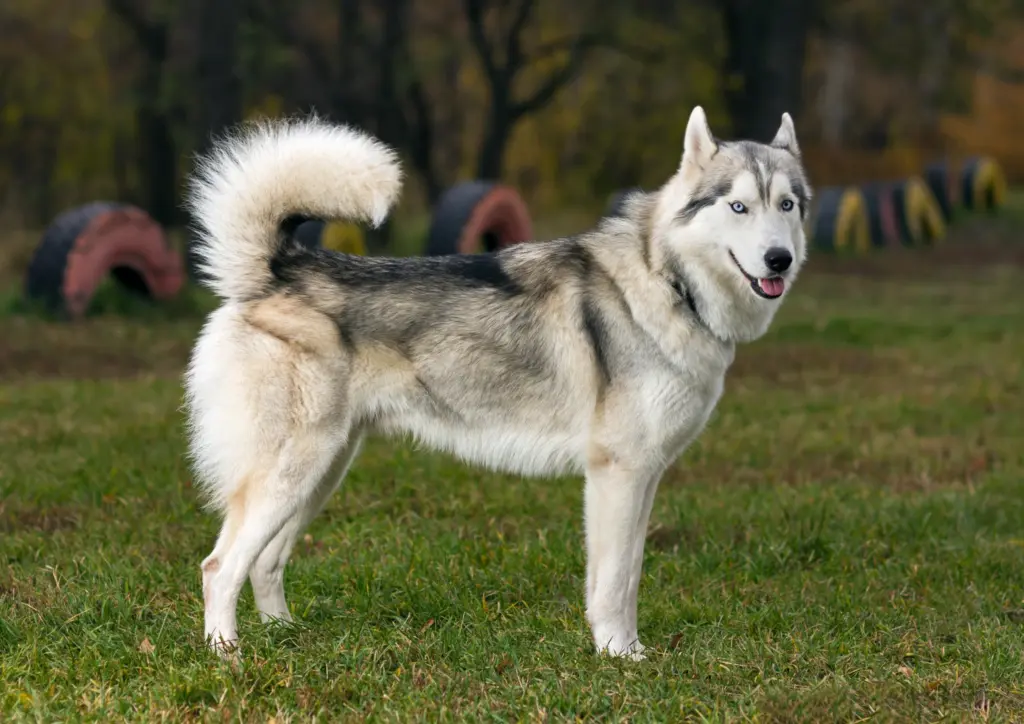
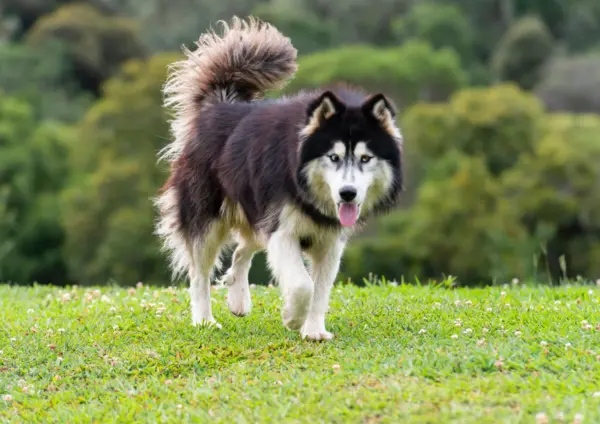
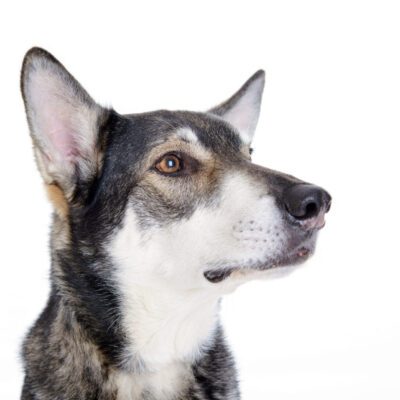
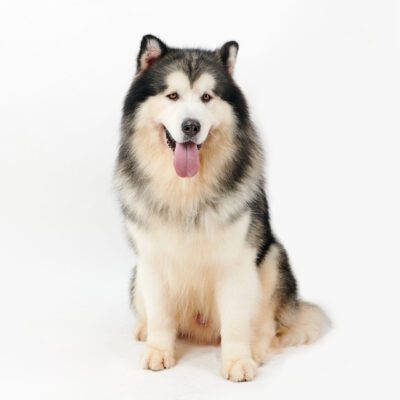
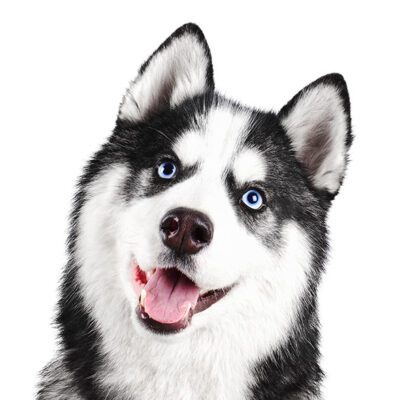
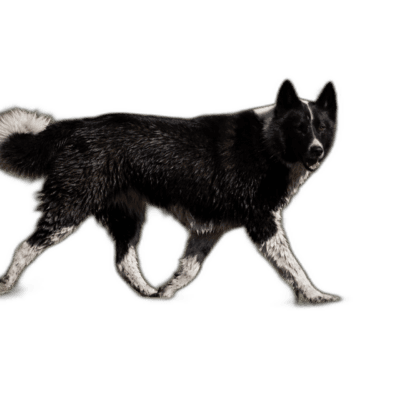
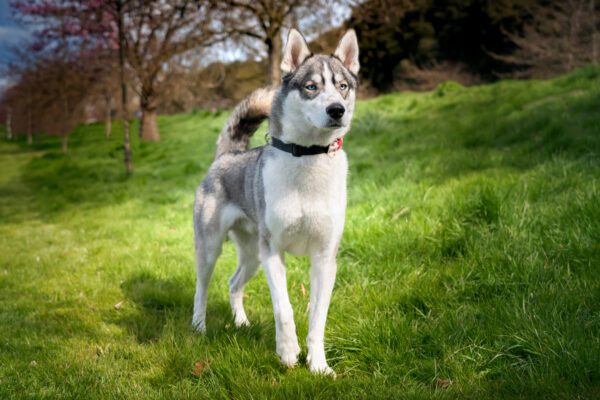
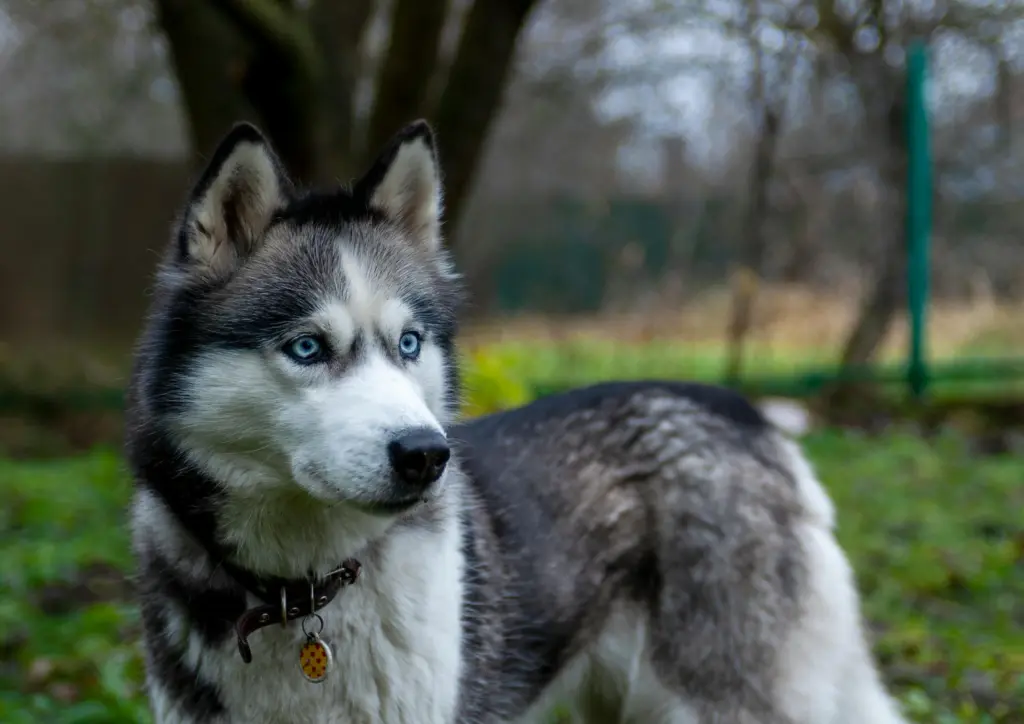
The Siberian Husky is athletic, social, and bright, with a playful spirit and a love of adventure. This breed bonds closely with people, thrives on routine, and enjoys working with a team. Huskies carry a thick double coat, shed heavily, and tend to be vocal. Many also have a strong prey drive and a reputation for testing fences, so planning and management matter.
Thoughtful research before adoption protects both you and the dog. Adoption allows you to match a specific Husky’s energy, temperament, and medical history to your lifestyle, and it gives a deserving dog a second chance. Adopting also supports local animal welfare efforts and helps reduce overcrowding in shelters.
Washington offers a good fit for many Huskies because of its cooler coastal climate and mountain terrain. Western Washington stays mild and damp, which helps a double-coated dog stay comfortable during exercise. Eastern Washington can have hot summers, so Huskies need shade, water, and rest during warm periods. City life can work well when exercise is structured and fencing is secure, while rural and suburban areas offer trails and space for purposeful activity.
You can avoid searching rescues and shelters separately by using Dog Academy to browse adoption listings in one place. The listings let you filter by location, age, and size so you can quickly find Huskies or Husky mixes that meet your needs. Dog Academy also offers educational guides and adoption checklists that help you prepare your home, budget, and schedule.
Adoptable Huskies in Washington are commonly found through local animal shelters, regional rescues, breed-specific rescue groups, and foster-based networks. Many Huskies enter care because their exercise and training needs were not met, which makes honest self-assessment essential. Reading each dog’s profile closely helps you understand energy level, compatibility with other pets, and any training or medical notes.
The process usually starts with browsing listings and submitting an application. Applications typically ask about housing, fencing, daily schedule, experience with high-energy breeds, and veterinary history. After review, most groups arrange a call to discuss fit, then schedule a meet-and-greet. Some programs conduct home checks to confirm safety, including secure gates and latchable doors. Timelines vary by group, but many adopters move from application to approval within 3 to 14 days when communication is prompt and references are available.
Meet-and-greets allow your household and resident pets to interact with the dog in a neutral space. Many organizations offer a foster-to-adopt period, which is a short trial placement that confirms the match before finalizing. When a suitable match is not available nearby, rescues sometimes arrange transport to move dogs between locations. Transport is often arranged by rescues to move dogs between states or within Washington using volunteer drivers or pet-safe carriers, and the group coordinates health checks and scheduling to protect the dog’s welfare.
|
How Much Does It Cost to Adopt a Siberian Husky in Washington?Most adopters in Washington pay $200 to $450 to adopt an adult Siberian Husky through shelters or rescue groups. Puppies often range from $350 to $650 because demand is higher and preventive care is more extensive. Fees usually include spaying or neutering, vaccinations, microchipping, and veterinary exams. Costs vary with age, training, medical care, and demand. Younger dogs and well-trained adults often carry higher fees, while seniors and dogs with special needs may be lower. Recent medical treatments, such as dental cleanings or orthopedic care, can increase the fee. Adoption groups use these fees to recover veterinary costs and to support other dogs in their programs. |
How Should I Train a Siberian Husky?The Siberian Husky is intelligent and curious, yet independent. Many Huskies respond best to short, upbeat sessions that use high-value food, toys, and praise. Positive reinforcement builds trust and channels energy into useful skills. Consistency matters with this breed, and clear criteria help a Husky understand what earns rewards. Focus on foundation skills that improve daily life and safety. Teach loose-leash walking, a reliable recall using a long line, a settle on a mat for calm indoors, crate training for rest and travel, and polite greetings to reduce jumping. Provide mental enrichment through scent games, food puzzles, and structured problem-solving. Meet exercise needs with brisk walks, hiking, jogging on safe surfaces, or canicross-style running in cool conditions, then balance activity with recovery time. For step-by-step help tailored to high-energy breeds, explore Dog Academy’s online training courses. Lessons cover recall foundations, loose-leash skills, calm behavior in the home, and cooperative care for grooming and vet visits. Guidance from a structured program keeps training consistent and prevents common Husky issues like pulling, roaming, and door-dashing. |
|
The ideal adopter enjoys daily activity, values routine, and keeps a secure home environment. A good match includes time for 60 to 90 minutes of exercise most days, patience for shedding and grooming, and a commitment to ongoing training. Preparation ensures a smoother transition and sets clear expectations for both you and the dog.
Take your time, ask detailed questions, and review each dog’s profile with an honest eye. When you feel ready, start browsing adoption listings, create a plan for training and enrichment, and gather supplies before the first day at home. Careful planning helps you adopt a Siberian Husky in Washington with confidence and gives your new companion a safe, energetic, and happy life.
Introducing a new puppy to your current dog is often an exciting process, and many dogs will become fast friends and eas...
Read More
Rescue dogs can make great companions and can transform your home into something better. These dogs make great pets and ...
Read More
You should never rush to pet a dog. Even dog owners make the mistake of approaching unfamiliar dogs and petting them rig...
Read More
Puppy mill dogs are survivors who have endured extreme hardships in their lives. They have grown up in horrendous, unsan...
Read More
With their wagging tails and comforting presence, adopting a dog can add a unique touch to your life. It’s a heart...
Read More
Older dogs may have a few gray hairs around the edges, but that doesn’t mean they can’t make wonderful companions! T...
Read More