



























































































































































































Introducing a new puppy to your current dog is often an exciting process, and many dogs will become fast friends and eas...
Read MoreAdopt Me





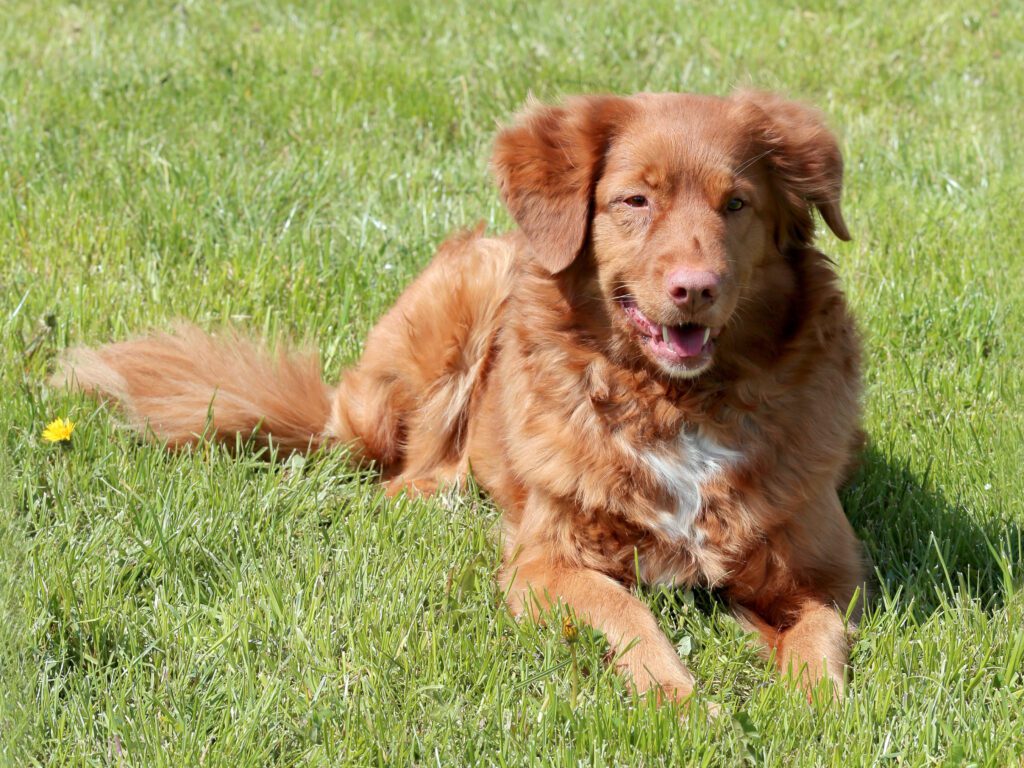
The Nova Scotia Duck Tolling Retriever is a bright, athletic, and affectionate companion that loves to work and play. This medium-sized retriever thrives on problem solving, retrieves with gusto, and bonds closely with an engaged family. A Toller is happiest when training, swimming, or hiking, and it settles best after both mental and physical exercise.
Research matters before you adopt a Nova Scotia Duck Tolling Retriever in Washington. Adoption gives a deserving dog a second chance, and it also connects you with support from caring volunteers. Many adopted Tollers come already vetted and temperament assessed, which helps you start strong. Washington offers a great home for this breed because the cool, damp climate suits a water-repellent double coat, and the state’s trails, lakes, and coastline give a Toller room to move. Owners should be ready for seasonal shedding, muddy adventures, and steady exercise even on rainy days.
Active Washington lifestyles pair well with this energetic retriever, whether you enjoy hiking in the Cascades, running in city parks, or paddling on calm water. Urban living can also work when you provide daily exercise, training time, and enrichment. A Toller can be talkative and sensitive, so consistent routines, positive guidance, and thoughtful socialization are important.
You can skip searching shelters and rescues one by one by starting with Dog Academy. Dog Academy’s adoption listings make it easy to browse available dogs, and the site also offers educational guides and adoption checklists so you feel prepared at every step.
In Washington, adoptable Tollers appear through local animal shelters, regional rescues, and breed-specific rescue groups. You can widen your search to nearby states when you feel flexible on age or energy level. When a rescue finds a good match outside your area, transport is often arranged by rescues to move dogs between states. Transport typically involves coordinated driving or professional carriers, health certificates from a veterinarian, and safe crating during travel.
The process usually begins by browsing listings and reading bios for energy level, training history, and compatibility with children or resident pets. Next, you complete an application that asks about your schedule, housing, yard or outdoor plan, and experience with high-energy breeds. Many groups request references, proof of landlord approval for renters, and your veterinarian’s contact information. Clear and detailed answers help matchmakers understand your home and reduce delays.
After application review, most groups schedule a meet-and-greet to see how you and the dog connect. Introductions with resident dogs are done carefully on neutral ground when possible. A virtual or in-person home check often follows to confirm safety, secure storage of household hazards, and an exercise plan. Straightforward adoptions can wrap up in 1 to 3 weeks, while puppies or special cases can take 3 to 6 weeks due to training plans, medical needs, or transport timing.

|
How Much Does It Cost to Adopt a Nova Scotia Duck Tolling Retriever in Washington?In Washington, most adopters pay about $350 to $650 for an adult Nova Scotia Duck Tolling Retriever and about $450 to $800 for a puppy. Fees trend higher in urban areas due to demand and veterinary costs. Pricing reflects age, prior training, and medical care, and it can rise for dogs that received recent procedures or behavior support. Adoption fees usually include spaying or neutering, vaccinations, microchipping, and veterinary exams. Some groups also provide deworming, heartworm testing, and a starter collar or leash. Modest add-ons can appear for transport, training sessions, or licensing, and groups will explain these costs before you commit. |
How Should I Train a Nova Scotia Duck Tolling Retriever?The Toller is intelligent, eager, and highly motivated by play or food, which makes training rewarding. Use short sessions, upbeat rewards, and clear markers to capture quick wins and keep focus high. Teach impulse control early with settle on a mat, leave it, and reliable recall, and channel mouthy retrieving instincts into structured fetch and tug with rules. Common challenges include alert barking, jumping when excited, and chasing wildlife or birds. You can prevent these issues by reinforcing quiet behavior, practicing calm greetings, and building a rock-solid recall around distractions. Daily mental work matters as much as exercise, so rotate scent games, trick training, and simple field-style drills to satisfy the breed’s problem-solving drive. For step-by-step guidance you can follow at home, explore Dog Academy’s online training courses. Courses cover foundation skills, loose-leash walking, recall, polite greetings, crate comfort, and enrichment plans that fit a busy Washington schedule. |
|
The ideal adopter enjoys an active lifestyle, consistent routines, and daily training time. A Toller needs 60 to 90 minutes of exercise along with mental enrichment, steady socialization, and kind structure. Families that love outdoor adventures and also value quiet downtime at home will find this breed a loyal, cheerful partner.
Prepare your home, gather supplies, and learn the breed’s needs before you apply. Take your time to meet a few dogs, ask thoughtful questions, and confirm that energy level and temperament fit your life. With patience and planning, you will adopt a Nova Scotia Duck Tolling Retriever in Washington who thrives by your side for years to come.

Introducing a new puppy to your current dog is often an exciting process, and many dogs will become fast friends and eas...
Read More
Rescue dogs can make great companions and can transform your home into something better. These dogs make great pets and ...
Read More
You should never rush to pet a dog. Even dog owners make the mistake of approaching unfamiliar dogs and petting them rig...
Read More
Puppy mill dogs are survivors who have endured extreme hardships in their lives. They have grown up in horrendous, unsan...
Read More
With their wagging tails and comforting presence, adopting a dog can add a unique touch to your life. It’s a heart...
Read More
Older dogs may have a few gray hairs around the edges, but that doesn’t mean they can’t make wonderful companions! T...
Read More