





















































































































































































Introducing a new puppy to your current dog is often an exciting process, and many dogs will become fast friends and eas...
Read More
How to Introduce a New Puppy to Your Dog
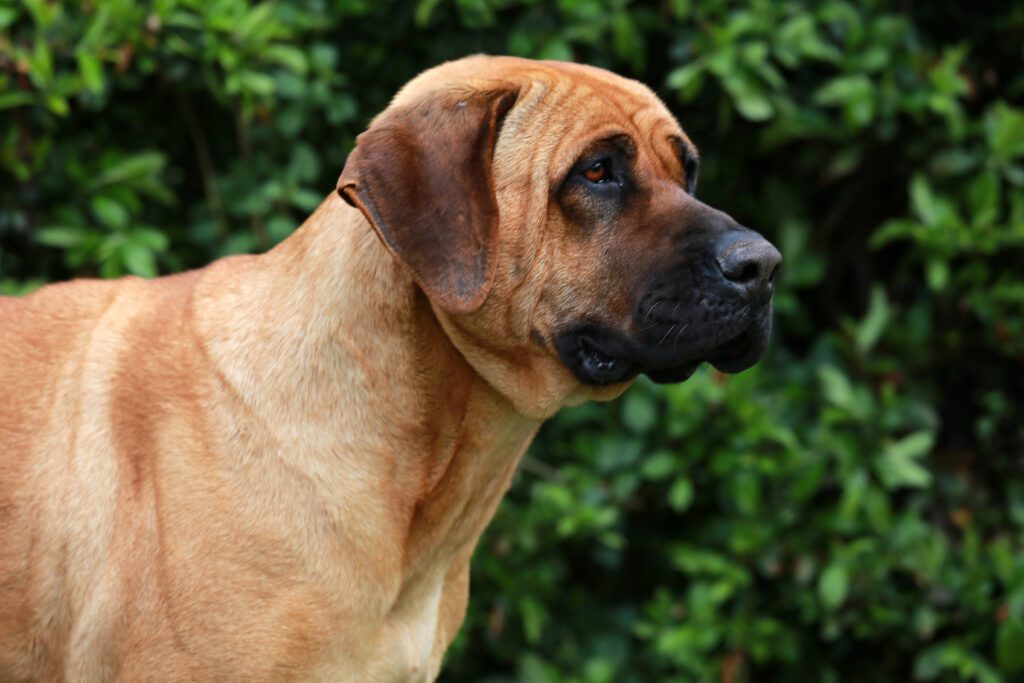

The Tosa Inu is a powerful, dignified companion that forms deep bonds with family and stays calm in the home when exercise and structure are consistent. This breed is thoughtful and observant, and it shows natural guardian instincts that require steady leadership and careful socialization. Anyone drawn to a quiet, loyal, and confident dog will find a Tosa Inu appealing when the home is ready for a large breed with serious strength.
Research is essential before adoption because the Tosa Inu matures slowly, thinks independently, and benefits from methodical training. Adoption gives a dog a second chance and provides support from knowledgeable volunteers who assess behavior and health. Choosing adoption helps a dog in need, and it often includes post-adoption guidance that makes the transition smoother than buying from an unknown source.
Washington offers a good match for many Tosa Inus because the state’s cool, damp climate on the coast keeps large dogs comfortable during daily activity. Eastern Washington brings hot, dry summers that require shade, fresh water, and limited midday exercise. The state’s forests, trails, and neighborhoods reward responsible leash handling and reliable recall, while urban areas can present housing and insurance rules for large guardian breeds. A secure yard, polite leash manners, and respectful introductions to new people and dogs help a Tosa Inu thrive in Washington’s varied geography and lifestyles.
You can avoid searching local animal shelters and breed-specific rescue groups one by one by using Dog Academy to browse current adoption listings in one place. Dog Academy also provides educational guides and adoption checklists that explain required documents, home preparation, and first-week routines. You can still expand your search through regional rescues and foster networks, but a centralized listing helps you compare options quickly and confidently.
Start by browsing listings to review age, size, activity level, and temperament notes. Submit an application that includes personal references, proof of housing, and landlord approval when applicable. Most organizations schedule a phone interview to discuss experience with large breeds, management plans for meet-and-greets, and expectations for ongoing training. A meet-and-greet follows, which allows you to observe the dog’s response to your household, and it often includes a slow introduction to resident dogs with controlled distance and parallel walking.
Many groups complete a home check that verifies secure fencing, safe storage for food and medications, and appropriate areas for decompression. A home check can be virtual or in person depending on the organization’s policies. Approval timelines vary with each group, but many adoptions move from application to pickup within 1 to 3 weeks when documents are complete and scheduling aligns. Some organizations offer a foster-to-adopt period that gives both the adopter and the dog time to confirm a good fit before finalizing.
Tosa Inus are uncommon, which means the right dog may be outside your immediate area. Rescues sometimes arrange transport between locations by using volunteer drivers or professional carriers, and they coordinate health certificates and schedules so travel stays safe and legal. Adopters may be asked to contribute a modest transport fee, and pickup often happens at a central meeting point with clear instructions for the handoff.
|
How Much Does It Cost to Adopt a Tosa Inu in Washington?In Washington, the typical adoption fee for a Tosa Inu or a Tosa Inu mix ranges from $250 to $550. Fees sit on the lower end with municipal shelters and older dogs, and they sit on the higher end with breed-focused rescues that provide extensive medical care and behavioral support for large guardian breeds. Rarity can influence price, but rescue groups work to keep fees fair and focused on care. Fees usually include spaying or neutering, vaccinations, microchipping, and veterinary exams. Costs also reflect age, current training, medical treatments such as dental cleanings, and regional demand. Plan for additional expenses such as a license in your county, a secure crate sized for a large dog, a sturdy harness and leash, quality food for a big-bodied breed, and professional training support when needed. |
How Should I Train a Tosa Inu?The Tosa Inu is intelligent and steady, and it learns best when sessions are short, clear, and consistent. This breed can be independent and reserved, which means pressure or harsh corrections can shut down learning and damage trust. Positive reinforcement with food rewards, praise, and play builds confidence and reliability, and it keeps training enjoyable for both handler and dog. Focus early on leash skills, impulse control, calm greetings, and reliable recall. Add structured socialization that teaches the dog to observe other dogs quietly and to disengage on cue, because many Tosa Inus are selective with unfamiliar dogs. Muzzle conditioning, cooperative care, and place training help with real-world management, grooming, and vet visits. If you want step-by-step guidance, explore Dog Academy’s online training courses, which cover foundations, loose-leash walking, reactivity reduction, and advanced manners tailored to big, thoughtful breeds. |
|
The ideal adopter for a Tosa Inu is calm, consistent, and experienced with large dogs, and has time each day for exercise, enrichment, and training. A secure yard, stable routines, and respectful handling help this breed relax and bond deeply with the family.
Preparation sets you up for success, from gathering supplies to planning a slow introduction schedule and confirming local rules for large breeds. Take your time, ask detailed questions, and meet more than one dog if needed. When you are ready to adopt a Tosa Inu in Washington, use Dog Academy’s adoption tools to find a thoughtful match and create a safe, steady start that lasts for life.
Introducing a new puppy to your current dog is often an exciting process, and many dogs will become fast friends and eas...
Read More
Rescue dogs can make great companions and can transform your home into something better. These dogs make great pets and ...
Read More
You should never rush to pet a dog. Even dog owners make the mistake of approaching unfamiliar dogs and petting them rig...
Read More
Puppy mill dogs are survivors who have endured extreme hardships in their lives. They have grown up in horrendous, unsan...
Read More
With their wagging tails and comforting presence, adopting a dog can add a unique touch to your life. It’s a heart...
Read More
Older dogs may have a few gray hairs around the edges, but that doesn’t mean they can’t make wonderful companions! T...
Read More