











Introducing a new puppy to your current dog is often an exciting process, and many dogs will become fast friends and eas...
Read MoreAdopt Me

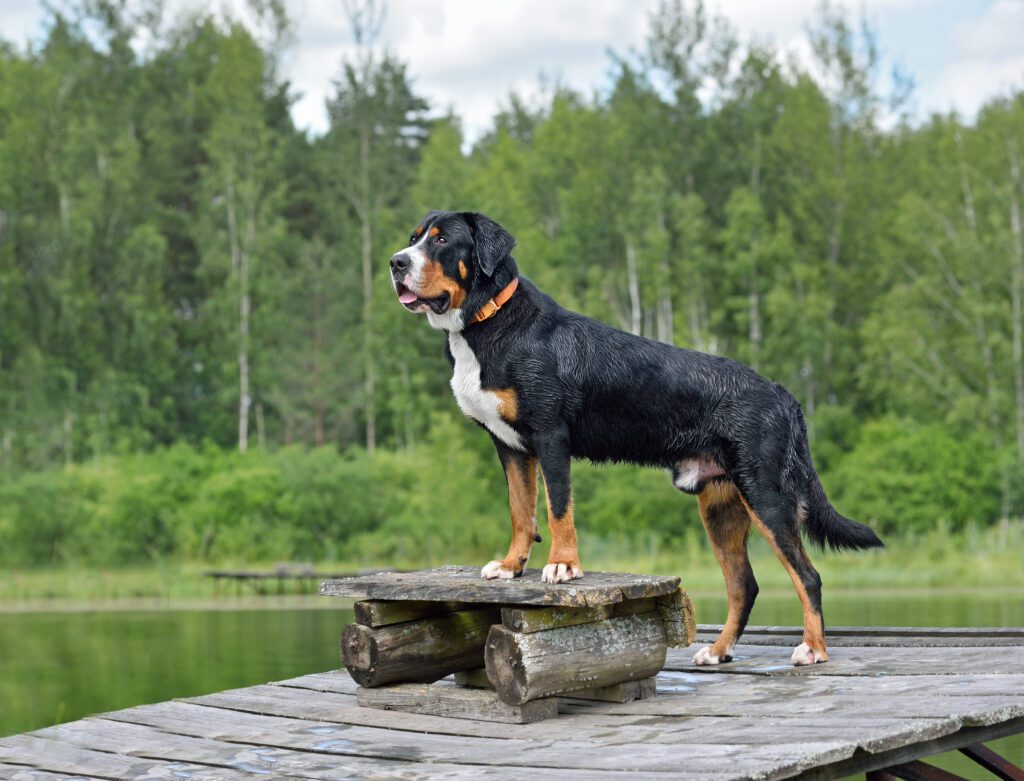


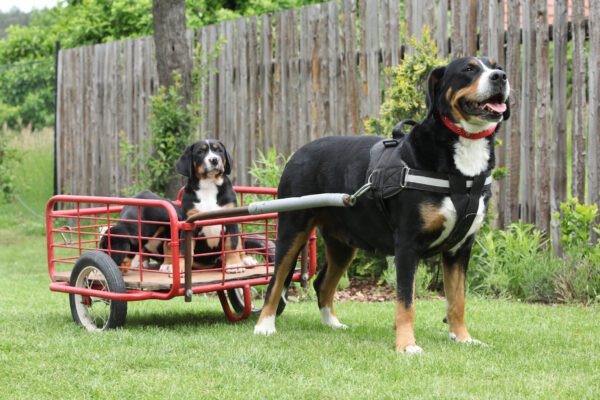
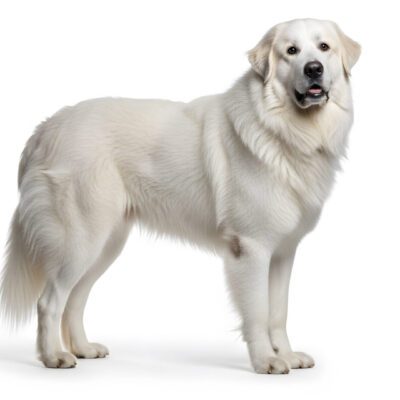
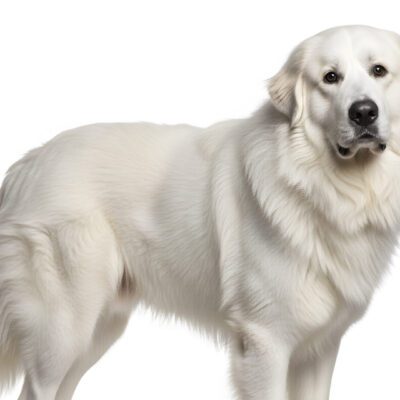
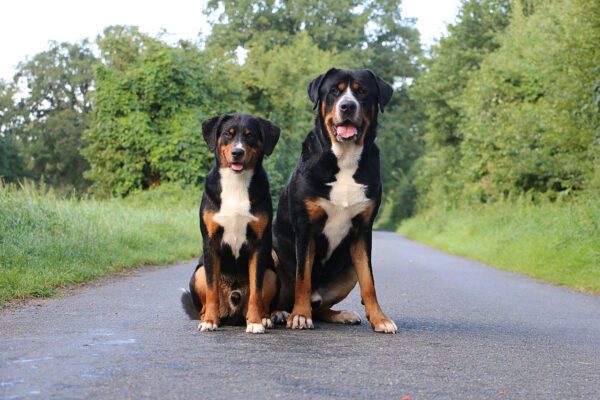
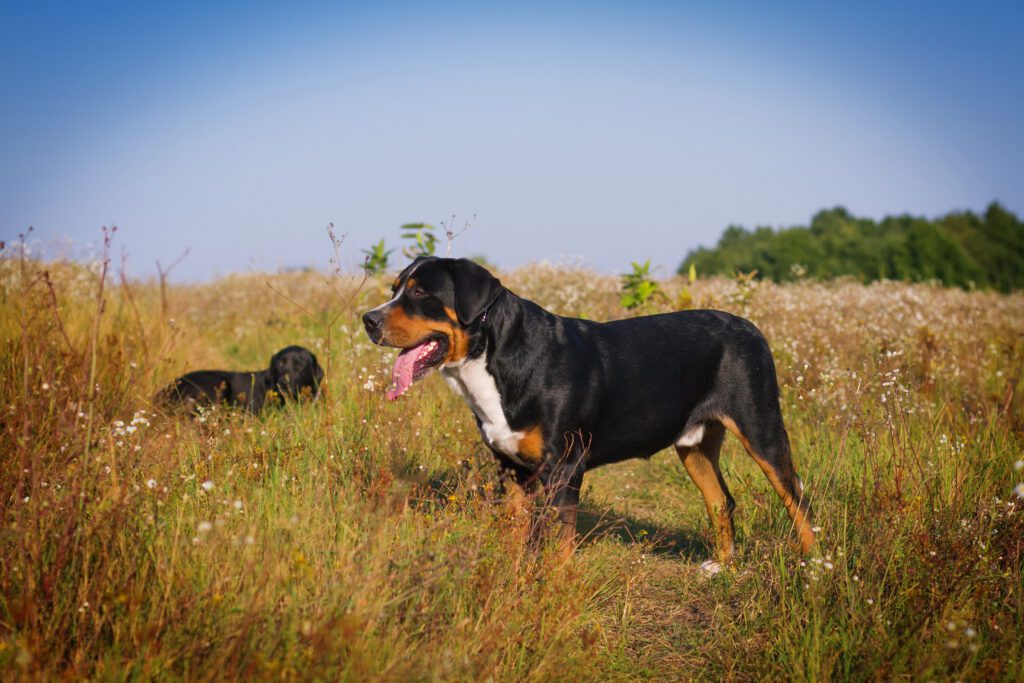
The Greater Swiss Mountain Dog is a confident, gentle, and devoted working breed. This dog bonds closely with family and enjoys being part of daily life. Many people choose this breed for its steady temperament, impressive strength, and friendly nature with children when properly socialized. Thoughtful research ensures a good match before you adopt a Greater Swiss Mountain Dog in Washington.
Adoption is a compassionate way to welcome a Swissy while giving a deserving dog a new start. It often includes veterinary care and support from knowledgeable volunteers. Adoption also helps reduce demand for irresponsible breeding. Careful preparation matters because this is a large, powerful breed that needs structure, training, and time with people.
Washington can suit the Swissy well because the climate is often cool and damp in coastal areas and cold in the mountains. These dogs have a dense double coat that handles cold and snow with ease. Summers in parts of Eastern Washington can be hot, which calls for shade, water, and exercise during cooler hours. The state’s forests, foothills, and local trails invite regular outings. The breed does best with space, but committed urban adopters can succeed with daily walks and clear routines.
You can avoid searching shelters and rescues one by one by starting with Dog Academy. You can browse adoptable Greater Swiss Mountain Dogs in Washington and nearby regions in a single place. Dog Academy also offers clear educational guides and practical adoption checklists that help you prepare your home and routine.
Prospective adopters can also check local animal shelters, regional rescues, and breed-specific rescue groups. Availability changes often because Swissies are less common than many breeds. Some dogs live in foster homes while others stay in shelter facilities. Listings usually include age, size, temperament notes, and any known medical needs. Read each profile closely to confirm the dog’s exercise needs, social preferences, and training background.
The process usually starts with browsing listings and submitting an application. Applications ask about your home, schedule, yard setup, and experience with large breeds. Some groups request personal references, landlord approval when you rent, and proof that existing pets are current on vaccinations. A volunteer reviews your application and follows up with questions to ensure a safe and lasting match.
Next comes a meet-and-greet to assess fit. You can bring household members and, when allowed, resident dogs. Many groups also conduct a home check. A home check can be in person or virtual and confirms safe fencing, secure doors, and a plan for crate training. Approval timelines vary, but many adoptions in Washington finalize within 1 to 3 weeks after a successful meet-and-greet and home review. Some rescues arrange transport to move dogs between shelters, foster homes, and adopters when needed. Transport means coordinated trips by volunteers or licensed services that move dogs safely across distances.
|
How Much Does It Cost to Adopt a Greater Swiss Mountain Dog in Washington?Most adopters in Washington can expect fees between $350 and $650 for a Greater Swiss Mountain Dog. Fees tend to sit near the higher end for puppies and young adults because demand is higher and medical costs are greater for large breed sterilization. Adult and senior dogs often fall near the middle of that range. Final costs reflect age, training, medical care, and demand for the breed. Fees often include spaying or neutering, vaccinations, microchipping, and veterinary exams. Pricing can also reflect recent dental work, orthopedic evaluations, or gastropexy when provided. Well-mannered dogs with completed basic training may have higher fees because training time and supplies add value. |
How Should I Train a Greater Swiss Mountain Dog?The Greater Swiss Mountain Dog is bright and eager to please, yet can be deliberate and strong-willed. Consistency builds confidence for this large working breed. Short, upbeat sessions work best. Reward calm choices and good manners at doors and on walks. Early socialization helps the dog stay relaxed around visitors, children, and friendly dogs. This breed matures slowly, so patient repetition matters. Common challenges include pulling on leash, slow recall in distracting places, and mouthy play during adolescence. Use positive reinforcement with food rewards, toys, and praise. Teach loose leash walking, rock-solid recall, polite greetings, and reliable settle routines. Avoid harsh corrections, because they can cause stress and confusion and can damage trust in a powerful dog. You can build skills step by step with Dog Academy’s online training courses. Courses cover puppy foundations, basic obedience, loose leash walking, crate training, and confidence building. Clear lessons and practice plans help you guide a strong dog safely and kindly. |
|
The ideal home for a Greater Swiss Mountain Dog offers steady routines, daily exercise, and clear boundaries. A family that enjoys brisk walks on local trails and quiet evenings at home will suit this breed. A fenced yard helps with training and gives space to move. The best adopters feel comfortable handling a large dog and commit to ongoing training and socialization.
Take time to gather supplies, budget for quality food and veterinary care, and set up a safe area for rest. Learn the breed’s needs, consider your climate, and plan exercise around cooler hours in summer. When you feel ready, explore available dogs through Dog Academy, read each profile closely, and move at a thoughtful pace. Careful preparation makes adoption smooth and rewarding for you and your new Swissy.
Introducing a new puppy to your current dog is often an exciting process, and many dogs will become fast friends and eas...
Read More
Rescue dogs can make great companions and can transform your home into something better. These dogs make great pets and ...
Read More
You should never rush to pet a dog. Even dog owners make the mistake of approaching unfamiliar dogs and petting them rig...
Read More
Puppy mill dogs are survivors who have endured extreme hardships in their lives. They have grown up in horrendous, unsan...
Read More
With their wagging tails and comforting presence, adopting a dog can add a unique touch to your life. It’s a heart...
Read More
Older dogs may have a few gray hairs around the edges, but that doesn’t mean they can’t make wonderful companions! T...
Read More