




























































































































































































Introducing a new puppy to your current dog is often an exciting process, and many dogs will become fast friends and eas...
Read MoreAdopt Me

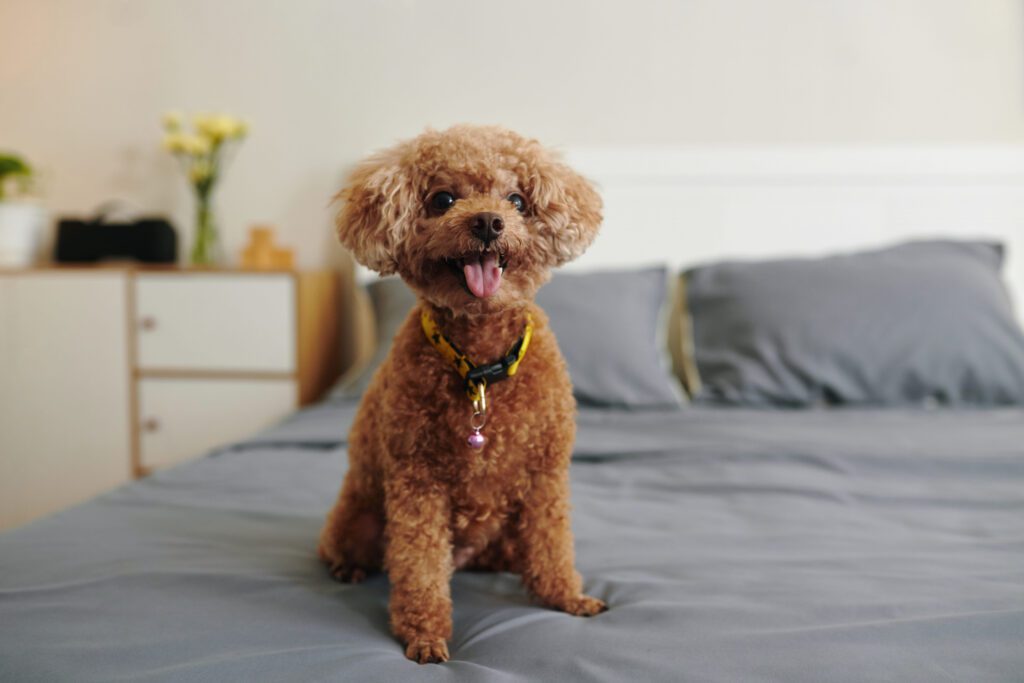
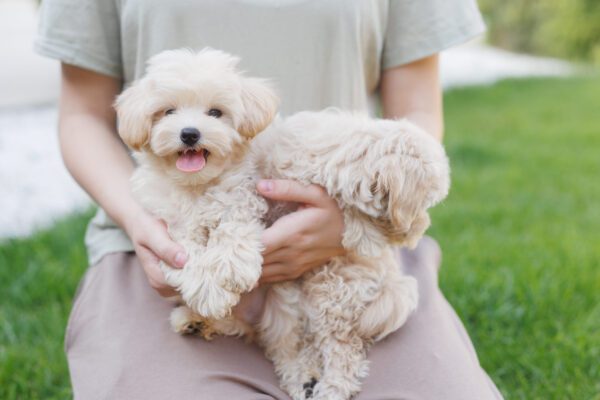
Toy Poodles are bright, affectionate, and eager to please. They learn quickly and enjoy being near their people. Their curly coat sheds very little, which helps many allergy-sensitive households. Their small size fits apartments and condos, and their lively spirit makes daily enrichment essential.
Thoughtful research sets you and your Toy Poodle up for success. Understanding energy needs, grooming schedules, and training commitments helps you choose a dog that fits your routine. Adoption gives a deserving dog a new start and supports the life-saving work of shelters and rescues. It also provides transparency on behavior and health, because many Toy Poodles enter foster care where volunteers learn each dog’s needs.
Washington suits Toy Poodles when owners plan for weather and terrain. The west side has cool, wet winters and mild summers. The east side has colder winters and hotter, drier summers. A warm sweater and a waterproof coat help on chilly, rainy days. Short midday walks and shaded routes protect small dogs during summer heat. Urban life offers sidewalks and indoor training spaces, while suburban neighborhoods provide quiet streets for gentle exercise. Scenic trails are rewarding when you keep outings short, steady, and on leash.
You can skip searching shelters and rescues one by one when you use Dog Academy. You can browse Toy Poodles available in Washington, filter by age or size, and contact caretakers through clear listings. Dog Academy also offers educational guides and adoption checklists that help you prepare for applications, meet-and-greets, and the first week at home.
Adoptable Toy Poodles appear through local animal shelters, regional rescues, breed-specific rescue groups, and foster-based networks. New dogs arrive often, so checking listings daily helps you act fast. Reading each profile closely helps you understand temperament, energy level, health notes, and grooming needs.
The process usually starts with an online application. Organizations request household details, pet history, veterinarian information, and landlord approval if you rent. Some ask for personal references. After an application review, coordinators schedule a phone interview to confirm fit and to answer questions about exercise plans, grooming, and training goals. Timelines vary by group, but approval often takes 1 to 2 weeks when you respond quickly and provide all documents.
Next comes a meet-and-greet with the dog, which often occurs at a shelter, an adoption center, or a foster home. A home check may follow, which can be virtual or in person, to confirm safe fencing, secure doors, and a quiet space for decompression. Many groups offer a short trial adoption to ensure a good match. Some rescues arrange transport to move dogs between locations when a strong match exists, and they use volunteer drivers or licensed carriers to keep travel safe. Final approval leads to a signed contract, payment of the adoption fee, and pickup with medical records and care instructions.

|
How Much Does It Cost to Adopt a Toy Poodle in Washington?In Washington, most adopters can expect fees for Toy Poodles to fall between $350 and $500 for adults. Puppies can cost $500 to $700 due to higher demand and preventive care, while seniors often range from $150 to $300 to encourage placement. Fees shift with age, training, medical care, and regional demand. A well-socialized dog with recent dental work or specialized training may be priced at the higher end. Adoption fees usually include spaying or neutering, vaccinations, microchipping, and veterinary exams. Many groups also provide deworming and a recent health check. Budget for essentials beyond the fee, which can include a harness, a crate, grooming tools, and an initial professional groom. Routine grooming every 4 to 8 weeks keeps the coat healthy and prevents matting. |
How Should I Train a Toy Poodle?Toy Poodles are highly intelligent and thrive on clear structure and upbeat feedback. Short sessions with food rewards and play keep focus high. Mark and reward calm behavior, leash manners, and polite greetings. Avoid harsh corrections. Consistent positive reinforcement builds trust and speeds learning. Common challenges include alert barking, small-dog pushiness, and weather-related housetraining setbacks. Teach a quiet cue, reinforce a settle on a mat, and rotate puzzle feeders to channel energy. Use frequent potty breaks, a covered outdoor area, and careful timing to prevent indoor accidents during cold or wet weather. Gentle handling exercises help with ear care, nail trims, and brushing. If you want step-by-step guidance, explore Dog Academy’s online training courses, which provide structured lessons for obedience, leash skills, and enrichment tailored to small breeds. |
|
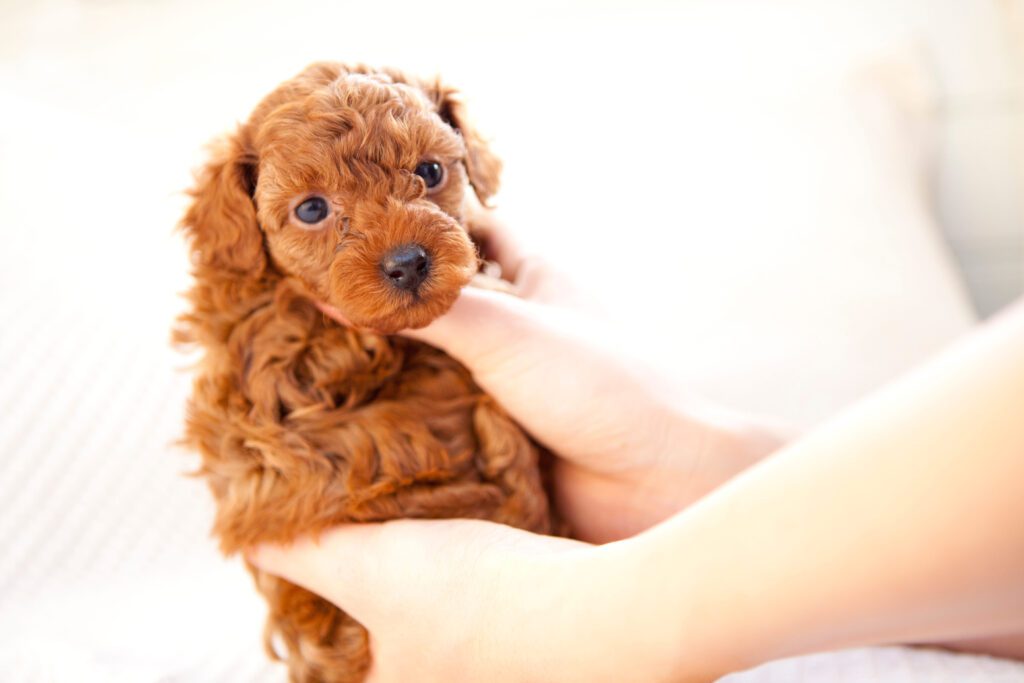
The best match is an owner who enjoys daily walks, indoor play, and regular grooming. A calm home with consistent routines helps a Toy Poodle feel secure. Clear rules, patient training, and gentle socialization create a confident companion.
Take time to prepare your space, confirm a veterinary plan, and set a sustainable grooming schedule. Review training goals and gather supplies before pickup. When you are ready, browse Toy Poodles through Dog Academy’s adoption listings, study each profile carefully, and move at a pace that supports a lasting match. Your new partner will reward your patience with affection, laughter, and lifelong loyalty.

Introducing a new puppy to your current dog is often an exciting process, and many dogs will become fast friends and eas...
Read More
Rescue dogs can make great companions and can transform your home into something better. These dogs make great pets and ...
Read More
You should never rush to pet a dog. Even dog owners make the mistake of approaching unfamiliar dogs and petting them rig...
Read More
Puppy mill dogs are survivors who have endured extreme hardships in their lives. They have grown up in horrendous, unsan...
Read More
With their wagging tails and comforting presence, adopting a dog can add a unique touch to your life. It’s a heart...
Read More
Older dogs may have a few gray hairs around the edges, but that doesn’t mean they can’t make wonderful companions! T...
Read More