
























































































































































Introducing a new puppy to your current dog is often an exciting process, and many dogs will become fast friends and eas...
Read MoreAdopt Me

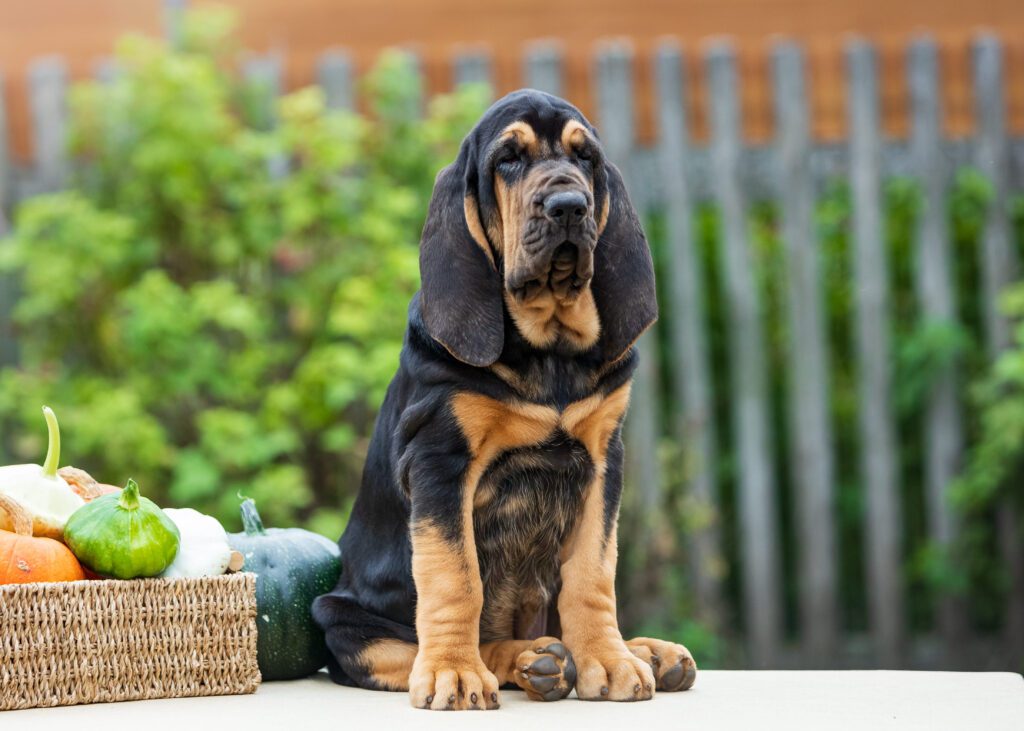

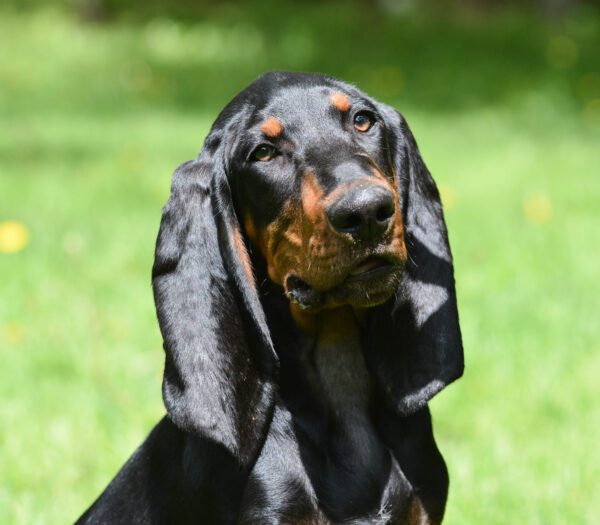
Bloodhounds are gentle, affectionate, and famously dedicated to following a scent. They form deep bonds with their families and show a sweet, steady temperament that suits patient owners. Their large size, deep voice, and enthusiastic nose require structure and training, yet their calm nature at home makes them wonderful companions.
Research matters before you adopt. A Bloodhound can thrive when you understand exercise needs, drool management, ear care, and the realities of a powerful scent drive. Adoption is a smart path because it helps a dog in need, supports ethical placement, and often provides valuable history from caregivers who know the dog well.
Washington offers varied conditions that fit this breed with preparation. Cool, damp weather west of the Cascades suits a Bloodhound better than extreme heat. Eastern Washington can bring hot summers, so shade, hydration, and slower outings keep a Bloodhound safe. The state’s forests, coastal paths, and mountain trails invite sniff-filled walks, though a secure leash and a fenced yard are important because a scent can pull a Bloodhound far from home. Apartment living is possible with daily exercise and considerate noise management, yet many Bloodhounds do best with space and a quiet routine.
You can skip searching shelters and rescues one by one by using the adoption listings at Dog Academy. You can browse available Bloodhounds in one place, learn about requirements, and use educational guides and adoption checklists to prepare your home and family.
Adoptable Bloodhounds in Washington can be found through local animal shelters, regional rescues, and breed-specific rescue groups. Many dogs live with foster caregivers who observe behavior in a home setting. Foster notes help you understand activity level, social skills, and housetraining progress before you commit.
The process usually starts with browsing listings, then submitting an application that explains your home, schedule, and experience. Most groups request proof of housing rules, identification, and a plan for veterinary care. A meet-and-greet follows, often with the full household and any resident dogs, so everyone can interact safely. Home checks help confirm that fencing is secure, indoor spaces are safe, and the dog has a quiet area for rest. Many adopters receive a decision within 1 to 3 weeks, though timelines can be longer for puppies or medical cases because teams must coordinate care and appointments.
Some rescues arrange transport to move dogs between locations when a better match lives in another area. Transport is often organized by rescue coordinators who use volunteer drivers or professional carriers to move dogs safely. Health certificates and scheduling are required, and adopters may pay a modest transport fee to cover fuel or carrier costs.
|
How Much Does It Cost to Adopt a Bloodhound in Washington?Most adopters in Washington can expect to pay about $250 to $450 for an adult Bloodhound. Puppies or dogs with high demand may cost about $350 to $600 due to higher preventive care and training needs. Fees vary with age, training, medical care, and local demand, and they can be higher in metro areas where veterinary services cost more. Adoption fees usually cover spaying or neutering, vaccinations, microchipping, and veterinary exams. Some groups include dental work, treatment for ear infections, or professional behavior support, which can increase the fee. A dog that has completed basic training or received specialized medical care may be priced at the upper end of the range because the organization has already invested in the dog’s health and manners. |
How Should I Train a Bloodhound?Bloodhounds are smart and sensitive, yet they are independent workers bred to follow a trail. That means they respond best to short, upbeat sessions that use food rewards and scent-based games. Positive reinforcement builds trust and keeps a Bloodhound engaged, while harsh corrections can shut down learning and cause stress. Focus on leash manners, recall on a long line, and a strong leave it. These skills help you manage powerful scent instincts on trails and in busy neighborhoods. Add enrichment through nose work and slow sniff walks to satisfy natural drives and reduce frustration. Teach calm greetings, mat training for settle, and crate training for safe rest and travel. Consistency, clear cues, and daily mental exercise keep progress steady. You can build these skills step by step with Dog Academy’s online training courses. Lessons cover loose leash walking, reliable recall, impulse control, and enrichment ideas that keep a scent hound focused. Structured practice plans help your Bloodhound learn at home and in real-life settings across Washington. |

|
A great Bloodhound adopter enjoys long walks, values routine, and has patience for a methodical learner with a big heart. A secure yard, daily sniff time, and a plan for drool and ear care help this breed thrive. Families who respect a calm environment and steady training will be rewarded with unwavering loyalty.
Take time to research, gather supplies, and align schedules before you apply. Explore listings, ask thoughtful questions, and move at a pace that feels right for you and the dog. With preparation and the right support, you can adopt a Bloodhound in Washington and bring home a devoted companion who is ready to explore every trail by your side.
Introducing a new puppy to your current dog is often an exciting process, and many dogs will become fast friends and eas...
Read More
Rescue dogs can make great companions and can transform your home into something better. These dogs make great pets and ...
Read More
You should never rush to pet a dog. Even dog owners make the mistake of approaching unfamiliar dogs and petting them rig...
Read More
Puppy mill dogs are survivors who have endured extreme hardships in their lives. They have grown up in horrendous, unsan...
Read More
With their wagging tails and comforting presence, adopting a dog can add a unique touch to your life. It’s a heart...
Read More
Older dogs may have a few gray hairs around the edges, but that doesn’t mean they can’t make wonderful companions! T...
Read More