













































































































































































Introducing a new puppy to your current dog is often an exciting process, and many dogs will become fast friends and eas...
Read MoreAdopt Me

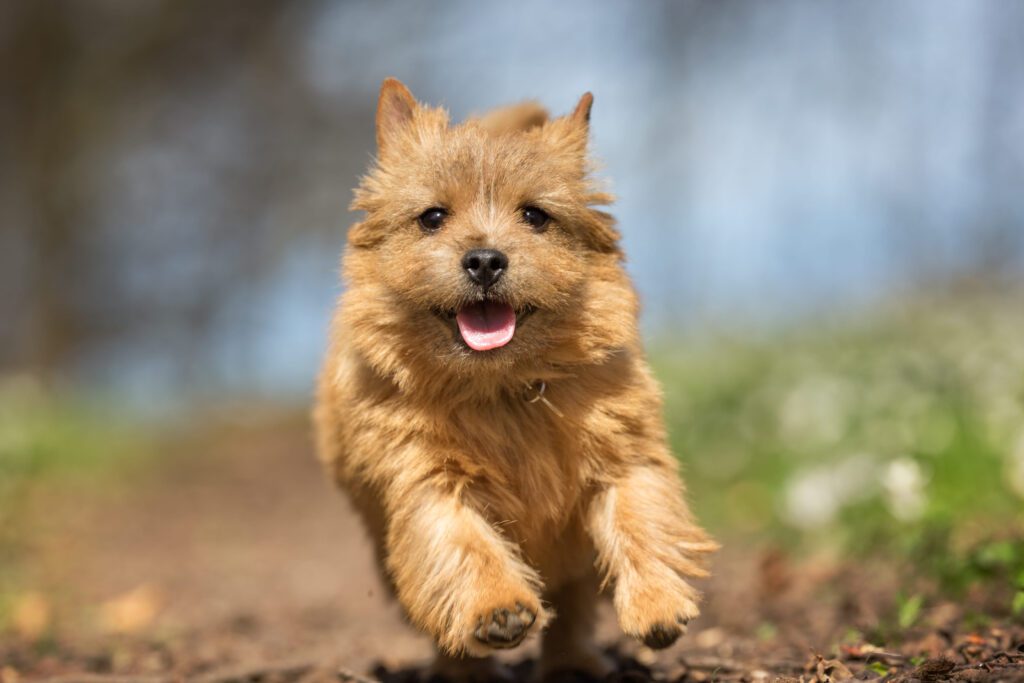


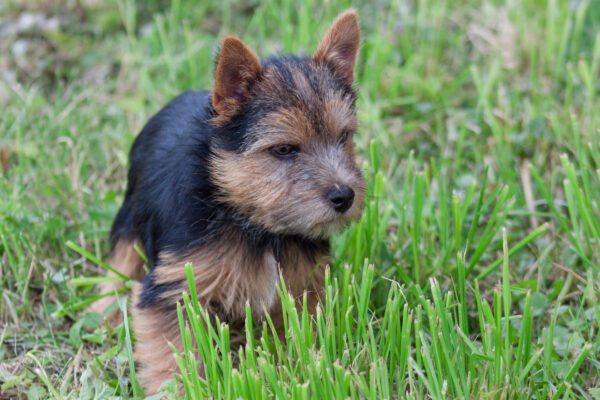
The Norwich Terrier is a compact, spirited, and affectionate companion that thrives on close contact with people. This small terrier is confident without being pushy, playful without being hyper, and sturdy despite its size. The breed enjoys brisk walks, puzzle games, and relaxed evenings on the couch. Careful research before adoption ensures that your new dog’s energy level, grooming needs, and temperament fit your home and routine.
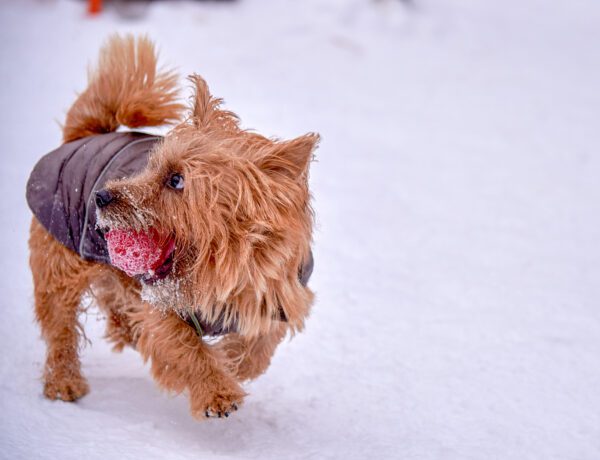
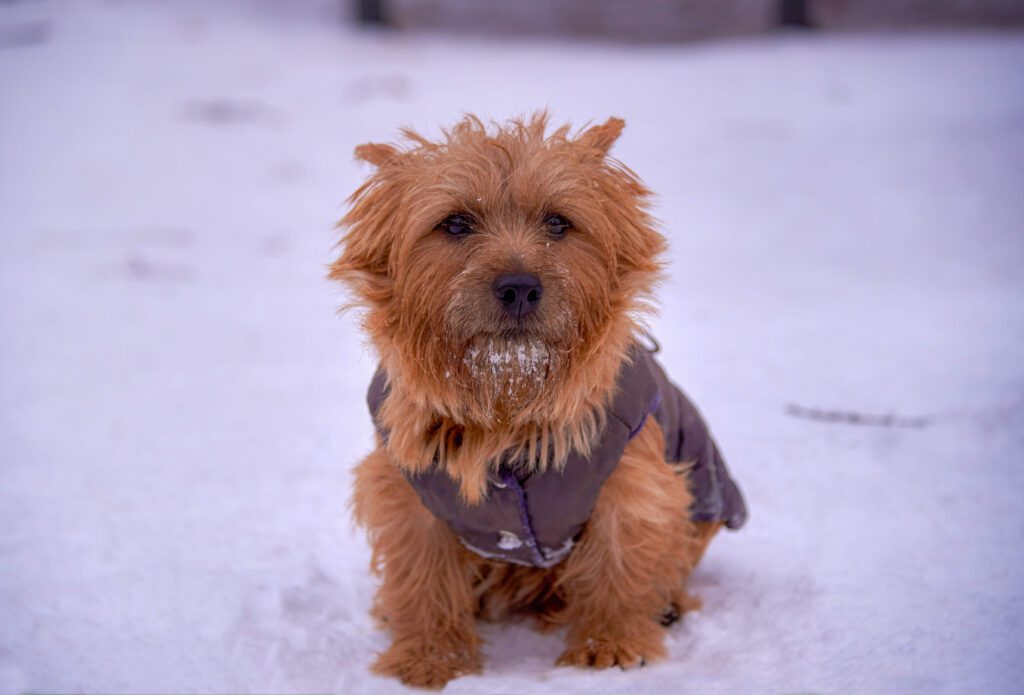
Adoption is a powerful choice because it gives a dog a second chance while supporting responsible animal welfare. It often includes key veterinary care and post-adoption support. Washington’s varied climate and geography suit the Norwich Terrier when owners plan ahead. The wiry double coat sheds lightly and repels drizzle in western Washington, yet the small body benefits from a warm jacket during freezing temperatures or windy mountain conditions. Trails, beaches, and neighborhood sidewalks provide great outlets for exercise, though a secure leash or fenced yard is important due to the breed’s prey drive.
Washington lifestyles range from urban apartments to rural properties, and a Norwich Terrier can adapt to both when daily needs are met. The breed does well with city living when it receives 2 to 3 leashed walks and short training sessions each day. In suburban and rural areas, secure fencing helps prevent chasing wildlife. Consistent training, gentle handling, and mental enrichment help channel terrier curiosity into good manners.
You can avoid searching for rescues and shelters separately by using Dog Academy to browse current adoption listings across locations. Dog Academy also provides educational guides and adoption checklists that explain requirements, documents, and timelines so you can prepare with confidence.
In Washington, adoptable Norwich Terriers may be found through local animal shelters, regional rescues, and breed-specific rescue groups. Many dogs live in foster homes where volunteers learn about behavior, energy level, and house manners. If a suitable match is not available nearby, rescues sometimes arrange transport between locations. Transport is a coordinated system that moves dogs safely using vetted drivers or licensed carriers, health certificates when required, and confirmed pickup plans.
Begin by browsing listings that include photos, age, size, temperament notes, and any known medical history. Read each profile closely and ask clear questions about exercise needs, grooming expectations, tolerance for children or other pets, and any training the dog has started. Matching your schedule and environment to the dog’s needs leads to a smoother transition and fewer surprises.
Most organizations use an application that checks for a stable living situation, permission to have pets when you rent, and a plan for daily care. You may be asked for personal references, a veterinary contact, and proof of identification. Many groups schedule a meet-and-greet to observe compatibility with all household members, including resident dogs or cats. Home checks may be virtual or in person to confirm safety, secure fencing, and reasonable space for exercise. Approval timelines vary by group and by volunteer availability, though many adoptions finalize within 3 to 14 days when documents are complete and communication is prompt.
Once approved, you will sign an adoption contract, pay the fee, and schedule pickup or a confirmed transport. Some groups offer a foster-to-adopt period, which allows the dog to live in your home while the rescue provides oversight and support to confirm the match. Staying responsive and prepared with supplies helps your new Norwich Terrier settle quickly and comfortably.
|
How Much Does It Cost to Adopt a Norwich Terrier in Washington?In Washington, a realistic adoption fee for a Norwich Terrier typically falls between $300 and $600. Adult dogs often range from $350 to $500, seniors may be closer to $200 to $350, and rare puppies may reach the top of the range. Fees vary based on age, prior training, recent medical care, and local demand for small companion breeds. Adoption fees usually reflect services already provided, which often include spaying or neutering, vaccinations, microchipping, and veterinary exams. Costs can increase when a dog has received dental work, specialist treatment, or behavioral support before placement. Some groups may add modest charges for licensing, health certificates for transport, or post-adoption training support. Plan for initial supplies such as a crate, bed, leash, harness, and quality food so your Norwich Terrier arrives to a well-prepared home. |
How Should I Train a Norwich Terrier?The Norwich Terrier is bright, eager, and independent, which means training works best when it is upbeat and consistent. Short sessions with food rewards and play keep attention high, while clear cues and calm repetition build reliability. Harsh corrections can damage trust and increase stubborn behavior, while positive reinforcement teaches the dog what to do and motivates the dog to repeat it. Focus early on house training, crate training, and polite leash skills. Teach impulse control with simple exercises like sit and wait at doors, then build to a reliable recall using a long line in safe areas. Manage the prey drive by reinforcing check-ins, practicing leave it, and keeping outdoor time supervised. Address barking by meeting exercise needs, rewarding quiet moments, and providing chew items and puzzle feeders to prevent boredom. Grooming cooperation matters for this breed’s wiry coat, so pair brushing and nail care with treats and praise. For step-by-step help from home, explore Dog Academy’s online training courses, which provide structured lessons, real-world practice plans, and expert support for recall, loose-leash walking, crate comfort, and calm behavior around distractions. |
|
The ideal owner for a Norwich Terrier enjoys daily walks, short training sessions, and playful indoor time. A good match is someone who values companionship, can set gentle boundaries, and can provide secure outdoor access or consistent leashed exercise. Families with respectful children, active singles, and retirees often find the breed’s cheerful nature and compact size easy to integrate into daily life.
Preparation sets your adoption up for success. Gather supplies, schedule a veterinary visit, and plan a patient first week with a simple routine and quiet downtime. Take your time, ask detailed questions, and use Dog Academy to compare options and organize your checklist. With thoughtful research and steady training, you can adopt a Norwich Terrier in Washington and welcome a loyal, lively companion into your home.

Introducing a new puppy to your current dog is often an exciting process, and many dogs will become fast friends and eas...
Read More
Rescue dogs can make great companions and can transform your home into something better. These dogs make great pets and ...
Read More
You should never rush to pet a dog. Even dog owners make the mistake of approaching unfamiliar dogs and petting them rig...
Read More
Puppy mill dogs are survivors who have endured extreme hardships in their lives. They have grown up in horrendous, unsan...
Read More
With their wagging tails and comforting presence, adopting a dog can add a unique touch to your life. It’s a heart...
Read More
Older dogs may have a few gray hairs around the edges, but that doesn’t mean they can’t make wonderful companions! T...
Read More