



























































































































































































Introducing a new puppy to your current dog is often an exciting process, and many dogs will become fast friends and eas...
Read MoreAdopt Me

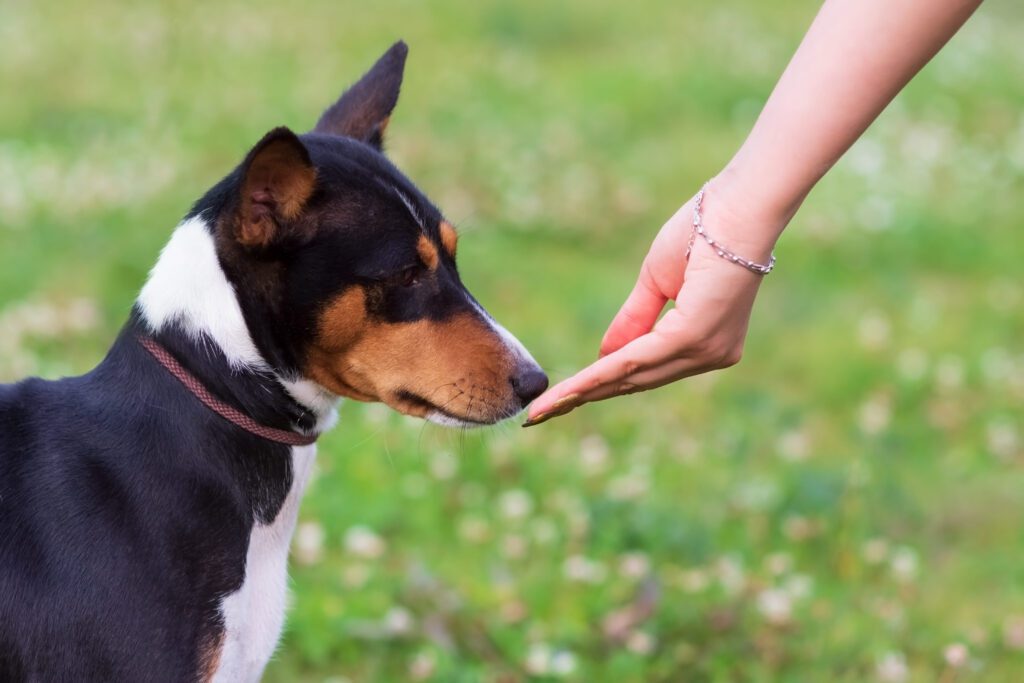
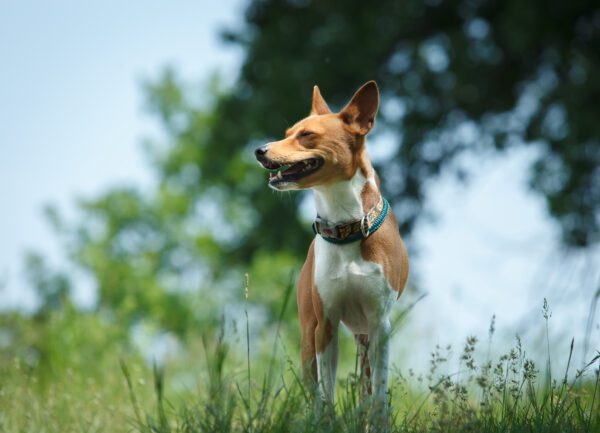
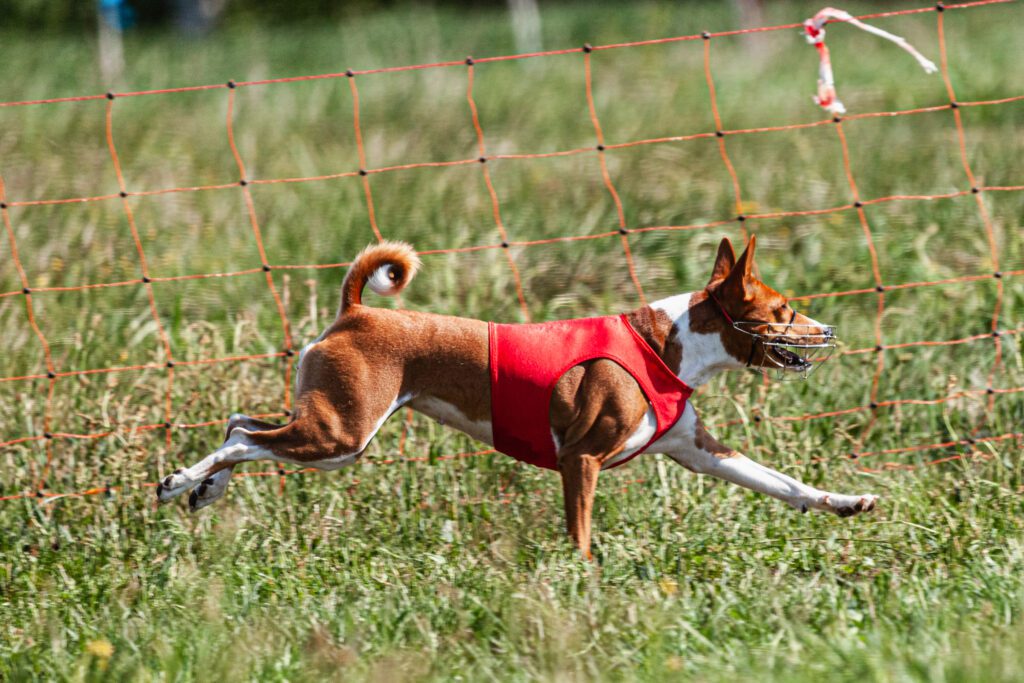
The Basenji is an athletic, cat-like hound known for keen intelligence, graceful movement, and a famously quiet voice. This breed rarely barks and often communicates with yodels and trills. A well-matched Basenji bonds closely with family, enjoys active routines, and thrives on problem solving and enrichment.
Research matters before you adopt a Basenji in Washington. Adoption gives a dog a second chance, supports community animal welfare, and usually includes essential veterinary care that helps you start strong. The Basenji’s independent mind, quick reflexes, and high prey drive require thoughtful training and a plan for daily exercise. A good match respects the breed’s needs and your lifestyle so that both you and your dog set up for success.
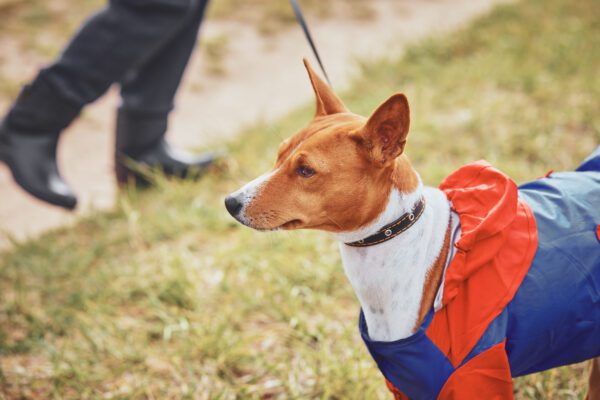
Washington offers beautiful trails and dog-friendly communities, yet the climate can challenge a short-coated Basenji. Western Washington sees frequent rain and cool winters, so a weatherproof coat and quick towel dry after walks keep a Basenji comfortable. Eastern Washington brings hot summers and colder winters, which calls for shade, water, and winter layering. Urban apartments can work when you schedule structured walks and mental games, while homes with yards need secure fencing because Basenjis are agile climbers and fast chasers.
You can skip separate searches across rescues and shelters by browsing adoptable dogs through Dog Academy. You will see options from local animal shelters, regional rescues, and breed-specific rescue groups in one place. Dog Academy also provides educational guides and adoption checklists that explain paperwork, home setup, travel planning, and first-week routines so you feel prepared from day one.
Start by reviewing listings from local animal shelters, regional rescues, and breed-specific rescue groups. Many Basenjis live in foster homes where caregivers share detailed notes about energy level, house manners, and compatibility with kids or other pets. Read each profile closely and make sure the dog’s energy, training needs, and medical history align with your home and schedule.
Most organizations use a similar process. You submit an application with personal references and landlord approval if you rent. A coordinator schedules a phone interview to confirm your experience, daily routine, and training plan. A meet-and-greet allows your household and any resident pets to interact with the dog in a calm setting. A home check verifies safety features such as secure fencing, safe storage for cleaners and medications, and a plan for exercise and containment. Approval timelines vary by volume and background checks, though many adoptions finalize within 1 to 3 weeks when paperwork and scheduling move quickly.
Availability can change fast. If you are open to age, sex, or color, you increase your chances of a great match. Some rescues also arrange transport to move dogs between shelters or states. Transport usually involves vetted drivers or pet transport services that move dogs along a scheduled route, and adopters meet at a safe pickup point after approval.
Before you finalize, review the adoption agreement carefully. Confirm the return policy, what medical care the dog has received, and any required follow-ups such as booster vaccinations or a spay or neuter appointment if the dog is not yet altered. Clear expectations help you support a smooth transition at home.
|
How Much Does It Cost to Adopt a Basenji in Washington?Most adopters in Washington can expect fees around $300 to $600 for adult Basenjis and about $450 to $800 for puppies. Fees trend higher for puppies due to demand and recent medical work, while seniors or special-needs dogs can fall on the lower end when organizations promote placement. Washington’s veterinary and transport costs also influence final pricing. Fees usually include spaying or neutering, vaccinations, microchipping, and veterinary exams. Costs can rise if the dog recently received dental care, diagnostic testing, or professional training. Age, current training, medical updates, and regional demand for the breed all factor into the final fee. |
How Should I Train a Basenji?The Basenji is intelligent and observant, which makes training both rewarding and challenging. The breed learns quickly but values independence, so short sessions, high-value rewards, and clear structure work best. Positive reinforcement builds trust and keeps a Basenji engaged, while harsh corrections can create avoidance or stubborn behavior. Focus on foundation skills that support real life. Teach a reliable settle, loose-leash walking, solid recall with a long line, and crate training that builds calm independence. Channel prey drive with scent games, flirt pole play, and puzzle feeders so natural instincts have a safe outlet. Manage the environment with secure fencing and supervised outdoor time, since most Basenjis should not roam off leash. For step-by-step guidance you can start today, explore Dog Academy’s online training courses. You will find clear lessons on obedience, leash skills, recall, enrichment, and problem prevention that fit busy Washington schedules. |
|
The ideal Basenji adopter enjoys daily activity, values routine, and commits to consistent training. A good match provides secure containment, mental enrichment, and weather-appropriate gear for rainy or cold Northwest days. Families with patient older children, active singles, or couples who like structured hikes and brain games often do well with this breed.
Take your time, ask questions, and prepare your home before you bring a dog home. Use Dog Academy resources to research the breed, follow adoption checklists, and compare listings until you find the right fit. With thoughtful planning, you can adopt a Basenji in Washington and welcome a clever, loyal companion who thrives by your side.

Introducing a new puppy to your current dog is often an exciting process, and many dogs will become fast friends and eas...
Read More
Rescue dogs can make great companions and can transform your home into something better. These dogs make great pets and ...
Read More
You should never rush to pet a dog. Even dog owners make the mistake of approaching unfamiliar dogs and petting them rig...
Read More
Puppy mill dogs are survivors who have endured extreme hardships in their lives. They have grown up in horrendous, unsan...
Read More
With their wagging tails and comforting presence, adopting a dog can add a unique touch to your life. It’s a heart...
Read More
Older dogs may have a few gray hairs around the edges, but that doesn’t mean they can’t make wonderful companions! T...
Read More