































































































































Introducing a new puppy to your current dog is often an exciting process, and many dogs will become fast friends and eas...
Read MoreAdopt Me

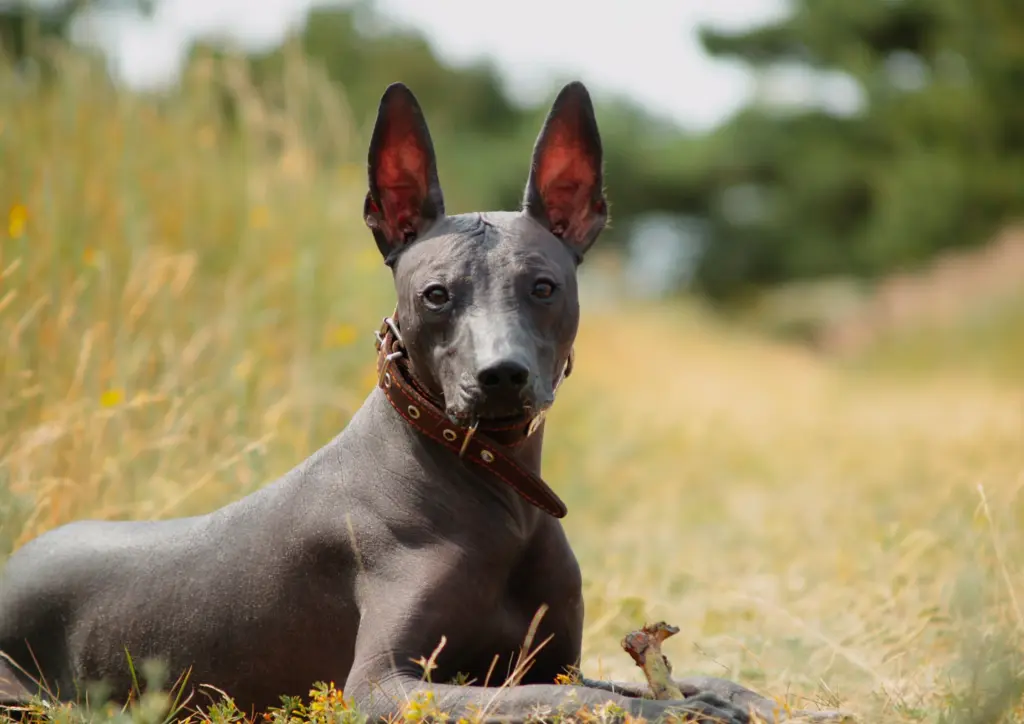
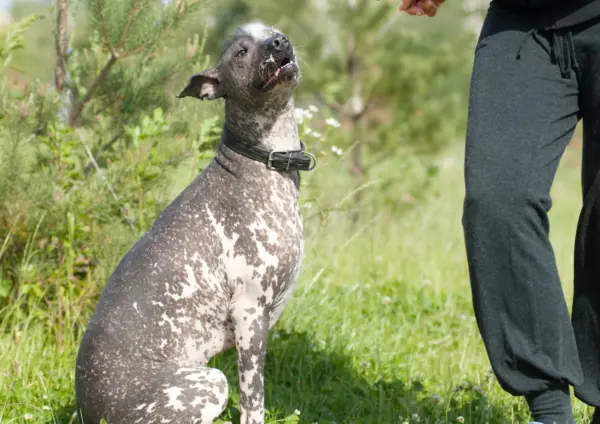
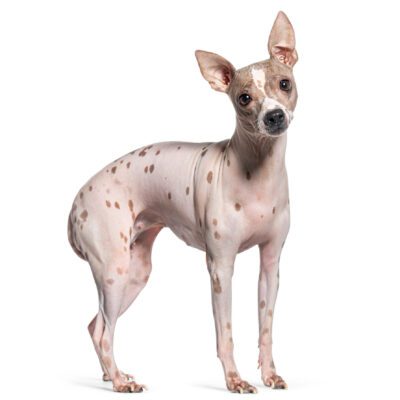
The Xoloitzcuintli is calm, devoted, and highly intelligent. This ancient breed bonds deeply with family and often stays reserved with strangers, which many adopters value for a quiet and thoughtful companion. Grooming needs are low, though the hairless variety needs steady skin care and sun protection. The coated variety has a short, low-shedding coat and simple upkeep.
Thoughtful research helps you match a dog’s needs with your lifestyle. Adoption often provides a fuller picture of temperament, history, and medical care, and it also gives a deserving dog a new start. Adoption costs are usually lower than buying through commercial channels and commonly include essential veterinary services. A Xolo can thrive in Nevada with the right plan. The state’s intense sun, dry air, and hot pavement require careful timing of walks, protective clothing, and paw safety. High-desert nights and mountain areas can feel cold, so a warm sweater and indoor comfort matter.
Nevada’s cities offer dog-friendly amenities, while rural stretches invite scenic walks with caution. Early morning and evening outings suit a hairless Xolo best in summer. Year-round hydration, shade, and skin care keep this breed healthy and comfortable across the state’s varied terrain.
You can avoid searching rescues and shelters separately by using Dog Academy. The adoption listings let you browse available dogs in one place, and Dog Academy also provides educational guides and adoption checklists that make each step clear and organized.
Start by checking local animal shelters, regional rescues, and breed-specific rescue groups. Review each listing carefully and confirm key details such as size, age, hairless or coated variety, energy level, and comfort with children or other pets. Contact the organization with clear questions about skin care history, socialization, and any training in progress.
Most groups use an application that asks about your home setup, daily schedule, training plan, and experience with sensitive breeds. Landlord approval is required for renters, and references are often requested. Be ready to describe how you will manage sun exposure, pavement heat, and cold nights, which shows that you understand Nevada’s climate and the breed’s needs.
Meet-and-greets help you gauge compatibility. Bring household members and arrange a slow introduction with resident dogs. Many groups complete a home check that can be virtual or in person to confirm safety and readiness. Approval timelines vary by organization and volunteer availability, though many decisions in Nevada happen within 3 to 10 days once interviews and checks are complete.
If your chosen dog is outside your area, some rescues arrange transport between locations. Transport is often handled by volunteer drivers or professional pet transport services that move dogs safely across regions. The group will explain schedules, costs, and transfer points in advance. On adoption day you sign the contract, pay the fee, receive medical records, and review a transition plan that covers feeding, routines, and first-week training.
|
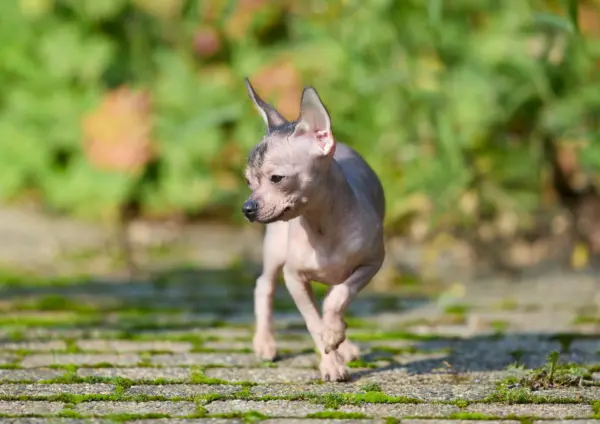
How Much Does It Cost to Adopt a Xoloitzcuintli in Nevada?In Nevada, a realistic adoption fee for a Xoloitzcuintli is usually $250 to $450 for adults and $350 to $650 for puppies. Rarity and demand can place purebred dogs at the higher end, while mixes often sit near the lower end. Fees typically include spaying or neutering, vaccinations, microchipping, and veterinary exams, which significantly reduces first-month costs. Age, training, medical care, and demand influence pricing. Puppies and young adults often cost more due to high demand and preventive care. Dogs that have received professional training may carry a higher fee. Special medical treatment can raise costs while sponsored dogs may be lower. If transport is needed, the organization may add a modest transport surcharge to cover safe travel logistics. |
How Should I Train a Xoloitzcuintli?The Xoloitzcuintli is bright, sensitive, and eager to work with a trusted person. Short daily sessions, calm guidance, food rewards, and play build skills quickly. Focus on foundation behaviors such as name recognition, touch, sit, down, and go to mat. Socialization with friendly people and steady dogs supports confidence and reduces reactivity. Common challenges include alert barking, separation distress, and a tendency to become hyper-attached. Prevent rehearsals of problem behaviors and reward quiet moments, relaxed settles, and check-ins. Build alone-time tolerance in small steps, and pair departures with a long-lasting chew. Teach loose-leash walking and recall in low-distraction areas before expanding outdoors. In Nevada, practice early or late when pavement is cool and use shade breaks to keep sessions safe. A soft, well-fitted harness protects the skin and avoids friction. You can build a complete plan with Dog Academy’s online training courses. Step-by-step lessons cover house training, basic obedience, impulse control, leash manners, and confidence-building for sensitive dogs. Clear guidance helps you create consistent routines that a Xolo understands and enjoys. |
|
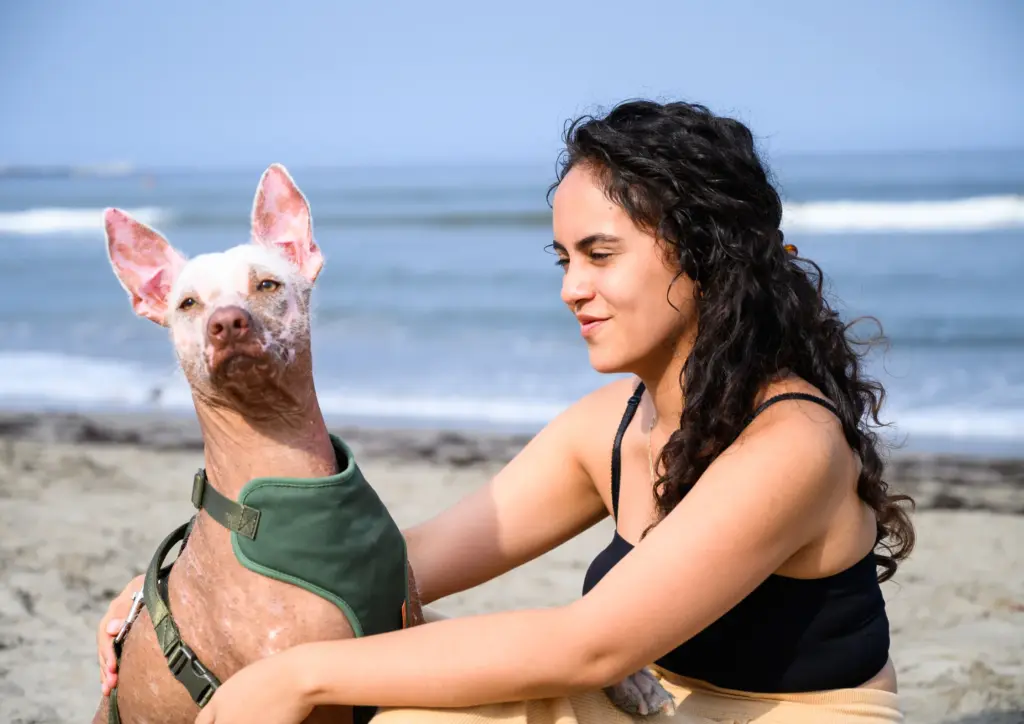
The ideal adopter enjoys a close bond, structured routines, and gentle training. A Xolo thrives with moderate daily exercise, mental enrichment, and thoughtful skin care that includes sun protection, moisturizing as recommended by a veterinarian, and temperature management. Climate control at home, shaded outdoor areas, and soft bedding keep this breed comfortable.
Preparation leads to success. Set a realistic budget, gather supplies such as sun-safe shirts, paw protection for hot surfaces, and a well-fitted harness, and map out a training schedule. Take your time, ask clear questions, and choose the dog whose needs align with your lifestyle. With patience and planning, you can adopt a Xoloitzcuintli in Nevada and enjoy a loyal companion for many years.
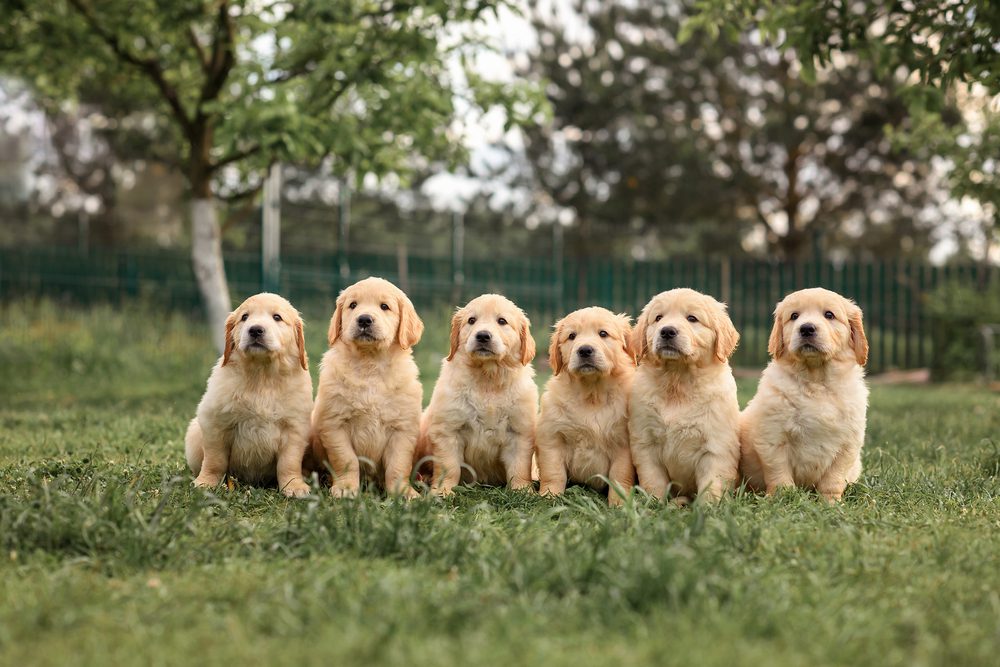
Introducing a new puppy to your current dog is often an exciting process, and many dogs will become fast friends and eas...
Read More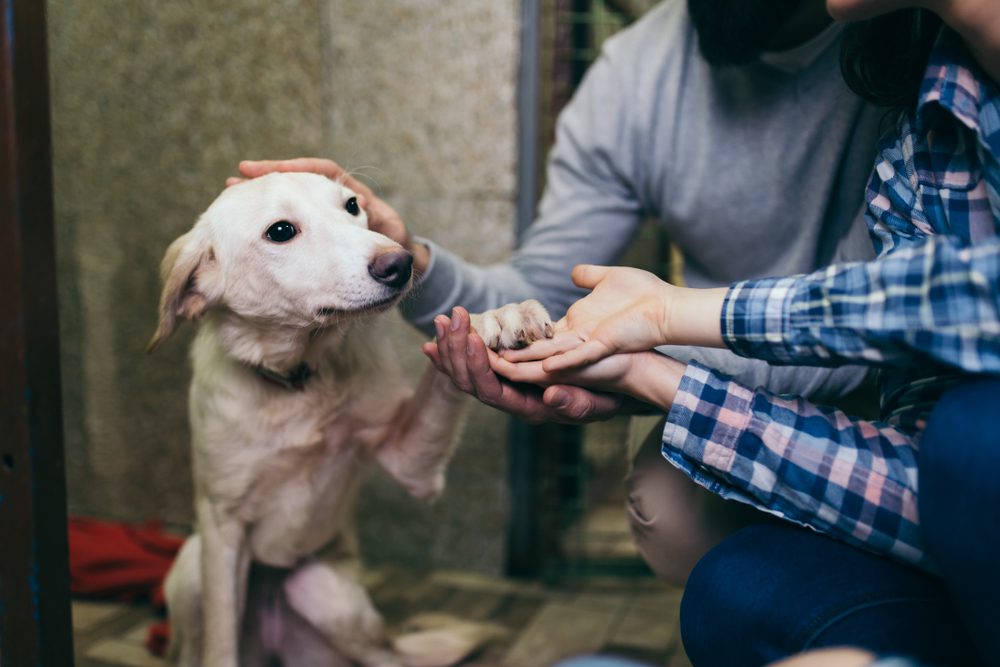
Rescue dogs can make great companions and can transform your home into something better. These dogs make great pets and ...
Read More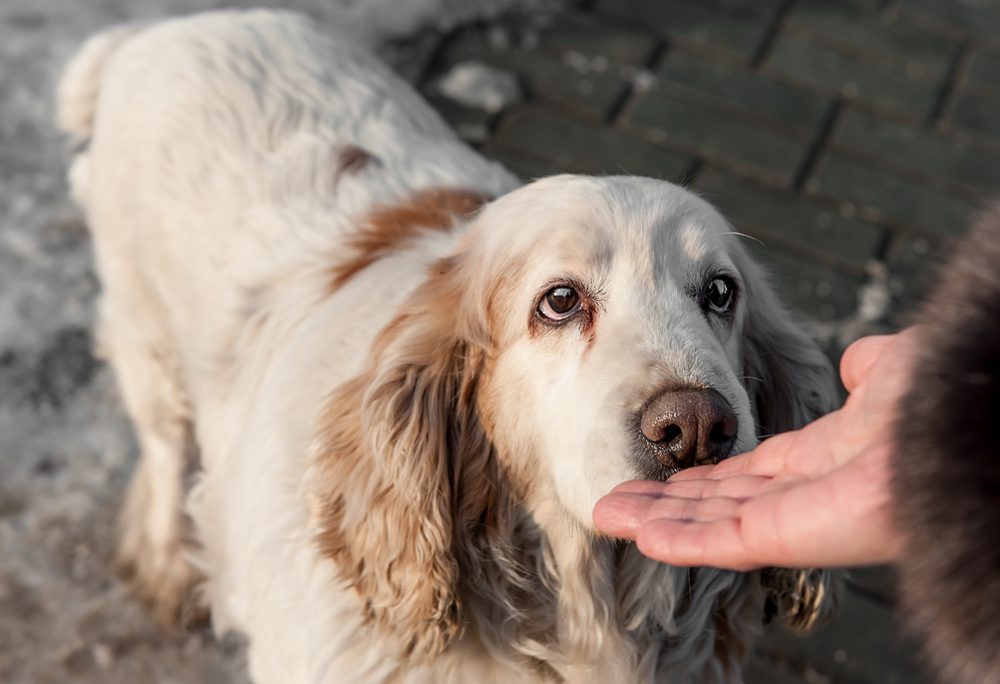
You should never rush to pet a dog. Even dog owners make the mistake of approaching unfamiliar dogs and petting them rig...
Read More
Puppy mill dogs are survivors who have endured extreme hardships in their lives. They have grown up in horrendous, unsan...
Read More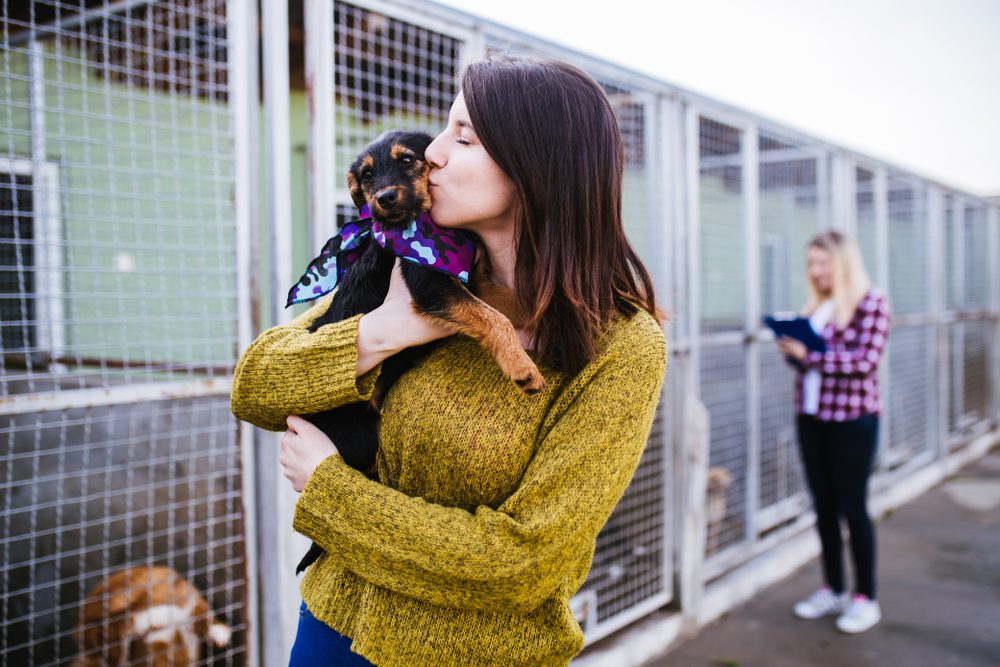
With their wagging tails and comforting presence, adopting a dog can add a unique touch to your life. It’s a heart...
Read More
Older dogs may have a few gray hairs around the edges, but that doesn’t mean they can’t make wonderful companions! T...
Read More