

























































































































































































Introducing a new puppy to your current dog is often an exciting process, and many dogs will become fast friends and eas...
Read MoreAdopt Me





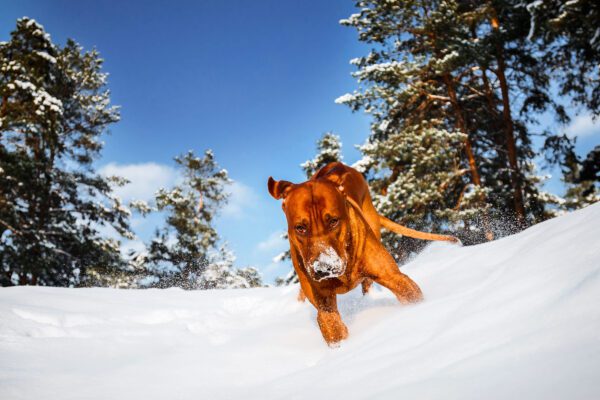
A Rhodesian Ridgeback is a powerful, athletic, and affectionate companion that bonds deeply with its family. The breed is confident and intelligent with an independent streak that rewards patient guidance. Many people choose this breed for trail adventures, running, and loyal companionship at home.
Research matters before you adopt. A Ridgeback needs daily exercise, steady training, and thoughtful socialization. Adoption gives a deserving dog a second chance, reduces pressure on breeding, and often provides full veterinary care before placement. Understanding the breed’s instincts and energy helps you choose the right match and set realistic expectations.
Nevada can suit a Ridgeback well if you manage heat and terrain. Summers are hot and dry, especially in desert valleys, so you must plan dawn and dusk outings, carry water, and protect paws from hot pavement. Winters can be chilly in higher elevations, so a warm resting area is important. The state offers open spaces and trails that fit an active lifestyle, yet urban living can also work when exercise and structure are consistent every day.
You can avoid searching local shelters and rescues one by one by using Dog Academy to browse adoption listings in one place. You can also use Dog Academy for educational guides and step-by-step adoption checklists that help you prepare your home, ask the right questions, and compare dogs fairly.
Start by browsing listings from local animal shelters, regional rescues, and breed-specific rescue groups that serve Nevada. Read each profile closely to understand age, temperament, health history, and any training notes. A careful review helps you match your lifestyle with the dog’s needs, activity level, and experience with children or other pets.
Most organizations ask you to complete an application that includes household details, landlord approval when you rent, and veterinary references when available. After initial review, volunteers schedule a meet-and-greet to observe how the dog interacts with you and with resident pets. Many groups conduct a home check that confirms safe fencing, secure gates, and an indoor space that allows rest and recovery. Some groups use a virtual home check with photos and video, while others visit in person.
Approval timelines vary by organization and by the number of applicants for a specific dog. Straightforward placements often take 1 to 3 weeks from application to adoption. If you are pursuing a dog with special medical needs or a high number of applicants, expect the process to take longer. Patience pays off because it allows time to verify fit and to set up supplies before the dog arrives.
Transport can expand your options when a great match is not located near you. Rescues sometimes arrange transport between cities or from neighboring states using volunteer drivers or approved carriers. Transport moves the dog safely along a planned route and may add a modest fee to cover fuel or professional handling. Fosters usually hold the dog until the transport date is set, and the rescue provides updates along the way.
|
How Much Does It Cost to Adopt a Rhodesian Ridgeback in Nevada?In Nevada, a realistic adoption fee for a Rhodesian Ridgeback is typically $275 to $475 for most adults and $350 to $650 for puppies. Senior dogs can be lower than adult fees when the goal is to encourage placement. These estimates reflect what large purebred dogs usually cost to vet and place through Nevada shelters and rescues. Fees often include spaying or neutering, vaccinations, microchipping, and veterinary exams. Pricing also shifts with age, training history, medical care, and demand for the breed. Dogs that receive treatment for injuries or chronic conditions may cost more because the organization absorbs that care before placement. Dogs that complete basic training or behavior support sometimes carry slightly higher fees that reflect professional time. |
How Should I Train a Rhodesian Ridgeback?A Rhodesian Ridgeback is bright and capable yet independent. The breed responds best to calm leadership, clear rules, and high-value rewards. Short sessions, upbeat feedback, and consistent routines help the dog focus and succeed. Common challenges include leash pulling, a strong prey drive, and selective recall. Build loose-leash skills with frequent reinforcement and turns that encourage attention. Practice recall in safe, fenced areas and gradually add distractions. Teach impulse control with sit, wait, and leave-it, and reward generously for calm choices. Mental enrichment through scent games and problem-solving toys complements daily exercise, which should be scheduled for cooler hours in Nevada’s summer heat. You can build a strong foundation with Dog Academy’s online training courses. The lessons use positive reinforcement, step-by-step progressions, and real-life scenarios that fit active households. A clear plan helps you prevent frustration and nurture a confident, responsive companion. |

|
The ideal adopter enjoys daily activity, appreciates a confident dog, and commits to steady training. A secure yard, a regular exercise routine, and respectful introductions to people and pets set a Ridgeback up for success. Thoughtful heat management and recovery time are essential in Nevada.
Prepare by gathering supplies, choosing a veterinarian, and arranging a training plan before your dog arrives. Take your time, ask detailed questions, and select the dog whose needs match your lifestyle. With careful research and support from Dog Academy resources, you can adopt a Rhodesian Ridgeback in Nevada and build a rewarding partnership that lasts for years.

Introducing a new puppy to your current dog is often an exciting process, and many dogs will become fast friends and eas...
Read More
Rescue dogs can make great companions and can transform your home into something better. These dogs make great pets and ...
Read More
You should never rush to pet a dog. Even dog owners make the mistake of approaching unfamiliar dogs and petting them rig...
Read More
Puppy mill dogs are survivors who have endured extreme hardships in their lives. They have grown up in horrendous, unsan...
Read More
With their wagging tails and comforting presence, adopting a dog can add a unique touch to your life. It’s a heart...
Read More
Older dogs may have a few gray hairs around the edges, but that doesn’t mean they can’t make wonderful companions! T...
Read More