



























































































































































































Introducing a new puppy to your current dog is often an exciting process, and many dogs will become fast friends and eas...
Read MoreAdopt Me

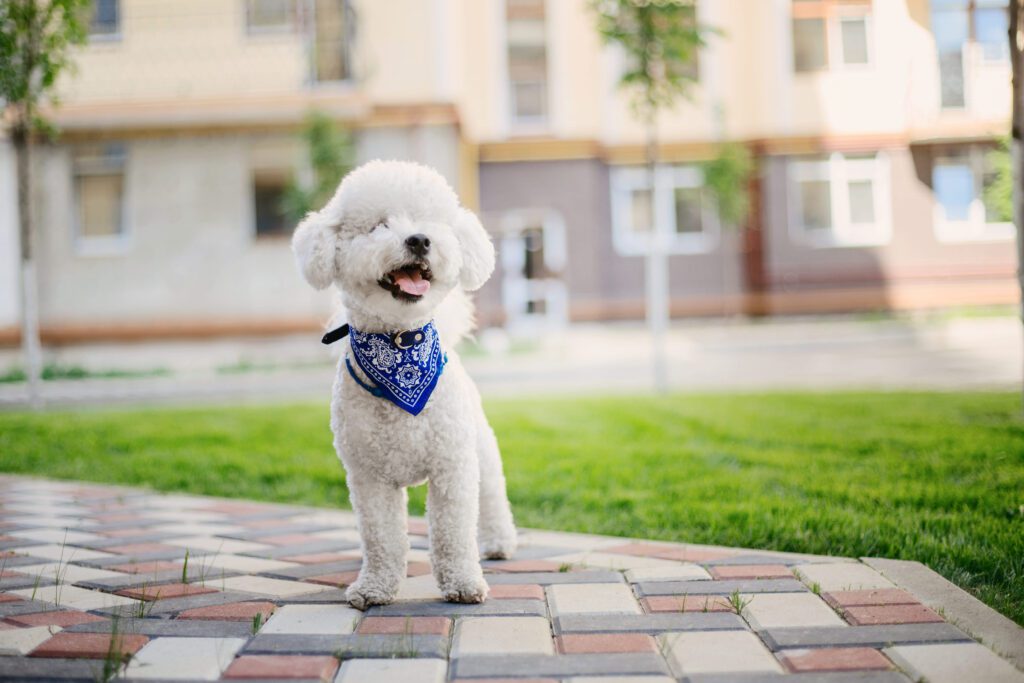
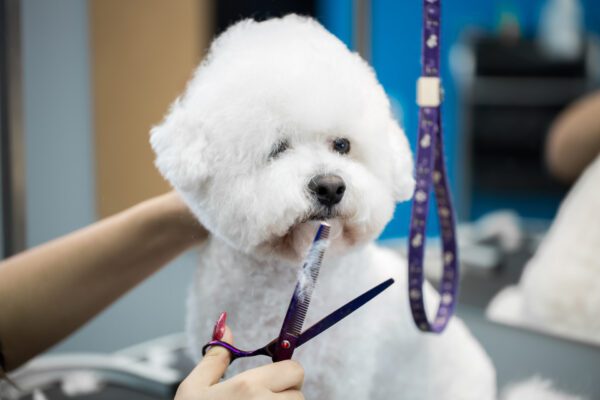
The Bichon Frise is a cheerful companion with a bright mind and a gentle, affectionate nature. This small dog thrives on human attention and often fits well in homes that want a friendly, low-shedding pet. The fluffy coat looks glamorous, yet the breed remains playful and eager to please. Careful research before you adopt ensures you understand grooming needs, daily exercise, and the social time a Bichon requires.
Adoption gives a dog a second chance and often includes vetted medical care. Choosing adoption also supports the lifesaving work of shelters and rescues. If you want to adopt a Bichon Frise in Maine, consider how the state’s climate and lifestyle will shape daily care. Maine’s winters are long and cold, and the coastal wind can bite. A Bichon has a soft coat that provides some insulation, but the breed still needs a warm jacket, short winter walks, and safe paw care on snow and ice. Maine’s mix of small towns, coastal neighborhoods, and rural roads suits the Bichon because the breed does well in apartments or quiet homes and enjoys short strolls on safe paths.
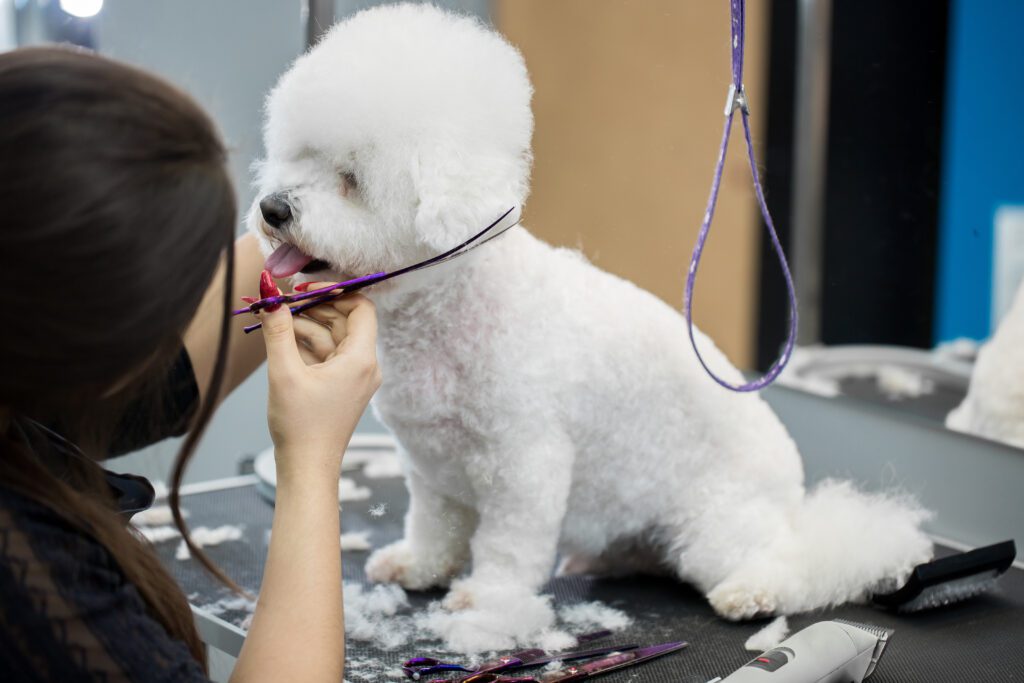
Outdoor fun is part of life in Maine, yet the Bichon’s short legs and sensitive skin call for moderate activity. Plan for brisk walks on clear days and interactive play indoors when weather turns harsh. Regular grooming keeps the coat clean after mud, rain, or salt exposure. With preparation and routine, a Bichon can thrive year-round in Maine.
You can avoid searching for rescues and shelters separately by using Dog Academy. Browse a single, updated list of adoptable dogs, learn about each dog’s history, and follow helpful adoption checklists and guides. Many listings include details on age, size, and personality, which helps you match a Bichon’s needs with your home and lifestyle.
Adoptable Bichon Frises in Maine are commonly found through local animal shelters, regional rescues, and breed-specific rescue groups. Start by browsing listings and saving dogs that fit your criteria for age, temperament, and grooming tolerance. Read each profile closely. Look for information on house-training progress, friendliness with children, and comfort with other pets. Understanding the breed’s needs before you apply ensures a smoother match and fewer surprises after adoption.
The application usually asks about your home, schedule, experience, and veterinary plans. Expect to share details on exercise routines, grooming budgets, and how you will manage alone time. After a successful application, many organizations set up a meet-and-greet. This step lets you observe behavior, ask questions about health or training, and confirm that the dog responds well to your family.
Some groups perform a home check. A home check confirms safe fencing, secure doors, and a clean space for rest and feeding. The check may happen in person or by video call. Approval timelines vary. Simple adoptions can finalize in 1 to 2 weeks, while dogs with medical or behavioral needs may require a longer process that includes additional counseling. If the right Bichon is outside your immediate area, rescues sometimes arrange transport to move dogs between locations. Transport is often coordinated by volunteers or partner groups that schedule safe travel to approved adopters.

|
How Much Does It Cost to Adopt a Bichon Frise in Maine?Expect most adoption fees for a Bichon Frise in Maine to fall between $350 and $650. Puppies and young adults often sit at the higher end due to demand and recent medical work. Seniors and dogs with special needs may cost less. Fees reflect services already completed, which commonly include spaying or neutering, vaccinations, microchipping, and veterinary exams. Costs also respond to local veterinary prices in New England, grooming needs, and any recent dental care or diagnostic testing completed before placement. Other factors can shift the fee. Dogs that arrive with recent training or professional grooming may cost more. High demand for small, low-shedding dogs can increase prices during peak seasons. Transport support can also affect final fees if the group has covered travel expenses to bring the dog to Maine. |
How Should I Train a Bichon Frise?The Bichon Frise is intelligent, people focused, and responsive to praise. Short sessions with treats and gentle guidance work best. The breed enjoys learning tricks and thrives when training feels like a game. Keep lessons brief and upbeat to maintain focus and prevent frustration. House-training can take time with a small dog in a cold climate. Outdoor trips need to be frequent, especially during the first weeks, and protected routes help when snow piles up. Many Bichons alert bark. Teach a quiet cue and reward calm moments. Prevent separation issues by building a routine that includes crate comfort, chew toys, and gradual alone-time practice. For step-by-step help, explore Dog Academy’s online training courses. Courses cover puppy foundations, house-training plans, crate skills, polite leash walking, and solutions for barking and anxiety. |
|
A Bichon Frise suits adopters who want a close companion, have time for daily brushing, and enjoy short, regular walks. The ideal home provides indoor play on stormy days and keeps a steady grooming and training routine. Families, retirees, and first-time owners often do well with this affectionate breed when they commit to structure and patience.
Prepare your home, gather supplies, and learn the breed’s care needs before you apply. Take your time, ask clear questions, and wait for the right match. When you are ready to adopt a Bichon Frise in Maine, use Dog Academy to compare dogs, follow checklists, and move through each step with confidence.

Introducing a new puppy to your current dog is often an exciting process, and many dogs will become fast friends and eas...
Read More
Rescue dogs can make great companions and can transform your home into something better. These dogs make great pets and ...
Read More
You should never rush to pet a dog. Even dog owners make the mistake of approaching unfamiliar dogs and petting them rig...
Read More
Puppy mill dogs are survivors who have endured extreme hardships in their lives. They have grown up in horrendous, unsan...
Read More
With their wagging tails and comforting presence, adopting a dog can add a unique touch to your life. It’s a heart...
Read More
Older dogs may have a few gray hairs around the edges, but that doesn’t mean they can’t make wonderful companions! T...
Read More