























































































































































































Introducing a new puppy to your current dog is often an exciting process, and many dogs will become fast friends and eas...
Read MoreAdopt Me

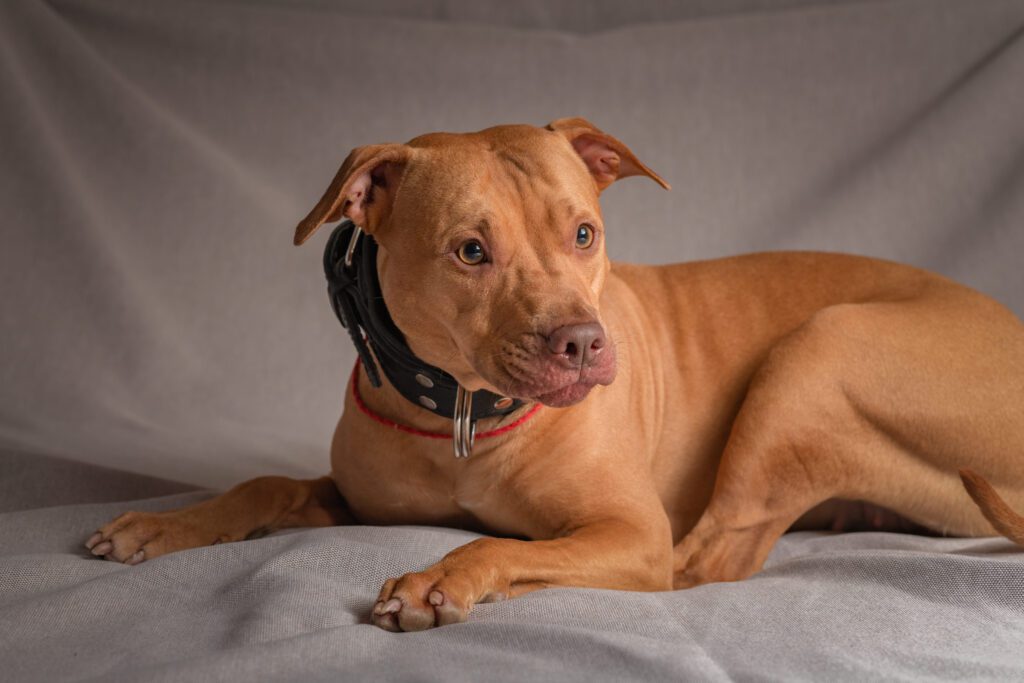
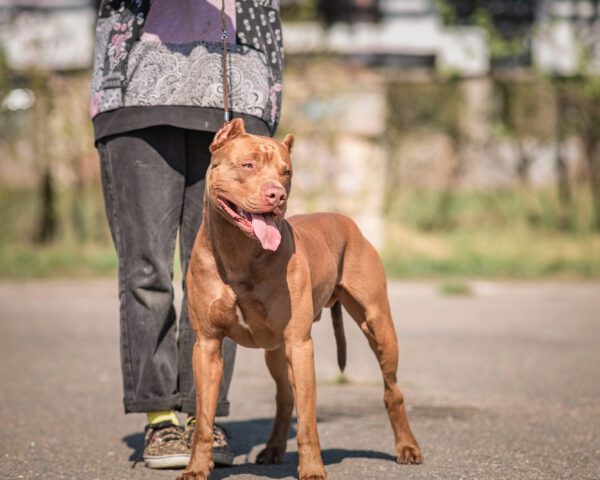
A Red Nose Pitbull is a devoted, athletic, and deeply people-oriented companion. The copper coat, amber eyes, and signature red nose create a striking look, but the real appeal is a loving temperament that thrives on time with family. These dogs enjoy play, structured exercise, and calm downtime on the couch, which makes them wonderful partners for active households that value daily routines.
Adoption requires careful research because this breed is strong, smart, and eager to please, yet sensitive to tone and handling. Thoughtful preparation helps you choose a dog whose energy level and social history match your lifestyle. Adopting is preferable to buying because it opens space for another dog in need, supports ethical animal welfare work, and typically includes essential veterinary care that keeps costs predictable early on.
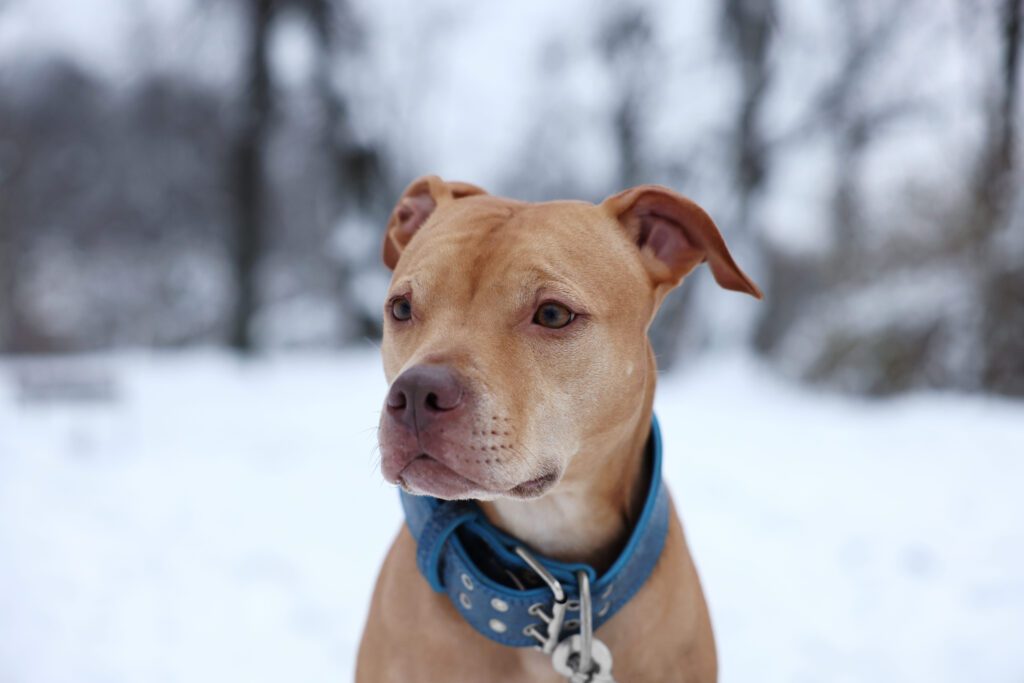
Maine can be an excellent home for a Red Nose Pitbull if you plan for climate and geography. Winters are cold and snowy, and this short-coated breed needs a warm jacket, paw protection, and shorter outdoor sessions when temperatures drop. Summers are mild and perfect for hiking, beach walks, and trail time, though you should watch for ticks in wooded areas and along tall grass. Urban living works well with daily walks and enrichment, while rural living calls for secure containment and reliable recall to manage wildlife and open space.
You can avoid searching shelters and rescues separately by browsing statewide listings through Dog Academy. The platform gathers adoptable dogs from local animal shelters, regional rescues, and breed-specific rescue groups in one place. Dog Academy also provides educational guides and adoption checklists that explain paperwork, home setup, and first-week routines, which helps you adopt with confidence.
The process starts by browsing listings and reading each dog’s bio carefully. Focus on age, size, energy level, dog or cat compatibility, and any training notes. When you find a match, you submit an application that typically requests personal details, proof of housing approval for pets, and references. Many groups ask for a virtual or in-person home check to confirm safe spaces, secure storage for food and cleaning products, and a plan for exercise and enrichment. This step helps align expectations and sets your new dog up for success.
Next comes a meet-and-greet. You will spend time with the dog and review behavior notes with an adoption counselor. If you have resident pets or children, an introduction is usually scheduled to ensure comfort and safety for everyone. Some groups also offer trial periods or foster-to-adopt options that let you confirm the match in your home before finalizing the adoption. Approval timelines vary by organization and by the dog, though most decisions in Maine take 3 to 14 days after a completed application and home check.
Transport is sometimes arranged by rescues to move dogs between locations when the best match lives farther away. Transport may be handled by volunteers or professional services that coordinate safe, climate-controlled travel and scheduled handoffs. You will receive clear pickup instructions and health records so you can arrive prepared with a leash, collar, ID tag, and crate.
|
How Much Does It Cost to Adopt a Red Nose Pitbull in Maine?Most adopters in Maine pay $200 to $450 to adopt a Red Nose Pitbull. Puppies usually fall between $300 and $450 because they require more preventive care, while many adult dogs range from $200 to $350. Fees reflect services already completed, which often include spaying or neutering, vaccinations, microchipping, and veterinary exams. Some groups also include heartworm testing and deworming in the fee. Costs vary with age, training, medical care, and demand. A dog with recent dental work or specialized treatment may sit at the higher end of the range. A dog with completed basic training or a known history of living in a home can also cost more because that support reduces your immediate training investment. Length of stay can affect pricing as well, since extended care increases shelter expenses. |
How Should I Train a Red Nose Pitbull?Red Nose Pitbulls are intelligent, food-motivated, and eager to work with their people. They learn quickly when you use clear markers, short sessions, and frequent rewards. Positive reinforcement builds trust and produces reliable behaviors such as sit, down, stay, and recall. Early socialization to people, dogs, surfaces, sounds, and handling reduces stress and helps your dog feel confident in new places. Common challenges include pulling on leash, jumping to greet, and mouthy play. You can prevent these habits by rewarding four paws on the floor, teaching loose-leash walking, and providing daily chew outlets that protect furniture and satisfy strong jaws. Crate training supports rest and safety, while impulse control games teach calm in exciting situations. If you want step-by-step help that fits a busy schedule, explore Dog Academy’s online training courses, which include foundation skills, leash manners, and enrichment plans designed for high-energy companion dogs. |
|
The ideal adopter is active, patient, and consistent. A Red Nose Pitbull does best with daily exercise, clear household rules, and kind training. A fenced yard can help, though a committed walking routine with mental enrichment works just as well. Winter gear and indoor activities keep this short-coated breed comfortable when temperatures drop.
Take your time, ask questions, and prepare your home before the first day. When you match energy levels, training plans, and lifestyle needs, you set the stage for a lifelong bond. Start your search, learn the process, and adopt a Red Nose Pitbull in Maine when you feel fully ready to welcome a new family member.

Introducing a new puppy to your current dog is often an exciting process, and many dogs will become fast friends and eas...
Read More
Rescue dogs can make great companions and can transform your home into something better. These dogs make great pets and ...
Read More
You should never rush to pet a dog. Even dog owners make the mistake of approaching unfamiliar dogs and petting them rig...
Read More
Puppy mill dogs are survivors who have endured extreme hardships in their lives. They have grown up in horrendous, unsan...
Read More
With their wagging tails and comforting presence, adopting a dog can add a unique touch to your life. It’s a heart...
Read More
Older dogs may have a few gray hairs around the edges, but that doesn’t mean they can’t make wonderful companions! T...
Read More