

























































































































































































Introducing a new puppy to your current dog is often an exciting process, and many dogs will become fast friends and eas...
Read MoreAdopt Me

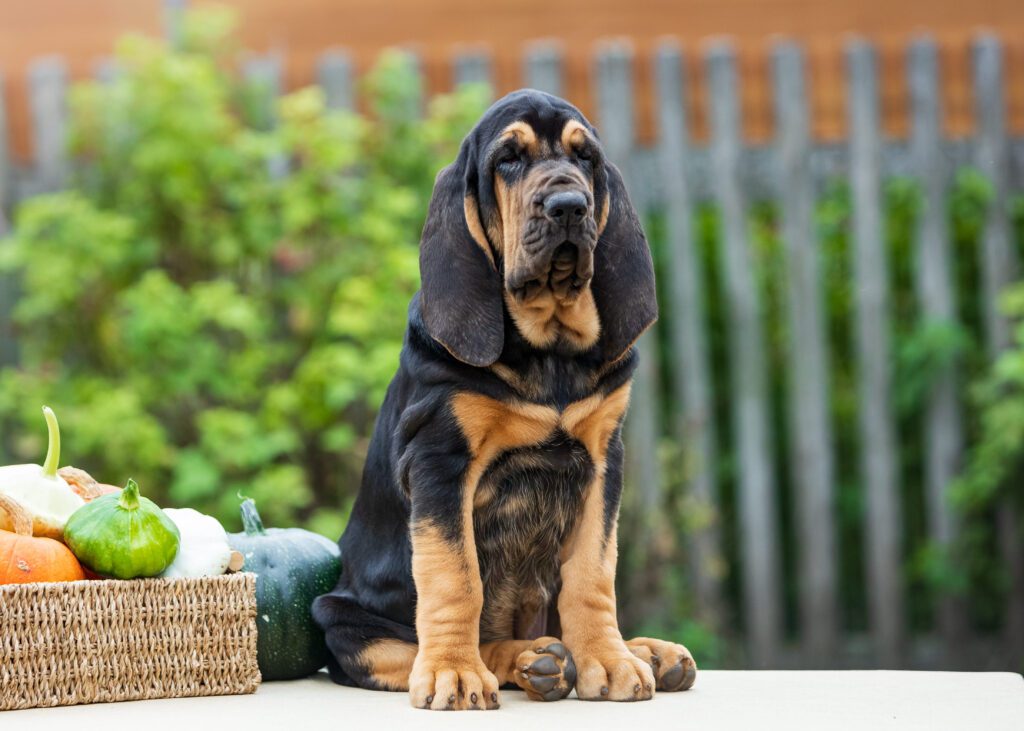

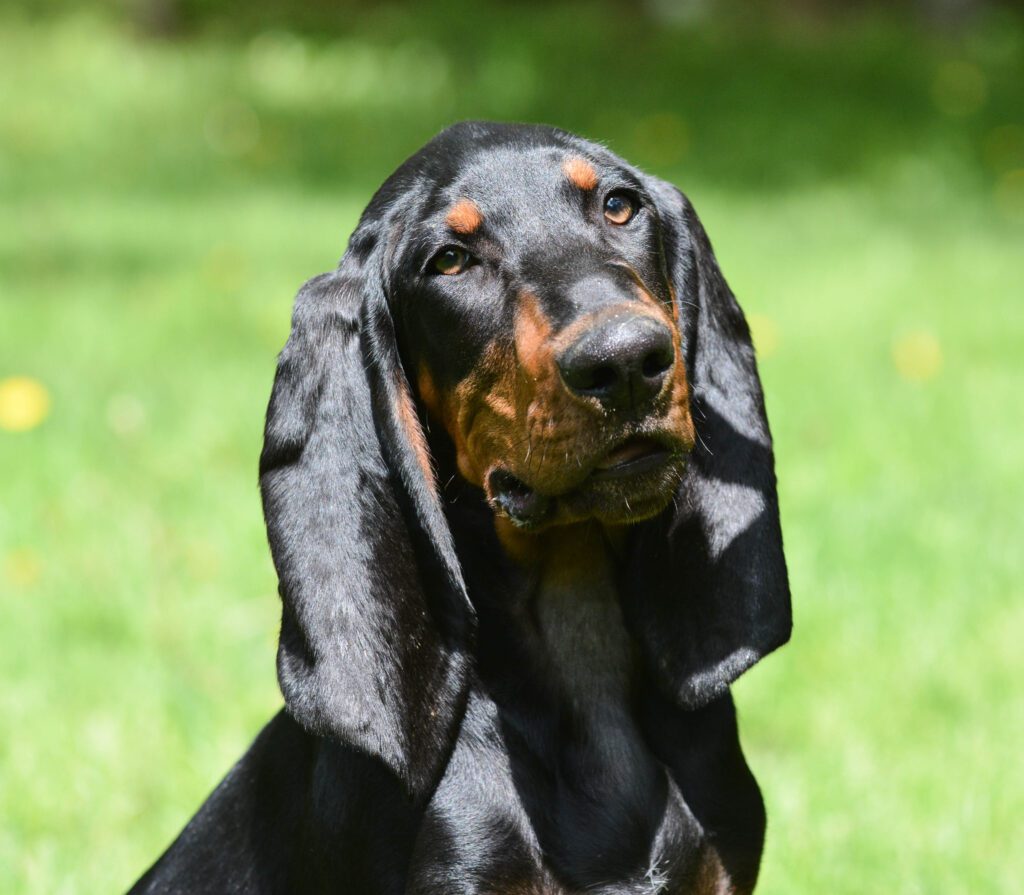
The Bloodhound is famous for a noble look, a world-class nose, and a gentle spirit. This breed loves people, stays loyal to family, and often shows a calm, affectionate nature at home. A Bloodhound also follows scent with single-minded focus, which creates both joy on the trail and training challenges in the yard. Thoughtful research helps every adopter understand exercise needs, grooming routines, and the management that a large scent hound requires.
Adoption helps save a life and supports responsible pet ownership. Many Bloodhounds enter shelters and rescues through owner surrenders or transfers, which means you can welcome a wonderful companion while reducing demand for commercial breeding.
Maine offers forested hikes, coastal breezes, and quiet rural roads that suit a scent hound’s love of tracking. The state’s cold winters require warm bedding, paw protection, and shorter outdoor sessions on icy days. Summers can feel humid, so shade, fresh water, and midday rest protect a heavy-coated dog. A secure fence is important in every season because a Bloodhound will follow scent across snowbanks, leaf litter, and rocky shoreline with impressive determination.
You can avoid searching shelters and rescues one by one by starting with Dog Academy. You can browse adoptable Bloodhounds, read educational guides, and use clear adoption checklists that prepare your home. You can also check local animal shelters, regional rescues, breed-specific rescue groups, and foster networks across New England. Many groups list dogs online and host adoption events where you can meet dogs in person.
The process usually begins with browsing listings and submitting an application that describes your home, schedule, fencing, and experience with large breeds. Most groups ask for a veterinary reference and landlord approval when you rent. After an initial review, an adoption counselor schedules a phone interview to discuss training plans, exercise routines, and your expectations for a scent-driven dog.
Next, you attend a meet-and-greet to confirm fit. You can bring resident dogs for a slow introduction, and you can practice calm handling and loose-leash walking. Some groups conduct a home check, which can be in person or virtual. A home check verifies safe fencing, secure trash storage, and a plan for indoor resting spaces. Approval timelines vary by group, but many decisions arrive within 1 to 3 weeks after your application, and some adoptions move faster when your references respond quickly.
Bloodhounds sometimes arrive in Maine from other regions. Transport is often arranged by rescues to move dogs between states using volunteer drivers or licensed carriers, and dogs generally travel with health certificates and vaccination records. Some groups offer foster-to-adopt options that allow you to confirm fit before finalizing paperwork.

|
How Much Does It Cost to Adopt a Bloodhound in Maine?Most adopters in Maine pay $250 to $600 to adopt a Bloodhound. Adult dogs often fall between $300 and $500, seniors can be $150 to $300 when reduced fees are offered, and puppies can reach $400 to $700 due to preventive care and high demand. Fees vary with age, training, recent medical care, and how quickly a dog is expected to find a home. Adoption fees usually include spaying or neutering, vaccinations, microchipping, and veterinary exams. Some groups also include deworming, flea and tick prevention, and a starter bag of food. A dog that receives dental cleanings, treatment for ear infections, or orthopedic evaluations may carry a higher fee that reflects the cost of care already provided. |
How Should I Train a Bloodhound?Bloodhounds are intelligent and sensitive, and they work best when training feels positive and consistent. This breed locks onto scent easily, which means recall, loose-leash walking, and door manners need early attention. Use short sessions with high-value food, mark correct choices, and reward generously when your dog returns to you or checks in during walks. Harsh corrections often damage trust and do not improve reliability for scent-driven behaviors. Focus on name recognition, recall games on a long line, impulse control around doors, and calm settling in the house. Leash skills matter because a strong adult can pull with real power. Enrichment such as scent games, puzzle feeders, and structured tracking keeps the mind engaged. Ear care and handling practice help prevent stress during grooming and veterinary visits. For step-by-step guidance, enroll in Dog Academy’s online training courses, which cover foundation skills, loose-leash walking, reliable recall, crate training, and polite greetings tailored for real homes. |
|
The ideal adopter enjoys active walks, slow sniffing sessions, and patient training. A secure yard, time for daily exercise, and a plan for drool and ear care keep life smooth. Families with kids can thrive when adults supervise interactions and teach calm behavior on both sides. Apartment living can work when you commit to outdoor time, elevator manners, and considerate management of the Bloodhound’s bay.
Preparation brings success. Set a realistic budget, gather supplies, and read about breed needs before you apply. Take your time, ask thoughtful questions, and meet more than one dog if needed. When you feel ready, start with Dog Academy to explore adoptable Bloodhounds in Maine and to use helpful checklists that make day one feel confident and calm.

Introducing a new puppy to your current dog is often an exciting process, and many dogs will become fast friends and eas...
Read More
Rescue dogs can make great companions and can transform your home into something better. These dogs make great pets and ...
Read More
You should never rush to pet a dog. Even dog owners make the mistake of approaching unfamiliar dogs and petting them rig...
Read More
Puppy mill dogs are survivors who have endured extreme hardships in their lives. They have grown up in horrendous, unsan...
Read More
With their wagging tails and comforting presence, adopting a dog can add a unique touch to your life. It’s a heart...
Read More
Older dogs may have a few gray hairs around the edges, but that doesn’t mean they can’t make wonderful companions! T...
Read More