


























































































































































































Introducing a new puppy to your current dog is often an exciting process, and many dogs will become fast friends and eas...
Read MoreAdopt Me

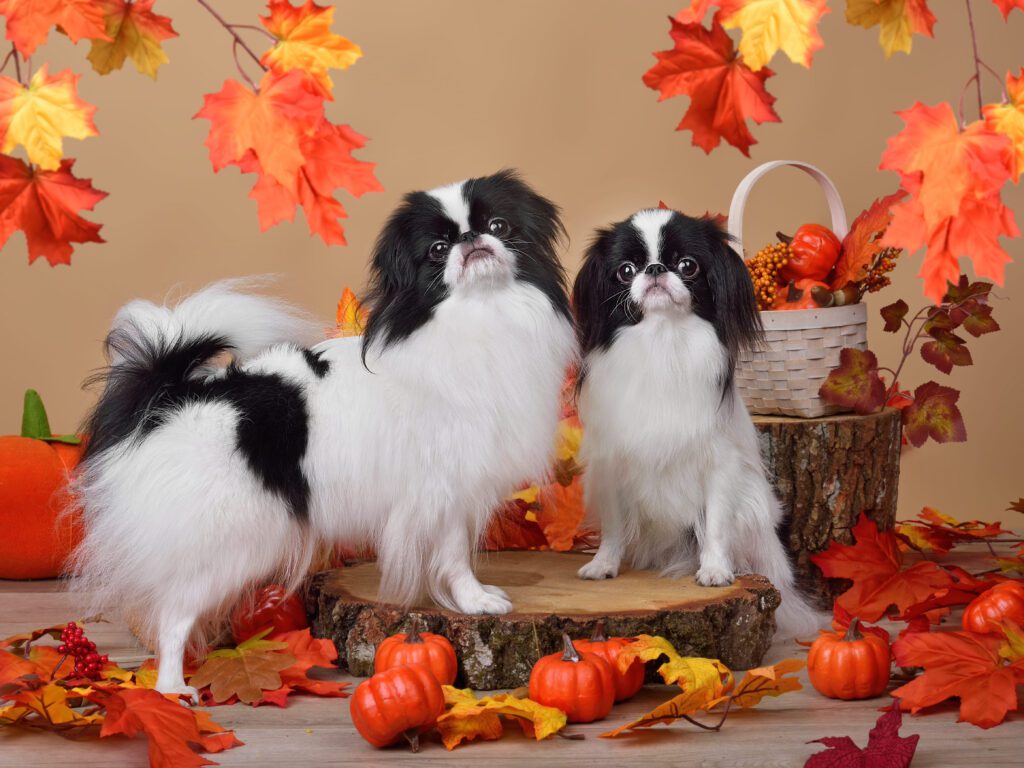
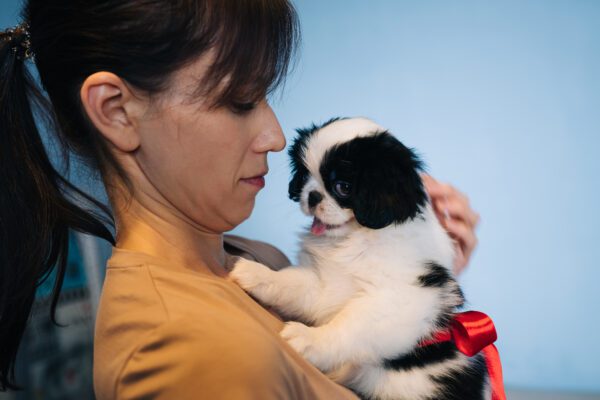
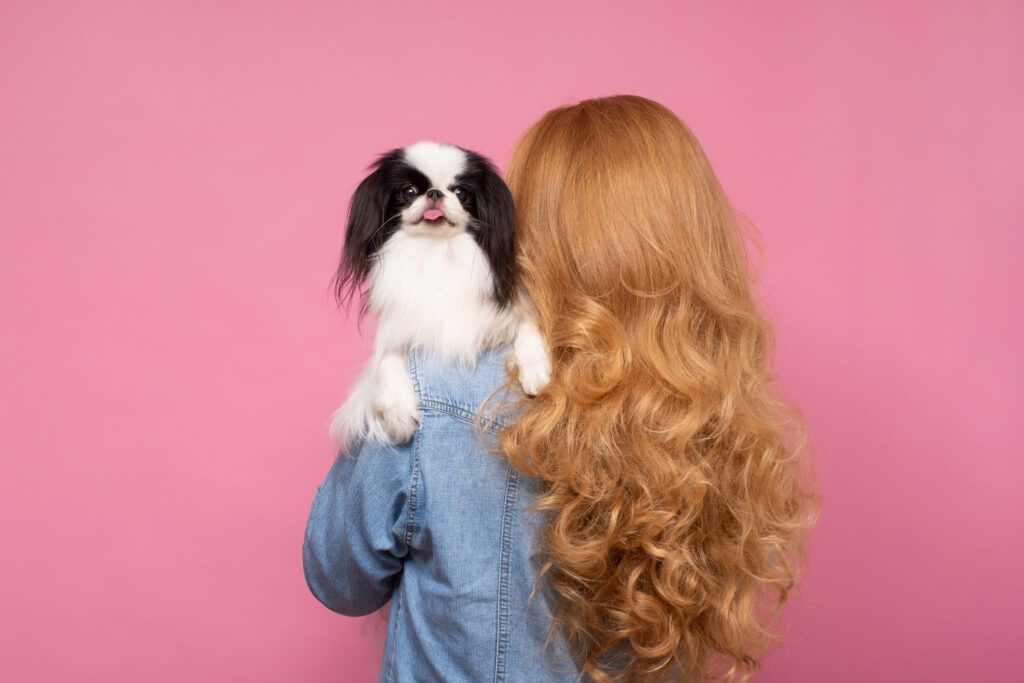
The Japanese Chin is a gentle, people-focused companion that thrives on close bonds and quiet routines. This toy breed is affectionate, graceful, and alert without being overly vocal. A Japanese Chin suits apartments and small homes because daily needs center on indoor play, short walks, and lots of lap time. The silky coat needs regular brushing, yet grooming is manageable when kept on a schedule.
Thoughtful research matters before any adoption. Understanding temperament, grooming needs, and daily care helps you choose with confidence. Adoption gives a dog a fresh start and often includes important veterinary care before placement. Adopting also reduces demand for commercial breeding and supports responsible practices that put canine well-being first.
Maine offers a peaceful setting for a Japanese Chin, yet the climate requires planning. Winters are cold and icy, so this small breed benefits from a warm jacket, paw protection, and short outdoor trips. Summers can turn humid, which can challenge a short muzzle, so walks should stay brief and shaded. Coastal winds and rural wildlife make supervised outings essential. A Japanese Chin does best as an indoor companion who enjoys safe play, calm neighborhoods, and cozy spots by the window.
You can avoid searching rescues and shelters one by one by using Dog Academy to browse adoption listings in one place. You can also use Dog Academy to access educational guides, adoption checklists, and readiness tips that keep the process clear from the first click to the ride home.
Prospective adopters in Maine usually start with local animal shelters, regional rescues, and breed-specific rescue groups that focus on toy companions. Listings often show age, size, medical notes, and personality details that help you decide which dogs fit your lifestyle. Read each profile carefully and match activity level, grooming needs, and social preferences with your home environment.
The process typically begins with browsing listings and submitting an application. Applications often request household details, landlord permission if you rent, veterinary references, and information about your schedule. Many organizations schedule meet-and-greets to observe chemistry with family members and resident pets. Home checks, which may be virtual or in person, confirm that the space is safe for a small breed that can slip through gaps or be at risk on stairs or decks. Approval timelines vary by group and by how quickly references return, with decisions often arriving within 3 to 14 days.
If the right dog is not currently in Maine, regional rescues may arrange transport to move dogs between locations when it increases adoption chances. Transport is often organized through coordinated volunteer drivers or licensed carriers that follow safety protocols. Groups usually provide specific pickup instructions, veterinary paperwork, and a clear arrival schedule so you can prepare your home before the dog steps through the door.
|
How Much Does It Cost to Adopt a Japanese Chin in Maine?Most adopters in Maine can expect to pay $350 to $650 for a Japanese Chin, with puppies or recently transported dogs sometimes reaching $700 to cover added care. Fees reflect age, demand for small companion breeds in New England, prior training, and any medical treatment completed before placement. Costs may increase when a dog receives dental work or specialized care for conditions seen in small breeds. Reputable organizations typically include spaying or neutering, vaccinations, microchipping, and veterinary exams in the fee. Some groups also include deworming, heartworm testing, and a starter supply of preventives. These services add real value and help you begin with a healthy, well-prepared companion. |
How Should I Train a Japanese Chin?The Japanese Chin is bright, sensitive, and eager to please when training stays gentle and consistent. Short sessions, soft voices, and high-value treats deliver the best results. Positive reinforcement builds trust and keeps a thoughtful dog engaged. Many Chins excel at polite greetings, tricks, and loose-leash walking when sessions are kept fun and predictable. House training can take extra patience because a small bladder means frequent breaks. Crate training, a steady schedule, and quick trips outside set clear expectations. Early socialization matters because a reserved dog may hesitate with strangers or loud environments. Calm exposure to different people, surfaces, and sounds builds confidence and reduces anxiety. For structured guidance at home, explore Dog Academy’s online training courses, which cover puppy foundations, house training, separation prevention, and confidence-building games tailored for small companions. |
|
A Japanese Chin fits best with adopters who value a calm home, steady routines, and close companionship. Families with gentle children, retirees, and work-from-home adults often enjoy this breed’s affectionate nature and moderate activity needs. Preparation matters, which means puppy-proofing small gaps, planning indoor enrichment for winter, and setting a reliable bathroom schedule.
Take time to research, ask thoughtful questions, and meet dogs with an open mind. When you move at a measured pace and choose a dog whose needs match your lifestyle, you set the stage for a happy life together in Maine.

Introducing a new puppy to your current dog is often an exciting process, and many dogs will become fast friends and eas...
Read More
Rescue dogs can make great companions and can transform your home into something better. These dogs make great pets and ...
Read More
You should never rush to pet a dog. Even dog owners make the mistake of approaching unfamiliar dogs and petting them rig...
Read More
Puppy mill dogs are survivors who have endured extreme hardships in their lives. They have grown up in horrendous, unsan...
Read More
With their wagging tails and comforting presence, adopting a dog can add a unique touch to your life. It’s a heart...
Read More
Older dogs may have a few gray hairs around the edges, but that doesn’t mean they can’t make wonderful companions! T...
Read More