



























































































































































































Introducing a new puppy to your current dog is often an exciting process, and many dogs will become fast friends and eas...
Read MoreAdopt Me

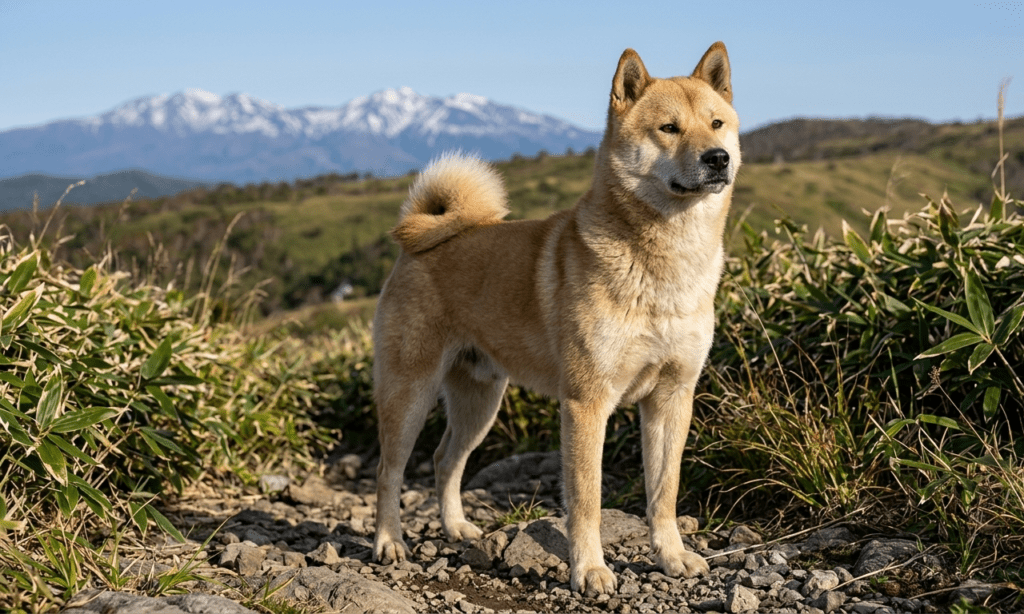
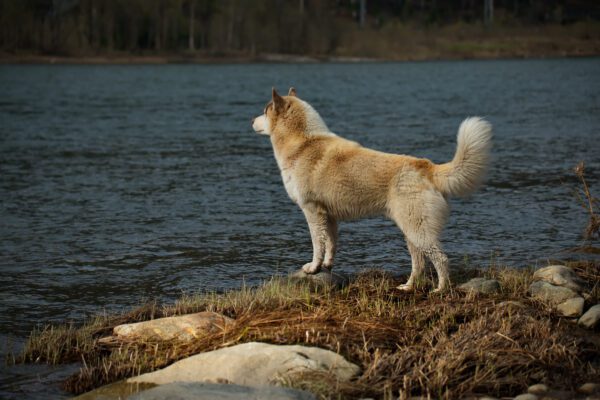
The Hokkaido is an agile, loyal, and confident spitz-type dog that bonds deeply with family and stays alert in new situations. The breed is intelligent and brave, and the Hokkaido thrives with clear guidance and regular work. Careful research helps every adopter understand exercise needs, grooming demands, and socialization goals before bringing a Hokkaido home.
Adoption gives a deserving dog a second chance and supports ethical rescue efforts. Buying can push demand in the wrong direction, while adoption focuses on welfare and fit. Maine offers a natural home for this northern breed. The cold climate pairs well with a thick double coat, and the state’s forests, coastline, and trails invite daily activity. Rural areas require strong recall and secure fencing because wildlife can trigger prey drive. City living in Maine can work when daily exercise, enrichment, and clear training remain consistent. Heavy shedding happens seasonally, and regular brushing keeps the coat healthy.
You can avoid searching shelters and rescues separately by starting with Dog Academy. Dog Academy centralizes adoptable dogs in one place, and Dog Academy also shares educational guides and adoption checklists that help you prepare with confidence. You can also check local animal shelters, regional rescues, and breed-specific rescue groups, since this rare breed may appear in or near Maine. If you do not see a Hokkaido nearby, some rescues arrange transport to move dogs between locations, and transport usually relies on volunteer drivers or trusted partners who schedule safe handoffs.
Begin by browsing listings and reading each biography in full. Confirm temperament notes, size, energy level, medical history, and the home setting that the dog currently knows. When a Hokkaido seems like a match, submit an application that includes personal references, veterinarian information, and proof of housing rules such as landlord approval or community pet policies. Clear documentation helps teams verify that a Hokkaido’s needs will be met in your home.
After the application review, many organizations schedule a meet and greet at a shelter or foster home. Plan for every household member to attend, including resident dogs, so the group dynamic can be evaluated. A home check often follows, which can happen virtually or in person. Home checks confirm that fences are secure, outdoor areas are safe, and indoor spaces prevent escape or injury during the adjustment period.
Approval timelines vary by case. If your documents are complete and your availability is flexible, the process often takes 3 to 14 days. Medical care, transport coordination, or scheduling conflicts can extend that timeline. Some groups offer trial adoption periods to confirm the fit, and clear communication during this phase helps the Hokkaido settle smoothly.
|
How Much Does It Cost to Adopt a Hokkaido in Maine?Most adopters in Maine can expect to pay $250 to $500 for an adult Hokkaido and $350 to $650 for a puppy. This narrow estimate reflects a rare breed entering rescue, the typical costs of care in New England, and the goal of covering expenses rather than making a profit. Adoption fees usually include spaying or neutering, vaccinations, microchipping, and veterinary exams, and these services protect your new dog and reduce future costs. Age, training, medical care, and demand can raise or lower the fee. Puppies and highly social, well-mannered adults often cost more because demand is stronger. Dogs that arrive with recent surgeries, dental work, or allergy management may carry higher fees that offset medical bills. Location, transport, and length of stay in foster care can also influence the final amount. |
How Should I Train a Hokkaido?The Hokkaido is smart, observant, and naturally independent. The breed learns quickly when training is clear, consistent, and rewarding. Use positive reinforcement and pay generously for the behaviors you want to see. Keep sessions short and upbeat. A clicker or a consistent verbal marker helps the Hokkaido understand exactly which behavior earned the reward. Early socialization matters because many Hokkaidos feel cautious with strangers, and calm exposure to new people, sounds, and surfaces builds confidence. Common challenges include alert barking, pulling on leash, and a strong prey drive. Teach a rock solid recall with a long line in open fields, and then practice in more distracting areas once your dog is ready. Reinforce loose-leash skills with frequent rewards for a slack leash. Provide daily mental work through scent games, food puzzles, and structured obedience. If you want step-by-step guidance, enroll in Dog Academy’s online training courses, which cover foundation skills, impulse control, and advanced challenges tailored to active breeds. |
|
The ideal Hokkaido adopter enjoys daily exercise, values routine, and invests time in training and socialization. A secure yard helps manage prey drive, and regular grooming keeps the thick coat healthy. Families who love hiking Maine’s trails or walking the coastline will give this athletic dog the outlets it needs.
Preparation leads to success. Set up your home, gather supplies, and review training plans before your dog arrives. Take the time to meet several candidates and ask thoughtful questions. Start your search with Dog Academy, learn all you can, and move at a pace that ensures the best match for you and for the Hokkaido you welcome home.

Introducing a new puppy to your current dog is often an exciting process, and many dogs will become fast friends and eas...
Read More
Rescue dogs can make great companions and can transform your home into something better. These dogs make great pets and ...
Read More
You should never rush to pet a dog. Even dog owners make the mistake of approaching unfamiliar dogs and petting them rig...
Read More
Puppy mill dogs are survivors who have endured extreme hardships in their lives. They have grown up in horrendous, unsan...
Read More
With their wagging tails and comforting presence, adopting a dog can add a unique touch to your life. It’s a heart...
Read More
Older dogs may have a few gray hairs around the edges, but that doesn’t mean they can’t make wonderful companions! T...
Read More